

Which Shipping Lines Require a Large Seat Twistlock for Containers
2026-09-21
Container securing is one of the most safety-critical aspects of maritime transport, and the Large Seat Twistlock plays a central role in keeping heavy containers locked firmly to a vessel's deck. As a leading manufacturer in the container lashing industry, ChuanGang supplies Large Seat Twistlock solutions to shipping lines, terminals, and equipment distributors worldwide. Understanding which carriers mandate this specific hardware helps suppliers, shipowners, and procurement teams make informed decisions. This guide examines the operational requirements of major shipping lines and explains why the Large Seat Twistlock has become a preferred securing component for heavy-lift and high-stack container operations.
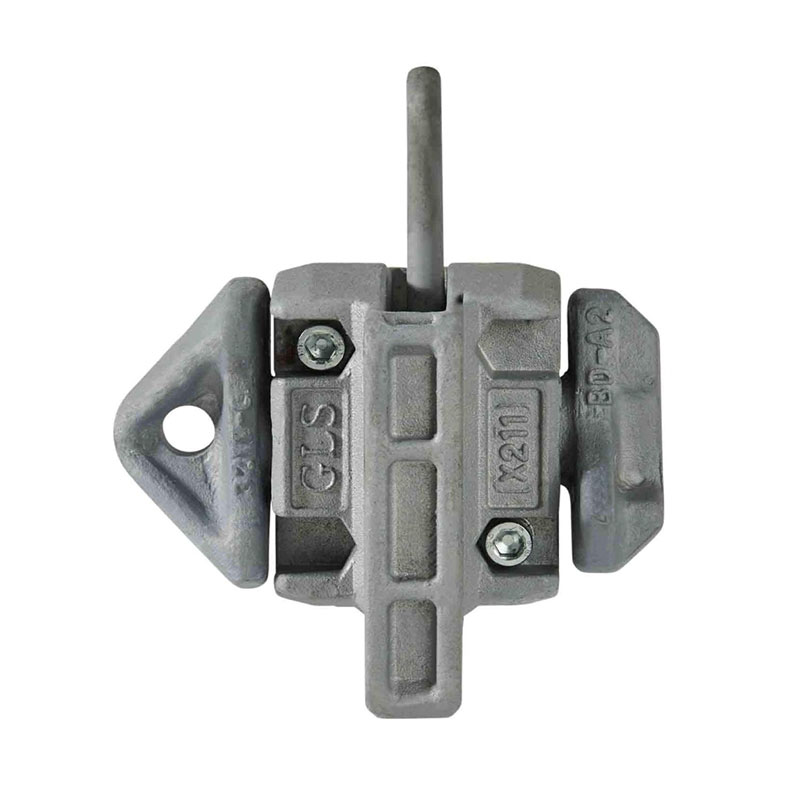
Why Shipping Lines Specify the Large Seat Twistlock
Not every twistlock is designed for the same load profile. The Large Seat Twistlock features an enlarged seat surface and reinforced body, which distributes force more evenly across the container corner casting. This reduces stress concentration during rolling, pitching, and heavy stacking conditions.
Key technical advantages include:
-
Higher vertical and shear load capacity than standard twistlocks
-
Improved fatigue resistance for long-haul ocean voyages
-
Better compatibility with heavy 40-foot and high-cube containers
-
Reduced wear on corner castings and deck sockets
Because of these characteristics, many shipping lines include the Large Seat Twistlock in their approved equipment lists, particularly for vessels operating in rough-sea routes.
Shipping Lines and Their Securing Requirements
The table below summarizes how different categories of carriers approach Large Seat Twistlock requirements. Note that exact specifications vary by vessel class, route, and charter contract.
| Shipping Line Category | Typical Requirement Level | Common Use Case | Large Seat Twistlock Preference |
|---|---|---|---|
| Global mega-carriers | High | High-stack deck stowage | Frequently specified |
| Regional feeder operators | Medium | Short-sea, lower stacks | Sometimes specified |
| Heavy-lift and project carriers | Very High | Oversized and heavy cargo | Strongly preferred |
| Bulk and multi-purpose lines | Medium to High | Mixed cargo decks | Case-by-case |
| Charter vessel operators | Varies | Route-dependent | Based on charterer's manual |
Major global carriers such as Maersk, MSC, CMA CGM, COSCO, and Hapag-Lloyd maintain detailed cargo securing manuals. These manuals often reference twistlock types by load rating rather than brand, and the Large Seat Twistlock is commonly listed for applications requiring higher holding strength.
Factors That Determine Whether a Line Requires It
Shipping lines do not adopt the Large Seat Twistlock arbitrarily. Several operational factors drive the decision:
-
Stack weight and height – Heavier stacks generate greater tipping and lifting forces.
-
Route sea state – North Atlantic and Southern Ocean routes demand stronger securing.
-
Vessel design – Deck socket geometry and lashing bridge configuration matter.
-
Regulatory compliance – Classification society rules influence equipment approval.
-
Cargo type – Project cargo and heavy containers often require upgraded lashing.
ChuanGang works closely with shipowners to match the correct Large Seat Twistlock specification to each vessel's securing plan, ensuring compliance and operational safety.
Large Seat Twistlock FAQ
Q1: What is a Large Seat Twistlock used for?
A: A Large Seat Twistlock is used to secure containers to a ship's deck or to other containers by locking into the corner castings, and its enlarged seat design provides greater load distribution and holding strength than a standard twistlock, making it suitable for heavy containers, high stacks, and rough-sea routes.
Q2: How do I know if my vessel needs a Large Seat Twistlock?
A: You can determine this by reviewing the vessel's cargo securing manual, checking the maximum stack weight and height, consulting the classification society requirements, and confirming the deck socket dimensions, because if the stacking load or route conditions exceed standard twistlock limits, a Large Seat Twistlock is typically required.
Q3: Is the Large Seat Twistlock compatible with all container corner castings?
A: Yes, a properly manufactured Large Seat Twistlock is designed to fit standard ISO container corner castings, but you must verify the locking cone dimensions, load rating, and surface treatment, and confirm that the twistlock matches the deck socket and container casting tolerances before installation.
Selecting the Right Supplier
Choosing a reliable manufacturer is as important as choosing the right hardware. ChuanGang provides Large Seat Twistlock products that undergo strict dimensional inspection, load testing, and material verification. Each unit is designed to meet international securing standards and to perform reliably in demanding marine environments.
When evaluating suppliers, consider:
-
Certified load test reports
-
Material traceability
-
Corrosion protection and surface finishing
-
Production capacity and delivery reliability
-
After-sales technical support
These factors directly affect fleet safety and long-term operating costs.
Conclusion
Understanding which shipping lines require the Large Seat Twistlock helps shipowners, terminal operators, and procurement teams specify the correct securing equipment from the start. While requirements differ by carrier, vessel, and route, the Large Seat Twistlock remains a preferred choice for heavy-duty and high-stack container operations. For professional guidance, product specifications, or bulk orders, contact us today and let ChuanGang support your container securing needs with dependable, standards-compliant solutions.