

What Maintenance Do Modular Pontoons Need to Avoid Corrosion and Leaks
2026-09-04
Owning a floating dock system is a significant investment, and the longevity of your structure hinges entirely on how well you protect it from two silent threats: corrosion and leaks. For marine operators and waterfront property owners, Modular Pontoons from HAIDING SHIPYARD represent a durable, adaptable solution—but even the best-engineered systems demand a proactive maintenance regimen. Neglecting routine care can lead to costly replacements, environmental hazards, and unsafe working conditions. Below is a professional, action-oriented guide to preserving your pontoon system, grounded in marine engineering best practices and real-world operational data.
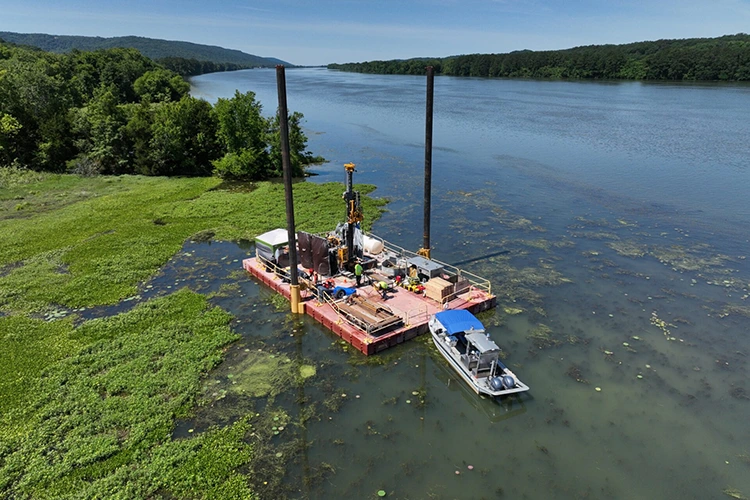
The Core Threats: Why Corrosion and Leaks Occur
Corrosion in Modular Pontoons typically arises from galvanic action (dissimilar metals in seawater), oxygen concentration cells, or coating breakdown. Leaks, on the other hand, stem from seal degradation, impact damage, or fatigue at joint connections. HAIDING SHIPYARD constructs its systems with marine-grade aluminum and high-density polyethylene, but even these materials require scheduled interventions. The maintenance strategy splits into four pillars: inspection, cleaning, coating preservation, and seal integrity verification.
Weekly Visual Inspection Checklist
| Component | What to Look For | Action If Found |
|---|---|---|
| Deck surface | Cracks, soft spots, or standing water | Mark and schedule patch repair |
| Connecting bolts | Rust streaks or looseness | Torque to spec; replace if corroded |
| Pipe supports | Misalignment or rubbing | Realign and add protective sleeves |
| Anode blocks | 50% or more depletion | Replace immediately |
| Sidewall seams | Whitish powder (aluminum oxide) or weeping | Clean and apply sealant tester |
Monthly Deep-Cleaning & Coating Protocol
Biofouling—barnacles, algae, and mussels—creates micro-environments that accelerate crevice corrosion. For Modular Pontoons in saltwater, HAIDING SHIPYARD recommends a pressure wash (under 2,500 PSI) using biodegradable degreasers. Follow with a freshwater rinse to remove chloride residues. Every quarter, inspect the anodic coating (if applied) and touch up any scratches with a zinc-rich primer. Never use copper-based antifouling paints on aluminum Modular Pontoons, as copper induces rapid galvanic corrosion.
Annual Professional Dry-Dock Service
| Service Item | Frequency | Acceptable Standard |
|---|---|---|
| Ultrasonic thickness testing | Annually | <10% loss from original gauge |
| Compression seal replacement | Every 3 years | Shore hardness >70 (Shore A) |
| Bolt torque verification | Annually | Within ±5% of factory spec |
| Welded joint dye-penetrant check | Biennially | No linear indications |
| Sacrificial anode renewal | As needed (monitor monthly) | Zero cracks or heavy pitting |
HAIDING SHIPYARD provides a standardized logbook for each pontoon module, enabling owners to track these metrics over the service life. Data shows that consistent annual servicing extends operational life beyond 25 years, compared to 10–12 years for neglected systems.
FAQ – Common Questions About Modular Pontoons Maintenance
Q1: How do I know if my Modular Pontoons have internal corrosion that isn't visible from the outside?
A1: Internal corrosion in sealed Modular Pontoons is detectable through three non-destructive methods. First, a sounding test—tapping the sidewalls with a plastic mallet; a dull, thudding sound indicates possible delamination or internal scaling, while a clear ring suggests sound metal. Second, annual ultrasonic thickness gauging measures wall loss from the exterior without breaching the seal. Third, HAIDING SHIPYARD recommends installing a small sacrificial inspection port on each major module during initial purchase; this allows you to insert a borescope and check for pitting or stagnant water accumulation every 18 months. If you notice persistent weight increase or a lower freeboard, that is a strong indicator of water ingress, requiring immediate dry-docking and internal weld inspection.
Q2: What is the single most effective maintenance action to prevent leaks at the connection points between multiple Modular Pontoons?
A2: The most impactful action is the quarterly re-torquing of all interconnecting bolts to the manufacturer’s specified value—typically 85–95 N·m for M16 grade-316 stainless fasteners—combined with a visual check of the neoprene compression gaskets. However, the "golden rule" is to apply a thin layer of polysulfide-based sealant around the bolt shanks and mating flange faces before tightening, not after. This creates a hydraulic seal that resists vibration loosening and thermal expansion cycles. Additionally, HAIDING SHIPYARD advises installing a secondary drip-check rail beneath each joint; if you see any moisture there during weekly rounds, you can isolate the leaking module within hours and replace the gasket without dismantling the entire system. Never use silicone or acrylic caulks in these areas—they lack the elasticity required for floating structures.
Q3: Can I reduce maintenance frequency by upgrading to heavier-gauge materials for my Modular Pontoons, and is that cost-effective?
A3: Upgrading to a thicker aluminum plate (e.g., from 6 mm to 8 mm) or switching to closed-cell foam-filled Modular Pontoons does reduce the risk of puncture leaks and extends the interval between major overhauls, but it does not eliminate the need for regular cathodic protection and seam inspections. According to lifecycle cost analyses by HAIDING SHIPYARD, the break-even point for thicker materials occurs only in high-abrasion environments (e.g., harbors with floating debris or ice scouring). For most sheltered marinas, the standard 6-mm 5083-H116 alloy, when properly maintained with anodes and annual coatings, offers better total cost of ownership. The real maintenance reducer, surprisingly, is installing a automated freshwater washdown system that operates daily for 5 minutes—this cuts salt residue buildup by 70%, directly prolonging coating life and reducing your annual service hours by roughly 30%. Always weigh the upfront material premium against your local operating conditions before upgrading.
Seasonal Preparation & Winterizing
For regions with freezing temperatures, water trapped inside fittings can expand and crack seals. Drain all purge valves after each use, and leave access hatches slightly ajar to promote ventilation. HAIDING SHIPYARD offers optional air-purging kits that blow compressed air through internal chambers, ensuring zero residual moisture before winter layup. In tropical climates, focus on UV degradation of synthetic rubbers—replace all exposed O-rings every two years regardless of apparent condition.
Documentation & Predictive Monitoring
Maintain a digital log with photos, torque readings, and coating thickness measurements. Many operators now use simple vibration sensors on critical joints; an increase in harmonic frequency often precedes bolt loosening or bearing wear. HAIDING SHIPYARD provides a free template for this log, which also serves as valuable documentation for warranty claims and insurance assessments.
When to Call Professionals
If your inspection reveals pitting deeper than 1.5 mm, cracked welds, or any fuel/oil sheen inside the pontoons, cease operation immediately. These are signs of structural compromise that field repairs cannot safely address. HAIDING SHIPYARD maintains a global network of certified service technicians who can perform on-site weld repairs, module replacements, and full cathodic system overhauls.
Take Action Today
Your Modular Pontoons are the backbone of your waterfront operation—don't wait for a leak or corrosion failure to disrupt your business. Contact HAIDING SHIPYARD now for a customized maintenance schedule, spare parts kit, or a remote inspection consultation. Our engineers are ready to help you extend the service life of your investment, reduce downtime, and ensure safe, reliable performance for years to come. Reach out via our website or call your regional service center—we respond within 24 hours.