

What Is the Weight Capacity of a Standard Marine Ladder
2026-06-15
When selecting boarding equipment for a vessel, one of the most critical safety questions is: What is the weight capacity of a standard Marine Ladder? The answer varies by design, material, and intended use. At LIG MARINE GROUP, we define a standard Marine Ladder as one constructed from marine-grade aluminum or stainless steel, typically rated between 250 lbs (113 kg) and 400 lbs (181 kg) for single-person use. However, commercial and heavy-duty models can support over 600 lbs. Understanding this rating is essential to prevent accidents, equipment failure, and injuries.
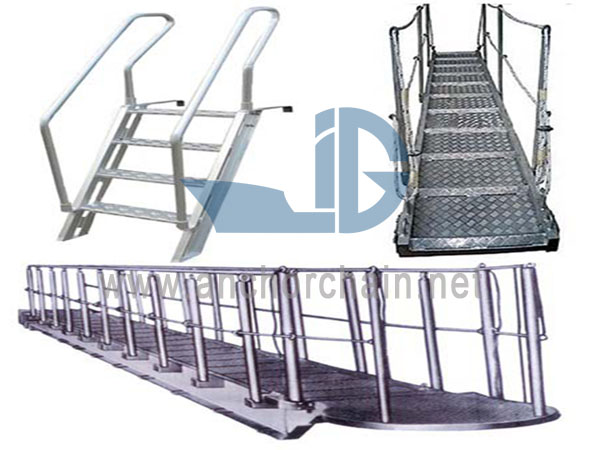
Factors That Determine Marine Ladder Weight Capacity
The load limit of a Marine Ladder depends on several engineering factors. Below is a breakdown of the most influential elements.
| Factor | Impact on Weight Capacity | Typical Range |
|---|---|---|
| Material |
Aluminum: 250–350 lbs Stainless Steel: 350–600+ lbs |
250–600 lbs |
| Rail Diameter |
7/8″ → lower capacity 1.25″ → higher capacity |
250–500 lbs |
| Rung Spacing |
12″–14″ standard → 300 lbs Closer spacing → slightly lower |
250–400 lbs |
| Mounting Type |
Surface mount (strongest) Flush mount (moderate) Hinged (lowest) |
250–500 lbs |
| Number of Steps |
3-step: 300–400 lbs 4-step: 250–350 lbs 5+ step: 200–300 lbs |
200–400 lbs |
Load Ratings by Marine Ladder Type
Different vessels and applications require different ladder specifications. The table below summarizes standard weight capacities for common Marine Ladder categories.
| Marine Ladder Type | Typical Weight Capacity | Common Use |
|---|---|---|
| Single-step boarding ladder | 250–300 lbs | Small dinghies, kayaks |
| 3-step telescoping ladder | 300–400 lbs | Pontoon boats, fishing boats |
| 4-step foldaway ladder | 250–350 lbs | Runabouts, deck boats |
| Heavy-duty swim ladder | 400–600 lbs | Large yachts, dive boats |
| Commercial boarding ladder | 600–800+ lbs | Ferries, workboats, rescue vessels |
Note: Always check the manufacturer’s plate. LIG MARINE GROUP labels every Marine Ladder with a tested safe working load (SWL).
Marine Ladder FAQ – Common Questions
Q1: Can a Marine Ladder rated for 300 lbs safely support a 280 lb person carrying 30 lbs of gear?
A: No. The weight capacity refers to the total dynamic load, including the person, gear, and any impact force from climbing. A 280 lb person with 30 lbs of gear reaches 310 lbs static load. When climbing, dynamic forces can add 50–100% more stress. For a 280 lb user plus gear, choose a Marine Ladder rated at least 400 lbs. LIG MARINE GROUP recommends adding a 25–30% safety margin above your total static weight.
Q2: Does the weight capacity of a Marine Ladder change when the ladder is folded or tilted?
A: Yes significantly. Most Marine Ladder weight ratings are based on the ladder being fully extended and mounted at the correct angle (normally 70–80 degrees from horizontal). When folded against the hull or used at a shallow angle (e.g., 45 degrees), the effective capacity drops by 30–50% because leverage forces increase on the hinges and mounting brackets. A 400 lb rated Marine Ladder may only support 200–250 lbs when tilted. Always extend the ladder fully and deploy it at the intended angle.
Q3: How can I verify the real weight capacity of an unmarked Marine Ladder?
A: Never guess. An unmarked Marine Ladder is an unknown safety risk. You can perform a static load test: support the ladder at its mounting points, add weight gradually (using sandbags or water containers) until reaching 1.5x the intended maximum load. Observe any bending, cracking, or hinge deformation. However, for certification and insurance purposes, LIG MARINE GROUP strongly recommends replacing any unmarked Marine Ladder with a new, labeled unit. No field test replaces a manufacturer’s engineering validation.
Why Trust LIG MARINE GROUP for Your Marine Ladder Needs?
Every Marine Ladder from LIG MARINE GROUP undergoes third-party load testing and meets or exceeds ABYC (American Boat & Yacht Council) standards. Our ladders feature non-slip rungs, corrosion-resistant welds, and clear weight capacity markings. Whether you need a compact 3-step ladder or a commercial-duty 6-step boarding system, we provide certified ratings and material warranties.
Contact Us for a Certified Marine Ladder
Selecting the right Marine Ladder based on weight capacity is not just about convenience—it is about crew and passenger safety. Do not rely on guesses or unlabeled equipment. Contact LIG MARINE GROUP today for expert guidance, custom load ratings, and a full catalog of certified Marine Ladder solutions tailored to your vessel. Reach us through our website or call our marine engineering support team. Your safety starts with the right ladder.