

What Is a Sand Dredger and How Does It Solve Modern Dredging Challenges?
2026-09-03
Article Summary:
A Sand Dredger is an essential marine engineering machine designed to extract sand, sediment, and other underwater materials efficiently. With increasing demands from construction, river maintenance, land reclamation, and mining industries, choosing the right dredging equipment has become a critical decision for many project owners. This article explains what a Sand Dredger is, why it is important, how it works, key advantages, applications, and how businesses can select suitable equipment to improve productivity and reduce operating costs.
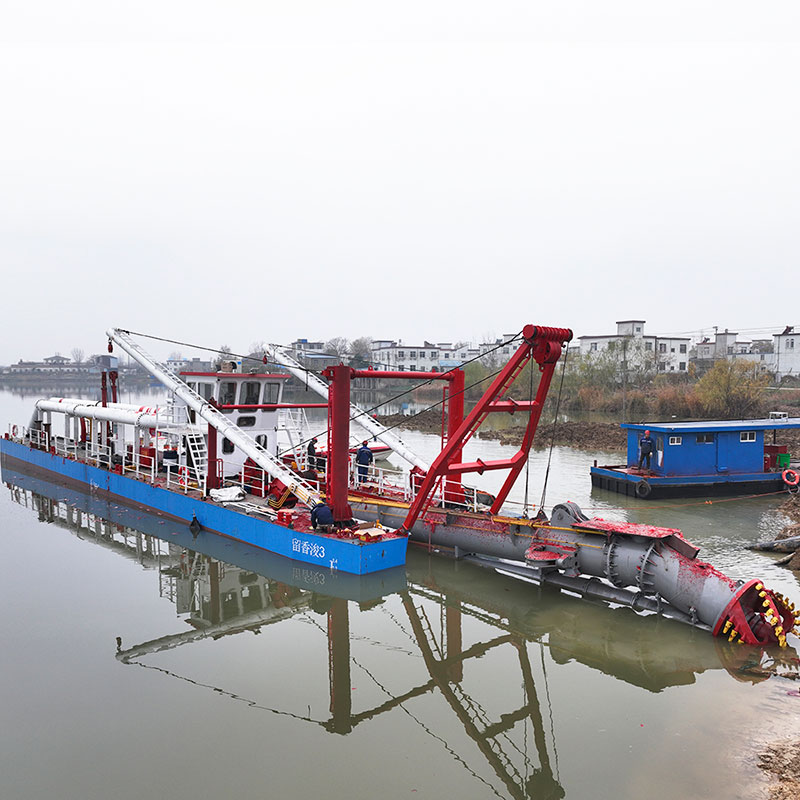
Royang Dredger provides professional dredging solutions designed for different working environments, helping customers achieve stable, efficient, and economical sand extraction operations.
Table of Contents
- What Is a Sand Dredger?
- Why Is a Sand Dredger Important?
- How Does a Sand Dredger Work?
- Main Components of a Sand Dredger
- Different Types of Sand Dredgers
- Advantages of Using a Sand Dredger
- Applications of Sand Dredging Equipment
- How to Choose the Right Sand Dredger?
- Frequently Asked Questions
What Is a Sand Dredger?
A Sand Dredger is specialized equipment used for removing sand, gravel, mud, and sediment from underwater locations such as rivers, lakes, reservoirs, coastal areas, and mining sites. Unlike traditional excavation equipment that operates on land, a Sand Dredger works directly in water environments and uses advanced pumping, cutting, and transportation systems to complete underwater material extraction.
Modern Sand Dredgers usually combine a floating platform, powerful dredging pump, suction pipeline, hydraulic system, and control system. These components work together to loosen underwater sand deposits, create a sand-water mixture, and transport the material through pipelines to a designated area.
Depending on project requirements, Sand Dredgers can be customized for shallow rivers, deep waterways, large-scale mining operations, or environmental restoration projects. Different designs provide different working capacities, dredging depths, and transportation distances.
Why Is a Sand Dredger Important?
The demand for efficient sand extraction and waterway management continues to increase worldwide. Many industries face challenges such as sediment accumulation, reduced water depth, limited construction materials, and rising operation costs. A Sand Dredger provides an effective solution by improving material recovery efficiency and maintaining water environments.
| Industry Challenge | How a Sand Dredger Helps |
|---|---|
| Sediment buildup in rivers and channels | Removes accumulated sand and improves water flow and navigation conditions |
| Demand for construction sand | Extracts underwater sand resources efficiently |
| Land reclamation projects | Transfers dredged materials to create new usable land areas |
| High labor costs | Automated dredging systems reduce manual operation requirements |
| Complex underwater environments | Provides flexible solutions for different water conditions |
For companies involved in marine engineering, mining, or infrastructure construction, selecting reliable dredging equipment can directly influence project efficiency, profitability, and long-term operational stability.
How Does a Sand Dredger Work?
The working process of a Sand Dredger mainly includes underwater cutting, suction, transportation, and discharge. Although different models may have different structures, the basic operating principle remains similar.
- Underwater Sand Loosening: The dredging head or cutter system breaks the compacted sand layer at the bottom of the water. Some models use rotating cutter heads, while others use high-pressure water jets to loosen sediment.
- Sand Suction Process: A powerful dredge pump creates suction force that draws the loosened sand and water mixture into the suction pipe.
- Pipeline Transportation: The sand slurry is transported through discharge pipelines to processing areas, storage locations, or reclamation sites.
- Material Separation: After reaching the destination, water and solid materials can be separated according to the requirements of the project.
This continuous dredging method allows Sand Dredgers to handle large volumes of underwater materials while reducing the need for additional transportation equipment.
Main Components of a Sand Dredger
Understanding the main components of a Sand Dredger helps users evaluate equipment performance and select the right solution for specific applications.
| Component | Function |
|---|---|
| Dredger Hull | Provides floating support and carries mechanical systems during operation |
| Dredge Pump | Generates suction power and transports sand slurry |
| Suction Pipe | Transfers underwater sand and sediment mixture |
| Cutter Head or Jet System | Breaks hard sediment layers and improves extraction efficiency |
| Hydraulic System | Controls movement and operating functions |
| Pipeline System | Moves dredged materials to the required destination |
Different Types of Sand Dredgers
Sand Dredgers are available in various designs to meet different working conditions, material characteristics, and project requirements. Selecting the correct type of dredging equipment can significantly improve production efficiency and reduce unnecessary operating expenses.
| Type of Sand Dredger | Main Features | Typical Applications |
|---|---|---|
| Cutter Suction Dredger | Uses a rotating cutter head to loosen hard underwater materials before suction | River dredging, mining, port construction, and large-scale sand extraction |
| Jet Suction Dredger | Uses high-pressure water jets to loosen sand and sediment | Soft sediment areas, shallow waters, and sand recovery projects |
| Bucket Chain Dredger | Uses a continuous bucket system to collect underwater materials | Gravel extraction, mining operations, and heavy sediment removal |
| Trailing Suction Hopper Dredger | Combines suction equipment with onboard storage capacity | Coastal projects, marine construction, and large waterway maintenance |
| Portable Sand Dredger | Compact structure with easy transportation and installation | Small rivers, ponds, lakes, and flexible dredging projects |
Among these options, cutter suction dredgers are widely used because they provide strong excavation ability and stable performance in different geological conditions. For customers requiring customized dredging solutions, Royang Dredger develops equipment configurations according to sand characteristics, dredging depth, production capacity, and transportation distance.
Advantages of Using a Sand Dredger
A reliable Sand Dredger provides multiple benefits compared with traditional underwater excavation methods. Its efficiency, flexibility, and continuous operation capability make it an important investment for many industries.
- High Material Extraction Efficiency: Sand Dredgers can continuously remove large quantities of underwater sand, helping complete projects within shorter timeframes.
- Reduced Labor Requirements: Modern dredging systems use hydraulic controls and automated operating functions, reducing dependence on manual workers.
- Cost-Effective Transportation: The slurry pipeline transportation method reduces the need for additional trucks or marine transport equipment.
- Suitable for Various Environments: Sand Dredgers can operate in rivers, lakes, reservoirs, coastal areas, and mining locations.
- Improved Waterway Management: Regular dredging prevents excessive sediment accumulation and maintains safe navigation conditions.
- Customizable Performance: Equipment specifications can be adjusted based on dredging depth, production requirements, and site conditions.
| Traditional Excavation Method | Sand Dredger Solution |
|---|---|
| Requires complex underwater operations | Designed specifically for underwater material removal |
| Limited working range | Can operate continuously across large water areas |
| Higher transportation requirements | Uses pipeline systems for efficient material transfer |
| More manual involvement | Advanced control systems improve operational efficiency |
Applications of Sand Dredging Equipment
Sand Dredgers play an important role in many industries because underwater resources and sediment management are essential for economic development and environmental protection.
-
Construction Material Supply
The construction industry requires large amounts of quality sand for concrete production, infrastructure projects, and building development. Sand Dredgers provide an efficient way to obtain underwater sand resources.
-
River and Lake Maintenance
Sediment accumulation can reduce water capacity and affect navigation. Dredging equipment removes excess deposits and helps maintain waterways.
-
Port and Harbor Development
Ports require sufficient water depth for ships to operate safely. Sand Dredgers remove sediment from navigation channels and harbor areas.
-
Land Reclamation Projects
Dredged sand can be transported to create new land areas for industrial zones, coastal development, and infrastructure construction.
-
Sand Mining Operations
Mining companies use specialized dredging equipment to recover underwater mineral resources efficiently while maintaining stable production.
How to Choose the Right Sand Dredger?
Choosing suitable dredging equipment requires careful consideration of several factors. An incorrect selection may lead to reduced productivity, higher maintenance costs, and project delays.
| Selection Factor | Key Considerations |
|---|---|
| Dredging Depth | Select equipment according to the maximum underwater working depth required by the project |
| Material Type | Consider whether the target material is soft sand, clay, gravel, or mixed sediment |
| Production Capacity | Choose a dredger with suitable pumping capacity and processing output |
| Working Environment | Evaluate water conditions, weather factors, and site accessibility |
| Transportation Distance | Match pipeline length and pump performance with discharge requirements |
| Maintenance Requirements | Select equipment with reliable components and convenient service access |
Before purchasing a Sand Dredger, customers should analyze their complete project requirements instead of focusing only on initial equipment costs. A properly configured machine can provide better long-term value through higher efficiency, lower downtime, and improved reliability.
Why Choose Royang Dredger for Sand Dredging Solutions?
Royang Dredger focuses on providing practical and reliable dredging solutions for customers worldwide. With experience in dredging equipment design and manufacturing, the company understands that every project has different requirements.
From river sand extraction to large-scale engineering projects, Royang Dredger provides customized solutions based on working depth, material characteristics, production targets, and operational conditions. The company emphasizes equipment durability, efficient performance, and customer-oriented service to help users achieve stable dredging operations.
- Customized dredging equipment design
- Suitable solutions for different water environments
- Reliable mechanical performance
- Professional technical support
- Improved operational efficiency and cost control
Frequently Asked Questions
What is the main purpose of a Sand Dredger?
A Sand Dredger is mainly used to extract underwater sand, remove sediment, maintain waterways, and support construction or mining projects. It provides an efficient solution for underwater material handling.
How deep can a Sand Dredger operate?
The operating depth depends on the equipment model, pump system, pipeline configuration, and project requirements. Different dredgers are designed for different working depths.
Can a Sand Dredger be customized?
Yes. Sand Dredgers can be customized according to production capacity, dredging environment, material type, transportation distance, and customer application requirements.
What factors affect Sand Dredger performance?
Performance is influenced by pump power, cutter design, material characteristics, dredging depth, pipeline distance, and operator management. Proper equipment selection is essential for achieving stable results.
How can customers maintain a Sand Dredger?
Regular inspection of pumps, hydraulic systems, pipelines, and mechanical components helps prevent unexpected failures. Following professional maintenance schedules can extend equipment service life.
Conclusion
A Sand Dredger is an essential solution for modern underwater sand extraction, sediment management, and marine engineering projects. By combining powerful suction technology, efficient transportation systems, and flexible operating capabilities, it helps industries complete challenging dredging tasks more effectively.
Selecting the right dredging equipment requires careful evaluation of project conditions, material properties, and production goals. With professional experience and customized solutions, Royang Dredger supports customers in achieving reliable and efficient dredging performance.
If you are looking for a dependable Sand Dredger solution designed for your specific application, Royang Dredger is ready to provide professional support and customized equipment recommendations. Please contact us today to discuss your dredging requirements and find the right solution for your project.