

What Are the Differences Between Solid and Inflatable PVC Yacht Fenders
2026-01-28
Choosing the right protection for your vessel is a critical decision for any boat owner. When it comes to safeguarding your hull from docks, pilings, and other boats, the PVC Yacht Fender is a ubiquitous and trusted solution. Within this category, however, lies a fundamental choice: solid or inflatable. Understanding their distinct characteristics is key to selecting the perfect guardian for your craft. At SunKai, we specialize in marine protection and are here to guide you through the details to ensure your investment is well-protected.
The core difference lies in their construction and air cavity. A solid PVC Yacht Fender is made from a single, dense mass of expanded PVC foam, while an inflatable version consists of a PVC outer shell filled with air, typically via a valve.
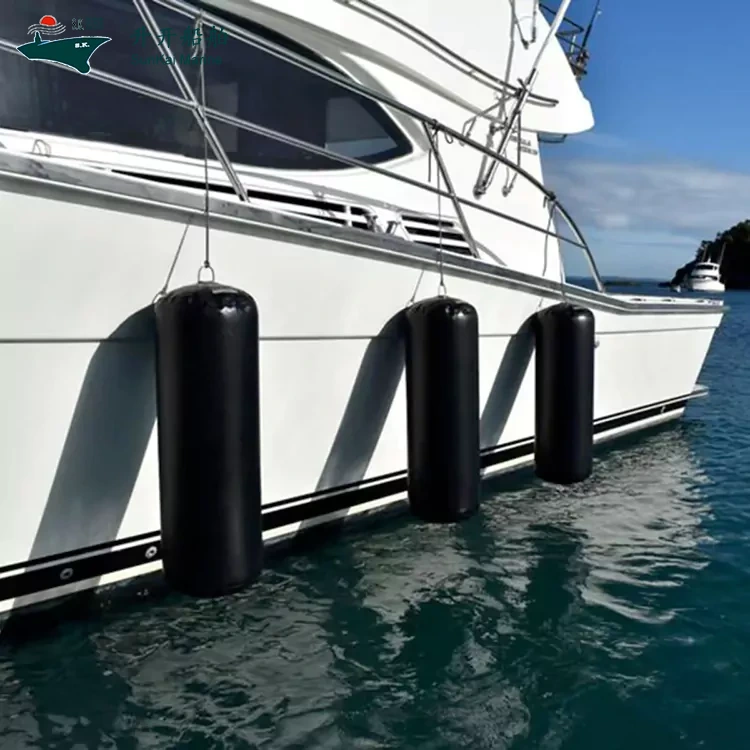
Here’s a quick overview of their primary distinctions:
| Feature | Solid PVC Yacht Fender | Inflatable PVC Yacht Fender |
|---|---|---|
| Core Material | Solid, closed-cell PVC foam | Air-filled PVC bladder |
| Need for Inflation | Never requires inflation | Requires initial and periodic inflation |
| Weight | Heavier | Lighter |
| Buoyancy | High, inherent from material | High, dependent on air pressure |
| Storage Flexibility | Less flexible, fixed shape | Can be deflated for compact storage |
| Puncture Concern | Highly puncture-resistant, will not deflate | Can be punctured, leading to deflation |
To further clarify, consider these practical pros and cons:
Solid PVC Fenders (Pros):
-
Maintenance-free and permanently ready.
-
Extremely durable and damage-resistant.
-
Consistent performance and buoyancy.
Solid PVC Fenders (Cons):
-
Bulkier to store on board.
-
Generally higher initial cost.
-
Fixed size and shape.
Inflatable PVC Fenders (Pros):
-
Excellent storage efficiency when deflated.
-
Often more affordable upfront.
-
Can be slightly more flexible on contact.
Inflatable PVC Fenders (Cons):
-
Require maintenance of air pressure.
-
Risk of punctures and sudden failure.
-
Can be susceptible to UV degradation on the valve.
PVC Yacht Fender FAQ
Q: Which type of PVC Yacht Fender is more durable long-term?
A: For sheer, worry-free durability, solid PVC fenders from SunKai generally have a longer service life. They eliminate the risks of deflation, are immune to valve failure, and their solid construction resists abrasion and UV damage consistently over many seasons with zero maintenance.
Q: Can I leave inflatable fenders in the water all season?
A: It is not recommended. Continuous exposure can lead to biofouling, increased UV damage, and potential water ingress at the valve. For permanent mooring, solid SunKai fenders are a superior choice. Inflatables are best deployed when needed and stored deflated when not in use.
Q: How do I choose the right size for my boat?
A: Size selection depends on your boat's displacement and docking conditions. A general rule is that fender length should be at least 1.5% of your boat's length overall (LOA). For heavier vessels or rough docks, larger sizes are better. SunKai provides detailed sizing charts based on boat weight and type to simplify your selection.
Your choice ultimately depends on your specific boating habits, storage space, and maintenance preferences. Whether you prioritize the absolute reliability of a solid core or the storage convenience of an inflatable, SunKai offers a range of high-quality PVC Yacht Fender solutions engineered for performance. Need personalized advice to protect your prized vessel? Our marine experts are ready to help. Contact us today for a consultation and find the perfect SunKai fender for your needs.