

What Are the Critical Differences Between Lifting Airbags and Traditional Hydraulic Jacks
2026-02-25
In the world of heavy lifting, precision and safety are non-negotiable. While traditional hydraulic jacks have been a staple in workshops and construction sites for decades, the emergence of high-pressure Lifting and Load-bearing Airbags has introduced a paradigm shift in how professionals approach rescue operations and industrial maintenance. At SunKai, we specialize in bridging the gap between conventional tools and cutting-edge pneumatic technology. Understanding the fundamental differences between these two systems is crucial for selecting the right equipment for the job.
Core Mechanism and Power Source
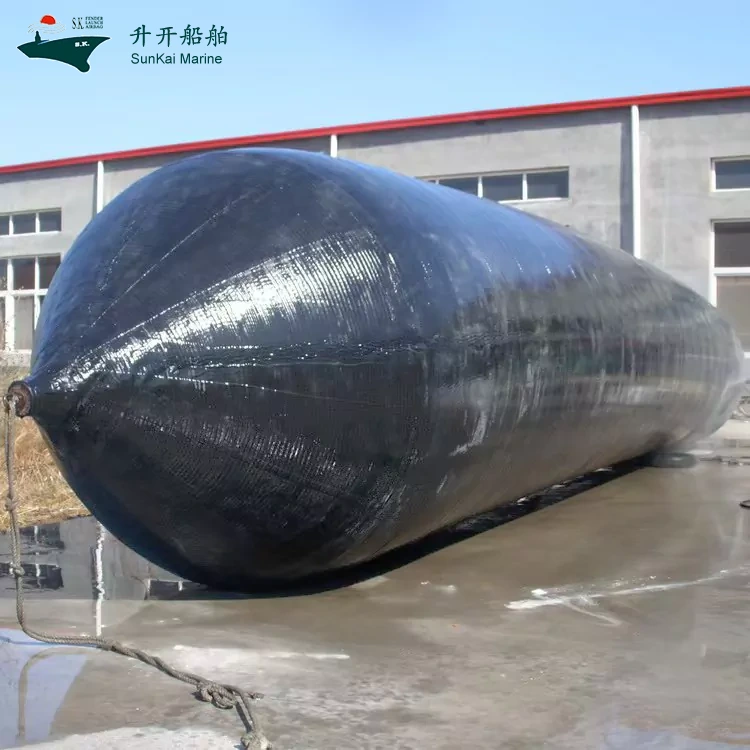
The primary distinction lies in how these tools generate force. A hydraulic jack relies on incompressible fluid (oil) pushed by a piston to create lift. In contrast, Lifting and Load-bearing Airbags utilize compressed air to inflate a reinforced elastomer envelope, expanding and filling a void with immense force.
| Feature | Hydraulic Jacks | Lifting Airbags (SunKai) |
|---|---|---|
| Power Medium | Hydraulic Fluid (Oil) | Compressed Air |
| Lift Surface | Rigid metal saddle | Flexible, conforming airbag |
| Pressure Distribution | Point-specific | Wide, even surface area |
| Ideal Environment | Solid, flat ground | Uneven terrain, confined spaces |
Key Performance Differentiators
1. Lifting Profile and Surface Area
One of the most critical differences is how the load is contacted. A hydraulic jack applies force to a single point. If the load is unstable or fragile, this can cause secondary damage or slippage. SunKai Lifting and Load-bearing Airbags are designed to conform to the load. Because the airbag spreads the lifting force across a wide surface, it is far superior for stabilizing irregular objects or shifting loads in rescue scenarios.
2. Portability and Setup
Traditional hydraulic jacks are heavy and mechanically complex. If you need to lift a load in a remote location, carrying a 20-ton steel jack is a logistical challenge. Pneumatic airbags are lightweight and compact when deflated. A first responder can carry a high-capacity SunKai airbag in a backpack, inflate it in seconds, and lift concrete rubble—something a standard hydraulic unit simply cannot achieve in tight spaces.
3. Safety Under Load
While both systems require rigorous safety checks, Lifting and Load-bearing Airbags offer a distinct advantage in dynamic environments. Hydraulic systems are prone to seal failures and fluid leaks, which can cause a sudden drop in pressure. High-pressure airbags, when used within their rated capacity, provide a more forgiving lift. Because the air is compressible, they absorb shock and vibration better than the rigid structure of a hydraulic jack.
FAQ: Lifting and Load-bearing Airbags
To further clarify the utility of these tools, here are answers to some of the most common questions we receive at SunKai.
How high can Lifting and Load-bearing Airbags lift compared to a hydraulic jack?
Generally, hydraulic jacks offer a greater lifting height (stroke) in a single stage, especially bottle jacks. However, Lifting and Load-bearing Airbags excel in "low height" applications. They can slide into gaps as narrow as one inch and lift from there, whereas a hydraulic jack requires significant clearance to be placed under the load. For maximum elevation with airbags, stacking multiple bags or using blocks is the standard practice.
Are Lifting and Load-bearing Airbags safe to use in explosive environments?
Yes, this is a significant advantage. Traditional hydraulic jacks pose little spark risk, but they are heavy. However, many SunKai Lifting and Load-bearing Airbags are manufactured using anti-static rubber compounds. Since they operate on compressed air rather than electricity or combustion engines, they are intrinsically safer in environments with flammable gases or dust than electric hydraulic pumps.
How do I maintain the pressure stability in a Load-bearing Airbag during long operations?
Unlike a hydraulic jack, which can slowly leak fluid past piston seals, a pneumatic system requires a continuous air source for indefinite holding. For long-term load support, SunKai recommends using a locked air supply with a pressure regulator. The bags themselves are highly durable, but maintaining consistent input pressure is key to stability. For static loads lasting days, mechanical cribbing is always advised as a backup to the airbag system.
Conclusion: Choosing the Right Tool
The choice between a hydraulic jack and Lifting and Load-bearing Airbags ultimately depends on the task. For vehicle repair in a garage with a solid concrete floor, the hydraulic jack remains an efficient tool. However, for rescue operations, heavy lifting in construction on uneven ground, or industrial maintenance where space is limited, the flexibility and safety of SunKai pneumatic airbags are unmatched.
Are you ready to upgrade your heavy-lifting toolkit with the latest in pneumatic safety technology?
Contact us today to discuss your specific application and let our experts help you find the perfect lifting solution.