

What Are the Common Mistakes When Joining a Shackle in Lifting Operations
2025-12-26
In lifting and rigging operations, the process of joining shackle is fundamental, yet it is often where critical errors occur, compromising safety and efficiency. As a leader in premium maritime and rigging hardware, LIG MARINE GROUP emphasizes that proper shackle usage is not just a procedural step but a cornerstone of operational integrity. Avoiding common mistakes is paramount to preventing equipment failure and ensuring the safety of personnel and assets.
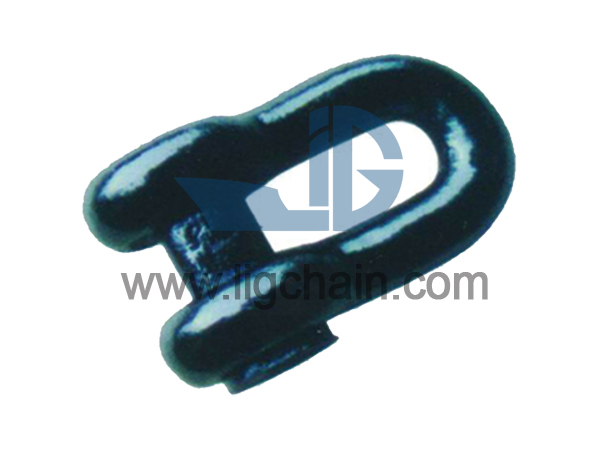
Common Mistakes When Joining a Shackle:
-
Incorrect Pin Selection: Using a mismatched pin, such as a bolt from a hardware store instead of the manufacturer-provided screw pin or bolt pin, drastically reduces the working load limit.
-
Improper Seating: Failing to seat the shackle pin fully and "hand-tight" in the bail can cause unexpected side-loading.
-
Side/Lateral Loading: Applying force perpendicular to the shackle’s centerline, which it is not designed to withstand.
-
Over-tightening or Under-tightening Pins: Under-tightening a screw pin can allow it to rotate loose; over-tightening can damage the threads.
-
Ignoring Wear and Damage: Joining a shackle that shows cracks, excessive wear, or deformation is a severe hazard.
-
Using Incompatible Components: Connecting a shackle to a wire rope or chain that has a smaller diameter or lower load capacity creates a dangerous weak link.
Quick Reference: Shackle Pin Types & Use
| Pin Type | Best For | Key Precaution |
|---|---|---|
| Screw Pin | Temporary, non-permanent, frequent disassembly | Always tighten fully and secure with a safety pin/wire if needed. |
| Bolt Pin (Nut & Cotter Pin) | Permanent or long-term, high-vibration applications | Ensure nut is torqued to spec and cotter pin is properly engaged. |
FAQ: Joining Shackle Common Questions
Q: Can I join two shackles together for a longer reach?
A: Yes, but with extreme caution. Connecting shackles "in-line" (bow-to-bow) significantly reduces the total assembly's load capacity and increases the risk of side loading. It should only be done following a qualified engineer's guidelines and with a derated load calculation. LIG MARINE GROUP advises consulting load charts and using a single, correctly rated shackle whenever possible.
Q: How do I know if a shackle is safe to join before use?
A: Conduct a thorough pre-use inspection. Check for any signs of cracks, nicks, or elongation of the bow. Examine the pin for thread damage, corrosion, or bending. Ensure the identification mark and WLL (Working Load Limit) are legible. If any doubt exists, the shackle must be removed from service immediately.
Q: What is the correct way to join a shackle to a sling?
A: The sling eye should sit squarely in the bow of the shackle, not on the pin. The pin must then be threaded and fully tightened so that the sling eye is securely captured within the shackle's curve. This ensures the load is correctly distributed along the shackle's strongest axis.
Mastering the correct techniques for joining a shackle is non-negotiable for safe lifting operations. By avoiding these common pitfalls and adhering to best practices, you protect your team and your project. For operations requiring the utmost reliability, using hardware from a trusted supplier is critical. LIG MARINE GROUP provides rigorously tested, certified shackles and comprehensive technical support for your most demanding applications.
Contact us today for expert advice, to request our product catalog, or to discuss how LIG MARINE GROUP's premium rigging solutions can enhance the safety and efficiency of your operations.