

Article Summary: Container lashing fittings form the connection system that keeps shipping containers properly secured during vessel operations, terminal handling, and other transport conditions. A complete arrangement may include twistlocks, cones, deck fittings, lashing rods, sockets, and turnbuckles. The right combination depends on the container arrangement, securing point, lashing plan, equipment design, and operating environment. This guide explains the main types of container lashing fittings, how they work together, what buyers should check before purchasing, and how proper inspection and maintenance can reduce operational problems.
What Are Container Lashing Fittings?
Container lashing fittings are specialized mechanical components used to secure shipping containers during marine transportation and container handling operations. Rather than being a single product, the term covers a group of fittings that work around the container's corner castings, deck structure, lashing points, rods, and tensioning equipment.
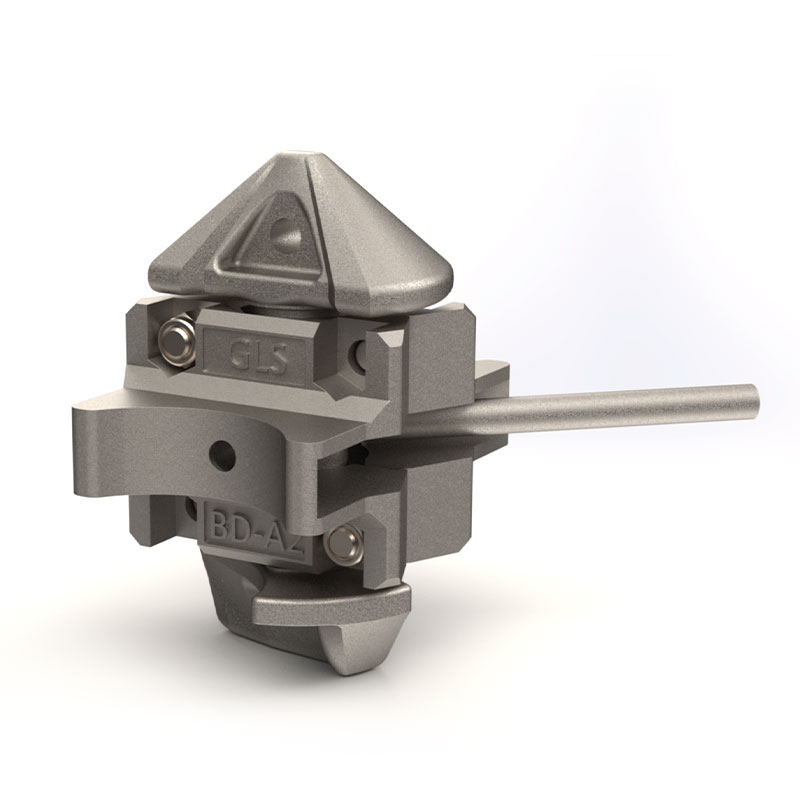
A typical container securing arrangement may include container twistlocks, container cones, fixed deck fittings, lashing rods, sockets, and container turnbuckles. Each component has a different job. Some connect containers to one another, some connect containers to the vessel structure, and others apply or maintain the required tension.
This distinction matters when purchasing. A fitting that works well in one location may not be suitable for another. Container height, stack position, deck arrangement, corner fitting geometry, lashing direction, working clearance, and the vessel's approved securing arrangement all influence the appropriate equipment.
How the Main Components Work Together
The purpose of a container securing system is straightforward: keep containers in their intended position while they are exposed to acceleration, vibration, vessel movement, wind, handling forces, and other loads encountered during transportation.
The actual load path varies according to the vessel and lashing arrangement. Twistlocks can connect adjacent containers vertically, while lashing rods and turnbuckles can provide additional restraint between container corner fittings and deck-mounted securing points. Deck sockets and fixed fittings provide the connection between the lashing arrangement and the ship structure.
| Component | Typical Function | Purchasing Focus |
|---|---|---|
| Container Twistlock | Locks containers together or secures them to a compatible base fitting. | Locking design, dimensions, strength, operation, corrosion protection |
| Container Cone | Provides positioning or connection between container corner castings in applicable arrangements. | Geometry, material, surface condition, dimensional compatibility |
| Fixed Deck Fitting | Provides a permanent or installed securing point on a deck or related structure. | Mounting method, weld quality, load requirements, installation position |
| Lashing Rod | Transfers securing forces from container corner fittings toward deck-level securing points. | Length, thread, end configuration, strength and compatibility |
| Socket | Provides an interface for applicable lashing or securing components. | Dimensions, mounting arrangement and matching components |
| Container Turnbuckle | Adjusts and maintains tension within a lashing arrangement. | Thread configuration, adjustment range, strength and corrosion resistance |
The components should therefore be selected as a coordinated set. IMO guidance specifically emphasizes compatibility between lashing equipment and the planned container stowage, as well as compatibility between components such as twistlocks and lashing rod heads.
Main Types of Container Lashing Fittings
Container Twistlocks
Twistlocks are among the most recognizable pieces of container securing hardware. They engage with the standardized corner fittings of ISO containers and create a mechanical connection between containers or between a container and its supporting structure.
Different operating requirements have led to manual, semi-automatic, and automatic twistlock designs. The appropriate configuration depends on the equipment arrangement and operating method. In practical applications, clear locked and unlocked positions are particularly important because incorrect operation can create unnecessary safety risks and delays.
IMO guidance recommends keeping the number of different twistlock types in use to a minimum where practical and ensuring that operating instructions are clear.
Container Cones
Container cones are used in applicable container connection arrangements to position or connect corner castings. Their simple appearance can be misleading: the dimensional relationship between the cone and the container corner fitting must be correct for the intended application.
Buyers should pay attention to dimensions, material quality, surface finish, deformation, and the actual application rather than choosing a cone solely by appearance or nominal size.
Fixed Fittings on Deck
Fixed deck fittings provide securing points on the vessel structure. Depending on the design, they may be welded or otherwise permanently installed as part of the ship's container securing arrangement.
Installation is just as important as the fitting itself. Position, weld quality, structural design, and compatibility with the approved securing arrangement all need to be considered. A correctly manufactured fitting cannot compensate for an unsuitable installation location or an incorrect structural arrangement.
Lashing Rods
Lashing rods are used with other securing components to restrain containers, particularly within stacked container arrangements. Their length and end configuration need to correspond with the specific lashing geometry.
An incorrect rod length can create problems during installation. Excessive length may interfere with nearby components, while insufficient length can make proper engagement difficult. For this reason, the actual container stack configuration should be considered before ordering.
Container Turnbuckles
Turnbuckles provide adjustment within a lashing system. By changing the effective length of the assembly, the operator can establish the required tension in the applicable lashing arrangement.
Thread condition, adjustment range, body strength, corrosion protection, and compatibility with the lashing rod or hook are important purchasing considerations. The fitting should also remain practical to operate in the available working space.
What Should Be Checked Before Purchase?
Buyers often focus on unit price first, but container lashing hardware is a poor area for purchasing decisions based on price alone. The more useful approach is to start with the actual application and then verify the technical details.
1. Identify the Exact Application
Start with the vessel type, container arrangement, securing position, and intended operating environment. A component designed for one location may not be interchangeable with another product that looks similar.
2. Confirm Dimensional Compatibility
Check the relevant drawings, dimensions, connection interfaces, thread specifications, handle positions, and corner-fitting relationships. This is especially important for twistlocks, cones, rods, sockets, and turnbuckles that must operate together.
3. Review Strength Requirements
The required strength should come from the applicable securing arrangement and technical documentation rather than an assumed value. Container securing systems are designed around defined load conditions, and the individual fitting must be suitable for its intended load path.
4. Consider Marine Corrosion
Saltwater, humidity, spray, temperature changes, and outdoor storage can accelerate corrosion. Surface treatment and material selection should therefore be matched to the marine environment.
5. Check Operation and Handling
A component can meet a dimensional requirement and still be inconvenient in daily operation. Handles, locking mechanisms, adjustment threads, access points, and working clearance all affect how easily crews can install, inspect, lock, and release the equipment.
6. Request Traceable Technical Information
For commercial marine purchasing, buyers should request drawings, specifications, material information, test documentation, certification where applicable, and inspection records according to project requirements.
How Proper Lashing Supports Safer Container Handling
Container securing is not simply about preventing a box from sliding. During a voyage, containers can experience combined forces in multiple directions. The securing system needs to work with the vessel structure and container stack to control movement under the conditions considered in the applicable securing plan.
This is why proper stowage, correct equipment selection, correct installation, and inspection all belong to the same process. The IMO CSS Code emphasizes that safe cargo stowage and securing depend on proper planning, execution, and supervision, with personnel appropriately qualified and experienced for the task.
For equipment buyers, this translates into a practical lesson: purchasing a high-strength fitting does not automatically create a safe securing arrangement. The fitting must be suitable for the actual system in which it will be used.
Inspection and Maintenance Points
Marine securing equipment works in an aggressive environment. Regular inspection helps identify wear and damage before a component becomes unsuitable for service.
- Check twistlock bodies and locking heads for cracks, deformation, excessive wear, or abnormal damage.
- Inspect moving mechanisms to ensure that locking and unlocking actions remain clear and positive.
- Check lashing rods for bending, damaged threads, severe corrosion, or deformation.
- Inspect turnbuckles for thread damage, distortion, corrosion, and abnormal movement.
- Check sockets and fixed deck fittings for structural damage and abnormal wear.
- Keep moving parts maintained according to the manufacturer's instructions.
- Separate damaged or non-conforming fittings from service equipment.
- Maintain appropriate records for inspection and replacement where required.
IMO guidance recommends a periodic inspection and maintenance regime for lashing systems and states that non-conforming equipment should be segregated for repair or disposal.
Common Problems in Container Securing
Using Visually Similar but Incompatible Components
Many marine fittings appear similar at first glance. However, small differences in dimensions, locking geometry, thread type, or operating mechanism can make two components unsuitable for the same application.
Ignoring Corrosion Protection
Marine exposure can gradually affect exposed metal surfaces. A fitting that is acceptable for a sheltered warehouse environment may require a different protection strategy for continuous marine use.
Ordering Only by Nominal Size
Size alone does not define suitability. The buyer should also consider the component interface, load requirement, installation arrangement, operating method, and required certification.
Replacing One Component Without Checking the System
Changing a turnbuckle, rod, socket, or twistlock can affect the compatibility of the surrounding arrangement. Replacement parts should be checked against the original technical requirements rather than selected solely because they appear interchangeable.
Neglecting Documentation
For shipowners, shipyards, marine equipment distributors, and fleet maintenance teams, documentation can be as important as the physical product. Clear drawings, specifications, inspection records, and applicable certificates make purchasing, installation, and future replacement more manageable.
Practical Purchasing Guide for Marine Buyers
A professional procurement process should make it easy for the supplier to understand exactly what is required. Instead of sending only a product name such as "container twistlock" or "lashing fitting," provide as much application information as possible.
- Product name: Identify the exact fitting required.
- Application: Explain whether it is intended for vessel deck securing, container stacking, terminal handling, or another application.
- Drawing: Provide a technical drawing or reference drawing whenever available.
- Dimensions: Include length, diameter, thread, connection type, and other relevant dimensions.
- Material: State the required material or performance requirement if specified by the project.
- Surface treatment: Identify the required corrosion protection or coating system.
- Quantity: Give the expected order quantity and forecast quantity when possible.
- Certification: State whether class certification or third-party inspection is required.
- Packaging: Confirm whether bulk packing, pallet packing, or individual protection is required.
- Delivery: Provide the destination port and required delivery schedule.
This information reduces unnecessary quotation revisions and helps the manufacturer match the requested component to the actual application. For buyers managing multiple vessel projects, standardized specifications can also make repeat purchasing much easier.
Frequently Asked Questions
They are used as components of container securing systems for connecting, locking, positioning, or tensioning shipping containers during marine transportation and related handling operations.
Common products include container twistlocks, container cones, fixed deck fittings, lashing rods, sockets, and container turnbuckles. The exact combination depends on the vessel and securing arrangement.
No. Twistlocks can differ in design, dimensions, operating mechanism, installation arrangement, and application. Compatibility should be confirmed before replacement or bulk purchasing.
Marine equipment is exposed to moisture, salt spray, and changing environmental conditions. Suitable material selection and surface protection can help maintain the service condition of fittings over time.
Inspection should cover visible cracks, deformation, excessive wear, corrosion, damaged threads, locking function, and other signs of abnormal condition. Equipment that does not meet the applicable requirements should be removed from service.
They can be purchased separately in many procurement situations, but the connection between the components must be checked. Thread type, dimensions, end configuration, adjustment range, and intended load should all match the application.
Product type, application, technical drawing, dimensions, material requirements, surface treatment, quantity, certification requirements, packaging, and delivery destination are useful details for an accurate quotation.
Not necessarily. The correct securing equipment depends on the vessel design, container arrangement, approved securing system, and applicable technical requirements. Vessel-specific documentation should be checked before selecting replacement equipment.
Final Thoughts
Container lashing fittings may look like relatively small components compared with a complete container vessel, but their role within the securing system is significant. Twistlocks, cones, deck fittings, lashing rods, sockets, and turnbuckles each perform a defined function, and their effectiveness depends on correct compatibility, installation, operation, and maintenance.
For shipowners, shipyards, marine equipment distributors, and cargo-securing professionals, the most reliable purchasing approach is to begin with the application rather than the product name alone. Technical drawings, dimensional information, material requirements, operating conditions, certification needs, and the vessel's securing arrangement should all be considered before an order is confirmed.
Boats Marine Parts focuses on practical marine hardware solutions for customers who need dependable components for demanding operating environments. Whether the requirement involves container twistlocks, cones, deck fittings, lashing rods, sockets, or turnbuckles, matching the product configuration to the real application is the starting point for a successful supply project.
Need the Right Container Lashing Fittings?
If you are sourcing container securing components for vessels, shipyards, ports, marine equipment distribution, or replacement projects, provide your required product type, dimensions, quantity, application details, and technical drawings if available.
Our team can help review the requirements and provide a suitable product configuration and quotation for your project.
Contact us today to discuss your container lashing fittings requirements and request detailed product information or a quotation.