Article Summary
Selecting the right marine anchor is essential for vessel safety, stability, and operational efficiency at sea or in harbor conditions.
Many boat owners face challenges such as anchor dragging, poor seabed holding, corrosion issues, and incorrect sizing.
This article provides a complete guide to understanding marine anchors, their types, selection criteria, installation practices, and maintenance methods.
It also highlights practical solutions offered by ANDY MARINE to help improve anchoring performance and reduce common operational risks.
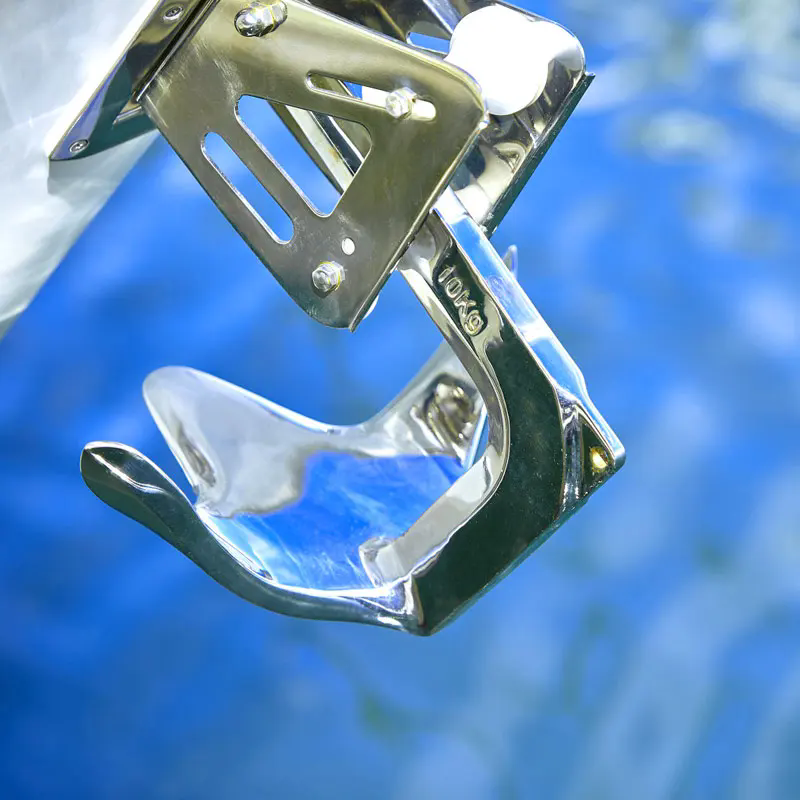
Outline Overview
-
Introduction to marine anchoring systems and their importance
-
Detailed explanation of anchor types and their applications
-
Key factors for selecting the right anchor for different vessels
-
Material selection and corrosion resistance considerations
-
Installation practices to ensure maximum holding power
-
Maintenance strategies for long-term performance
-
Common anchoring failures and how to prevent them
Understanding Marine Anchors
A marine anchor is a critical device used to secure a vessel to the seabed, preventing drifting caused by wind, waves, and currents.
It functions by embedding itself into the seabed material—such as sand, mud, or rock—and generating resistance that holds the vessel in place.
The effectiveness of an anchor depends on its design, weight, seabed conditions, and the length of anchor chain deployed.
Poor anchoring decisions can lead to vessel drift, collisions, and operational downtime, especially in harsh marine environments.
Types of Marine Anchors
Different marine environments require different anchor designs. Below are the most commonly used types:
-
Fluke Anchors: Lightweight and highly effective in sand and mud seabeds.
-
Plow Anchors: Known for strong holding power and versatility in changing seabeds.
-
Claw Anchors: Excellent for mixed seabeds, offering quick setting ability.
-
Grapnel Anchors: Ideal for rocky bottoms and small boats.
-
Delta Anchors: Widely used for yachts due to strong penetration and stability.
ANDY MARINE provides a wide range of precision-engineered anchors designed to meet diverse marine applications, ensuring safety and reliability in all conditions.
How to Choose the Right Anchor
Choosing the correct anchor involves evaluating multiple operational factors. A mismatch between anchor type and environment is one of the most common causes of anchoring failure.
-
Vessel Size: Larger vessels require heavier and more robust anchors.
-
Seabed Type: Mud, sand, rock, or gravel all require different anchor designs.
-
Weather Conditions: High wind and wave regions demand stronger holding power.
-
Holding Power Requirements: Consider expected load and safety margin.
-
Storage Constraints: Smaller vessels may require compact designs.
A properly selected anchor reduces drift risk and improves operational efficiency. ANDY MARINE emphasizes engineering anchors that match real-world maritime challenges.
Materials and Durability
The material composition of a marine anchor significantly affects its lifespan and performance. Marine environments are highly corrosive due to saltwater exposure, making material selection critical.
-
Galvanized Steel: Cost-effective and widely used, with good corrosion resistance.
-
Stainless Steel: Superior corrosion resistance and premium durability.
-
Hot-Dip Coated Steel: Enhanced protection for long-term marine exposure.
ANDY MARINE applies advanced surface treatment technologies to extend anchor lifespan and reduce maintenance frequency for vessel operators.
Proper Anchoring Techniques
Even the best anchor will fail if deployed incorrectly. Proper installation is essential for achieving maximum holding strength.
-
Ensure sufficient scope ratio (chain length to water depth).
-
Allow the anchor to set properly before applying load.
-
Avoid dropping anchor in unsuitable seabeds.
-
Use chain rather than rope for improved stability and shock absorption.
-
Test holding strength by gently reversing the vessel after setting.
Proper anchoring techniques reduce risk and ensure stability even in unpredictable marine conditions.
Maintenance and Care
Regular maintenance ensures long-term reliability and prevents unexpected anchor failure. Marine equipment is constantly exposed to harsh conditions, so care routines are essential.
-
Rinse anchor with fresh water after each use to remove salt deposits.
-
Inspect for rust, cracks, or deformation regularly.
-
Check shackles and connecting links for wear.
-
Store in a dry, ventilated space when not in use.
ANDY MARINE designs anchors with durability in mind, reducing maintenance frequency and improving lifecycle performance.
Common Problems and Solutions
-
Anchor Dragging: Often caused by incorrect sizing or poor seabed selection.
-
Corrosion Damage: Prevented through stainless steel selection or protective coatings.
-
Poor Setting: Usually due to improper deployment technique.
-
Chain Tangles: Avoided through proper storage and handling.
-
Structural Wear: Regular inspection reduces long-term damage risks.
Addressing these issues early helps prevent costly marine incidents and ensures safer vessel operations.
Frequently Asked Questions
Q1: How do I know what size anchor I need?
Anchor size depends on vessel weight, length, and environmental conditions. Larger vessels or harsher conditions require heavier anchors.
Q2: Which anchor is best for sandy seabeds?
Fluke or plow anchors generally perform best in sandy seabeds due to their strong penetration and holding capacity.
Q3: How often should I inspect my anchor?
It is recommended to inspect your anchor before and after each voyage to ensure structural integrity and performance reliability.
Q4: Can one anchor work in all seabeds?
While some anchors are versatile, no single design performs optimally in all seabed conditions. Choosing based on environment is essential.
Q5: What makes ANDY MARINE anchors different?
ANDY MARINE focuses on engineering precision, corrosion resistance, and real-world maritime performance, ensuring reliability in demanding conditions.