

How Inland River Tugboat Enhances Efficient and Safe Waterway Transport
2026-05-06
Abstract
Inland river tugboats play a critical role in modern logistics by enabling safe, efficient, and cost-effective transportation along rivers and canals. Businesses relying on bulk cargo movement often face challenges such as limited maneuverability, safety risks, and high operational costs. This article explores how inland river tugboats address these issues through advanced engineering, operational flexibility, and robust design. It provides a comprehensive guide for buyers and operators seeking reliable solutions for inland waterway transport.
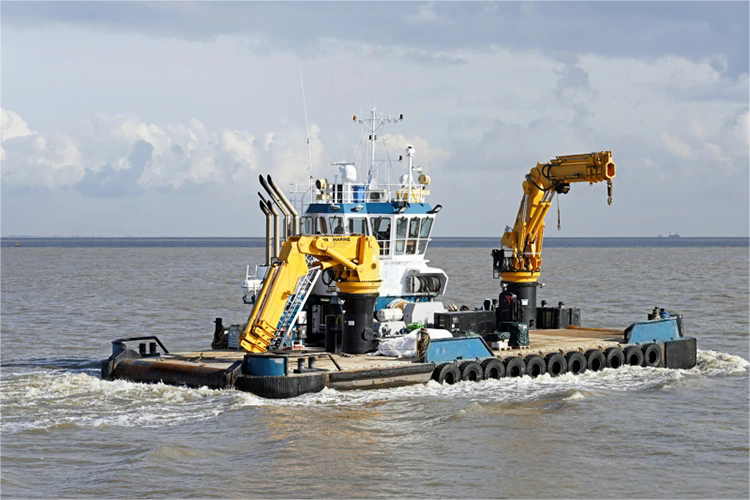
Table of Contents
- 1. Introduction to Inland River Tugboats
- 2. Key Challenges in Inland Water Transport
- 3. How Inland River Tugboats Solve These Problems
- 4. Core Features and Technical Advantages
- 5. Applications Across Industries
- 6. Choosing the Right Inland River Tugboat
- 7. Maintenance and Operational Best Practices
- 8. Comparison Table of Tugboat Types
- 9. Frequently Asked Questions
1. Introduction to Inland River Tugboats
An inland river tugboat is a specialized vessel designed to push, pull, or tow barges and other vessels along rivers, canals, and inland waterways. Unlike ocean-going tugboats, these vessels are optimized for shallow drafts, tight navigation channels, and variable water conditions.
With increasing demand for bulk transportation, inland waterways have become a strategic logistics corridor. Inland river tugboats provide the propulsion and control necessary to move heavy cargo efficiently while minimizing environmental impact.
2. Key Challenges in Inland Water Transport
Businesses operating in inland water transport frequently encounter several operational and logistical challenges:
- Limited Maneuverability: Narrow channels and sharp bends require precise vessel control.
- Shallow Water Conditions: Many waterways have fluctuating depths.
- Safety Risks: Strong currents and congested routes increase accident risks.
- High Fuel Costs: Inefficient vessels can significantly increase operating expenses.
- Heavy Cargo Handling: Moving large volumes of goods demands strong towing capacity.
These pain points directly impact delivery timelines, operational costs, and overall efficiency.
3. How Inland River Tugboats Solve These Problems
Inland river tugboats are specifically engineered to address these challenges through innovative design and technology:
- Enhanced Maneuverability: Equipped with advanced steering systems and propulsion units, allowing precise navigation.
- Shallow Draft Design: Enables operation in low-depth waterways without compromising performance.
- Powerful Engine Systems: Provides high bollard pull for towing heavy barges.
- Fuel Efficiency: Modern engines reduce fuel consumption and emissions.
- Safety Enhancements: Reinforced hull structures and advanced monitoring systems improve operational safety.
These features collectively ensure smoother operations, reduced downtime, and improved return on investment.
4. Core Features and Technical Advantages
Understanding the technical capabilities of inland river tugboats is essential for selecting the right vessel.
- Hull Structure: Designed for durability and stability in varying water conditions.
- Propulsion System: Options include conventional propellers, azimuth thrusters, and hybrid systems.
- Navigation Technology: Integrated GPS and radar systems enhance route planning and safety.
- Crew Comfort: Ergonomic cabins and control systems improve operational efficiency.
- Environmental Compliance: Built to meet modern emission and sustainability standards.
Manufacturers such as Shandong Haiding Shipbuilding Co., Ltd. incorporate these advanced features into their designs to deliver reliable and high-performance tugboats.
5. Applications Across Industries
Inland river tugboats serve a wide range of industries, making them indispensable assets in logistics and infrastructure.
- Bulk Cargo Transport: Coal, grain, sand, and minerals.
- Construction Projects: Transporting heavy equipment and materials.
- Oil and Gas: Supporting barge movement and operations.
- Port Operations: Assisting docking and vessel positioning.
- Environmental Projects: Supporting dredging and water management tasks.
Their versatility allows businesses to adapt to changing logistical demands efficiently.
6. Choosing the Right Inland River Tugboat
Selecting the appropriate tugboat requires careful consideration of several factors:
- Waterway Conditions: Depth, width, and current strength.
- Load Requirements: Type and volume of cargo to be transported.
- Engine Power: Required bollard pull and propulsion capacity.
- Fuel Efficiency: Long-term operational cost considerations.
- Customization Options: Tailored designs for specific operational needs.
Working with experienced manufacturers like Shandong Haiding Shipbuilding Co., Ltd. ensures that vessels are customized to meet exact operational requirements.
7. Maintenance and Operational Best Practices
Proper maintenance and operation are critical to maximizing the lifespan and efficiency of inland river tugboats.
- Conduct regular engine inspections and servicing.
- Monitor hull integrity to prevent structural damage.
- Train crew members on safety and navigation protocols.
- Use high-quality fuel and lubricants.
- Implement predictive maintenance systems.
These practices help reduce downtime and ensure consistent performance.
8. Comparison Table of Tugboat Types
| Type | Key Feature | Best Use Case |
|---|---|---|
| Conventional Tugboat | Standard propulsion system | General towing operations |
| Azimuth Stern Drive (ASD) | 360-degree maneuverability | Complex navigation environments |
| Push Tug | Flat bow for pushing barges | Bulk cargo transport |
| Hybrid Tugboat | Energy-efficient propulsion | Eco-friendly operations |
9. Frequently Asked Questions
Q1: What is the typical lifespan of an inland river tugboat?
A: With proper maintenance, a tugboat can operate efficiently for 20–30 years or more.
Q2: How do tugboats improve transport efficiency?
A: They enable the movement of multiple barges simultaneously, reducing the number of trips required.
Q3: Are inland tugboats environmentally friendly?
A: Modern designs focus on fuel efficiency and reduced emissions, making them more sustainable than traditional transport methods.
Q4: Can tugboats operate in shallow المياه?
A: Yes, inland river tugboats are specifically designed with shallow drafts for such conditions.
Q5: How to ensure safety during operations?
A: Regular training, equipment checks, and adherence to navigation protocols are essential.
Conclusion
Inland river tugboats are a cornerstone of efficient and reliable waterway transportation. By addressing key operational challenges and offering advanced technical capabilities, they provide a scalable solution for businesses seeking cost-effective logistics. Whether for bulk cargo, construction, or port operations, investing in a high-quality tugboat is a strategic decision that delivers long-term value.
If you are looking for a dependable inland river tugboat tailored to your specific needs, Shandong Haiding Shipbuilding Co., Ltd. offers professional design, manufacturing, and customization services. Contact us today to explore how we can support your waterway transport operations with precision-engineered solutions.