Article Abstract
Inland river tugboats are the backbone of inland waterway logistics, enabling efficient transport of barges, bulk cargo, and oversized loads across rivers, canals, and shallow waterways. This article explores how inland river tugboats operate, their key structural and functional advantages, and their role in modern supply chains. It also addresses common customer concerns such as operational efficiency, safety, fuel consumption, and vessel selection criteria, helping buyers and operators make informed decisions.
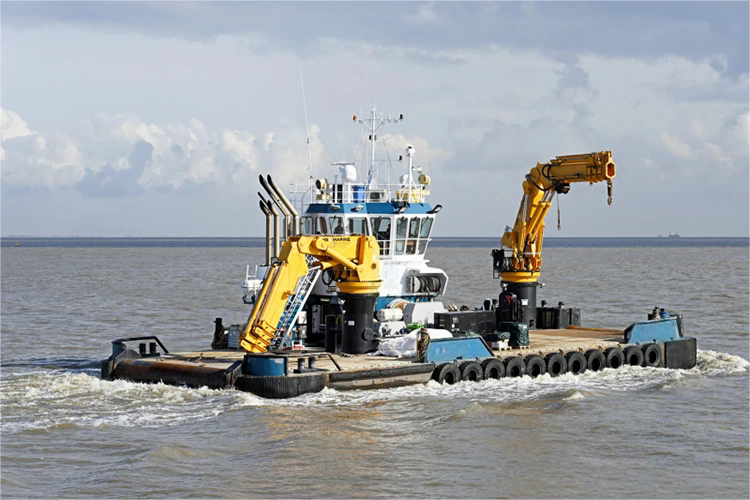
1. Overview of Inland River Tugboats
Inland river tugboats are specialized workboats designed to push or tow barges and other non-self-propelled vessels across inland waterways. Unlike ocean-going tugboats, these vessels are optimized for shallow drafts, tight navigation channels, and variable river conditions.
Their primary role is to serve as a propulsion unit for barge convoys, making them essential in bulk transportation industries such as coal, grain, steel, construction materials, and chemical logistics.
2. Working Principles and Design
The operational concept of an inland river tugboat is based on high thrust at low speed, ensuring efficient pushing power for heavy cargo loads in constrained waterways.
2.1 Core Structural Components
-
Hull Design: Flat-bottom or shallow-draft structure for river navigation
-
Propulsion System: High-torque diesel engines paired with azimuth thrusters or fixed propellers
-
Push Knees: Reinforced frontal structures for barge coupling
-
Navigation Systems: Radar, GPS, and river-current monitoring systems
-
Steering Mechanism: Enhanced maneuverability for tight bends and docking
2.2 Operating Mechanism
Tugboats operate by transferring engine power into thrust via propellers. The vessel either pushes barges directly or tows them using cables depending on convoy configuration. Push-mode is more common in inland waterways due to improved stability and control.
3. Industrial Applications
Inland river tugboats serve multiple industries that rely on cost-efficient bulk transport systems.
-
Energy Sector: Coal and fuel transportation to inland power plants
-
Agriculture: Grain and fertilizer logistics
-
Construction: Sand, gravel, cement transport
-
Manufacturing: Steel coils, machinery, and raw materials
-
Logistics: Containerized inland shipping routes
Compared with road or rail transport, inland waterways significantly reduce congestion and carbon footprint, making tugboats a strategic asset in modern logistics planning.
4. Key Advantages and Operational Value
|
Aspect
|
Benefit
|
|
Cost Efficiency
|
Lower fuel and transport cost per ton compared to road transport
|
|
High Load Capacity
|
Can move multiple barges simultaneously
|
|
Environmental Impact
|
Reduced emissions per cargo unit
|
|
Operational Stability
|
Designed for continuous long-hour operations
|
|
Infrastructure Dependence
|
Requires fewer land-based logistics facilities
|
These advantages make inland river tugboats a preferred solution for industries seeking scalable and sustainable logistics systems.
5. How to Choose the Right Tugboat
Selecting the correct inland river tugboat depends on operational requirements, waterway conditions, and cargo type.
5.1 Key Selection Factors
-
Engine Power: Determines towing capacity
-
Draft Depth: Must match river depth constraints
-
Hull Strength: Essential for heavy-duty pushing operations
-
Fuel Efficiency: Impacts long-term operational cost
-
Maneuverability: Critical for narrow waterways and docking zones
Buyers are advised to assess both short-term operational needs and long-term maintenance considerations before final selection.
6. Maintenance and Operational Efficiency
Proper maintenance ensures long service life and reduces unexpected downtime in inland river operations.
6.1 Routine Maintenance Checklist
-
Engine inspection and oil replacement
-
Propeller cleaning and alignment checks
-
Hull anti-corrosion treatment
-
Navigation system calibration
-
Fuel system monitoring
Preventive maintenance is more cost-effective than reactive repairs, especially for vessels operating under continuous load conditions.
7. Common Challenges and Solutions
Inland river tugboat operations face several environmental and technical challenges that require proactive management.
-
Low Water Levels: Requires shallow-draft designs and adaptive route planning
-
Silt and Sediment: Regular hull cleaning and propeller inspection
-
Current Variability: Advanced navigation systems for stability
-
Fuel Consumption: Optimization through engine tuning and convoy planning
8. Frequently Asked Questions
Q1: What is the main purpose of an inland river tugboat?
It is used to push or tow barges carrying bulk cargo across inland waterways such as rivers and canals.
Q2: How long can inland tugboats operate continuously?
Most modern tugboats are designed for extended operations and can run for several days with proper maintenance and fuel supply.
Q3: Are inland river tugboats fuel efficient?
Yes, they are significantly more fuel-efficient per ton of cargo compared to road transport.
Q4: What industries use inland tugboats the most?
Energy, agriculture, construction, and manufacturing industries rely heavily on them for bulk logistics.
Q5: Can tugboats operate in shallow rivers?
Yes, they are specifically designed with shallow drafts for inland navigation.
9. Conclusion and Contact Information
Inland river tugboats are essential components of modern inland logistics systems. Their ability to transport massive cargo volumes efficiently and sustainably makes them indispensable for industries relying on river-based transport networks. As global supply chains continue to optimize for cost and environmental efficiency, the demand for advanced tugboat solutions continues to grow.
Shandong Haiding Shipbuilding Co., Ltd. specializes in designing and manufacturing high-performance inland river tugboats tailored to diverse operational needs. With strong engineering capability and practical field experience, the company delivers reliable and durable vessel solutions for global clients.
If you are looking for customized inland river tugboat solutions, performance upgrades, or professional consultation, feel free to contact us today to discuss your project requirements and get expert support for your marine transportation needs.