

How Does the Maintenance Process for Marine Inflatable Rubber Fenders Impact Their Long-Term Performance
2026-04-27
Marine Inflatable Rubber Fenders are critical assets for ports, terminals, and vessel operations. Their ability to absorb kinetic energy and protect hulls and docks depends heavily on regular upkeep. When maintenance is neglected, even high-quality Marine Inflatable Rubber Fenders experience premature wear, reduced energy absorption, and higher replacement costs. SunKai, a trusted name in marine fendering solutions, emphasizes that structured maintenance directly extends operational life and ensures safety.
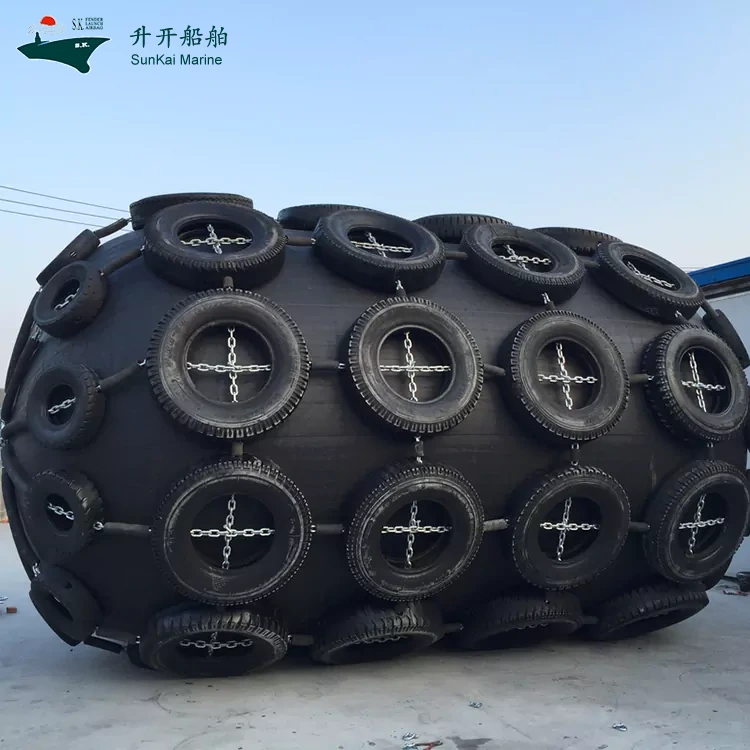
Key Maintenance Factors and Their Impact on Long-Term Performance
| Maintenance Activity | Frequency | Performance Impact |
|---|---|---|
| Visual surface inspection | Before each use | Detects cuts, abrasions, or embedded debris early |
| Air pressure check | Weekly | Prevents under-inflation (damage risk) or over-inflation (burst risk) |
| Valve and fitting cleaning | Monthly | Avoids corrosion and air leakage |
| Rotation of fender position | Every 3 months | Ensures even wear on contact surfaces |
| Full pressure test | Annually | Verifies structural integrity under load |
Proper inflation is the single most influential factor. Under-inflated Marine Inflatable Rubber Fenders compress too much, causing internal ply separation. Over-inflated units become rigid, transferring excessive force to the fender’s seams. SunKai recommends using calibrated pressure gauges and logging readings daily.
Marine Inflatable Rubber Fenders FAQ
What is the most common mistake in maintaining Marine Inflatable Rubber Fenders?
The most frequent error is ignoring minor surface damage such as small cuts or ozone cracks. Operators often assume these are cosmetic. However, UV exposure and saltwater penetration enlarge cracks rapidly, leading to air loss or sudden failure during high-compression berthing. SunKai advises immediate repair using manufacturer-approved patch kits and avoiding temporary fixes like tape or non-marine adhesives.
How often should pressure be adjusted in Marine Inflatable Rubber Fenders under extreme temperatures?
In hot climates, internal air pressure rises approximately 4-5 PSI for every 10°C increase above 20°C. In cold conditions, pressure drops similarly. Therefore, checks should be performed daily during summer and winter. Pressure should be adjusted to the midpoint of the recommended range (typically 50-60% of maximum rated pressure) to allow safe fluctuation. SunKai fenders include high-grade valves that support frequent adjustments without thread wear.
Can repaired Marine Inflatable Rubber Fenders perform like new ones?
A professionally repaired fender can restore up to 90-95% of original strength if the damage does not involve cords or plies. Repairs must follow ISO 17357 standards: cleaning the area, applying uncured rubber compound, and vulcanizing at controlled heat and pressure. However, if multiple repairs exist in the same quadrant, replacement becomes more economical. SunKai offers repair training guides and certified service centers to ensure reliable outcomes.
Best Practices for Extending Service Life
-
Document every inspection and pressure reading in a logbook.
-
Store spare Marine Inflatable Rubber Fenders away from direct sunlight and ozone sources (motors, welding equipment).
-
Use protective sleeves or net covers when berthing vessels with rough hull finishes.
-
Rotate fenders between high- and low-load berthing positions to balance fatigue.
Neglecting these steps shortens service life from a typical 8-10 years down to 3-4 years. SunKai field data shows that ports following a scheduled maintenance program reduce annual fender-related downtime by 70% and cut replacement costs by half.
Contact Us
Extend the life of your Marine Inflatable Rubber Fenders with professional support. SunKai provides inspection checklists, pressure monitoring tools, and certified repair kits tailored to your fleet size. Contact our engineering team today for a free maintenance audit and customized care plan.