

How Does Spek Anchor Improve Marine Mooring Safety?
2026-02-09
Article Abstract
A Spek Anchor is widely used in commercial shipping, offshore platforms, and marine engineering projects where reliable holding power and structural stability are critical. This article provides a comprehensive explanation of how a Spek Anchor works, what problems it solves for vessel operators and project managers, and how to select the right specifications for different seabed conditions. By examining design principles, application scenarios, performance factors, and maintenance considerations, this guide helps decision-makers reduce operational risks and improve long-term anchoring efficiency.
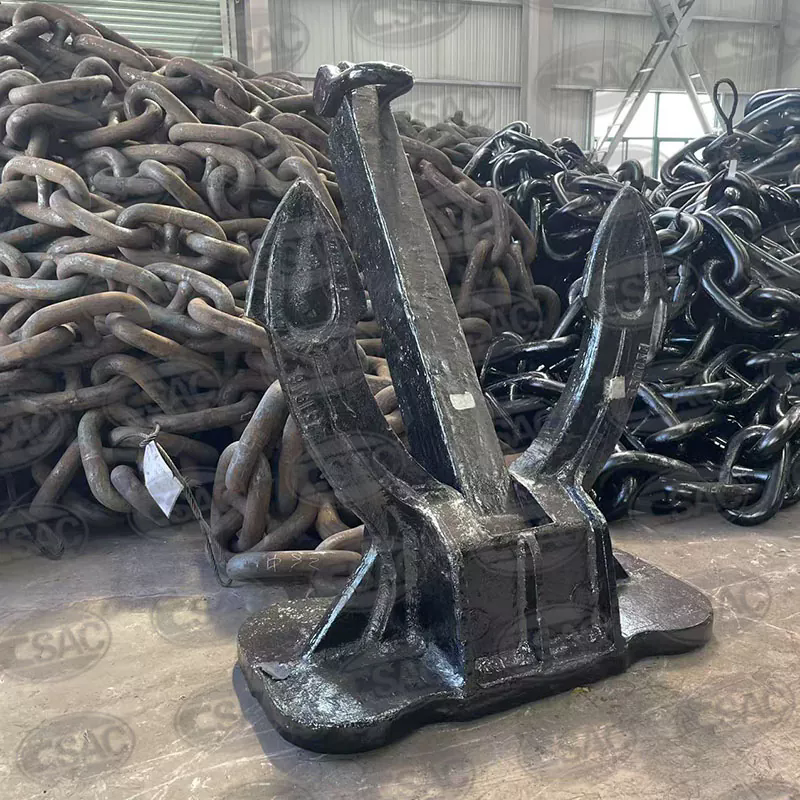
Table of Contents
- Article Outline
- What Is a Spek Anchor
- Common Mooring Challenges
- Structural Design and Working Principle
- Key Performance Advantages
- Typical Application Scenarios
- How to Choose the Right Spek Anchor
- Spek Anchor vs. Traditional Anchors
- Inspection and Maintenance Guidelines
- Frequently Asked Questions
- Conclusion and Contact
Article Outline
- Overview of Spek Anchor functionality
- Customer pain points in anchoring operations
- Design logic and load distribution principles
- Performance benefits under varying seabed conditions
- Selection criteria and operational guidance
- Maintenance and lifecycle considerations
What Is a Spek Anchor
A Spek Anchor is a high-holding-power marine anchor designed to provide strong resistance against horizontal and vertical loads. It is commonly manufactured using high-grade cast or forged steel and engineered to penetrate seabed surfaces efficiently. Compared with conventional anchors, the Spek Anchor emphasizes optimized fluke geometry and balanced weight distribution, allowing it to achieve stable embedment with reduced drag distance.
This type of anchor is particularly suitable for vessels and offshore structures that require predictable performance under changing environmental conditions such as currents, tides, and wind loads.
Common Mooring Challenges
Marine operators often face recurring issues related to anchoring performance. These challenges directly affect safety, operational efficiency, and maintenance costs.
- Insufficient holding power in soft or mixed seabeds
- Anchor dragging during sudden weather changes
- Excessive wear caused by unstable embedment
- Difficulty in deployment and retrieval
The Spek Anchor is developed to address these issues by improving seabed penetration, increasing resistance to lateral movement, and maintaining stability once set.
Structural Design and Working Principle
The effectiveness of a Spek Anchor is largely determined by its structural design. Key design elements include:
- Wide fluke surface area to increase soil resistance
- Optimized angle between shank and flukes
- Reinforced crown structure for consistent orientation
Once deployed, the anchor aligns itself under load, allowing the flukes to dig deeper into the seabed. As tension increases, holding power rises proportionally, which helps prevent sudden slippage during load spikes.
Key Performance Advantages
| Performance Aspect | Spek Anchor Benefit |
|---|---|
| Holding Power | High resistance under both static and dynamic loads |
| Seabed Adaptability | Performs well in sand, clay, and mixed substrates |
| Operational Stability | Reduced risk of dragging during weather changes |
| Service Life | Durable construction minimizes deformation and fatigue |
Typical Application Scenarios
Spek Anchors are used across a wide range of marine and offshore projects, including:
- Commercial cargo vessels and tankers
- Offshore platforms and floating structures
- Harbor mooring systems
- Engineering barges and construction vessels
Their predictable holding characteristics make them suitable for long-term mooring and temporary positioning tasks alike.
How to Choose the Right Spek Anchor
Selecting the correct Spek Anchor requires consideration of multiple operational factors:
- Vessel displacement and maximum mooring load
- Seabed soil composition and density
- Environmental conditions such as current velocity
- Chain size and compatibility
Proper sizing ensures that the anchor achieves optimal embedment without unnecessary weight, improving both safety and handling efficiency.
Spek Anchor vs. Traditional Anchors
Compared with conventional stock or stockless anchors, the Spek Anchor offers improved holding efficiency per unit weight. Traditional designs often rely on mass rather than geometry, which can lead to longer setting distances and inconsistent performance. In contrast, the Spek Anchor focuses on controlled penetration and load transfer, resulting in more reliable anchoring outcomes.
Inspection and Maintenance Guidelines
Routine inspection is essential to maintain anchor performance. Recommended practices include:
- Visual inspection for cracks or deformation
- Checking weld integrity and surface wear
- Monitoring corrosion in high-salinity environments
Proper maintenance extends service life and ensures consistent holding performance throughout the anchor’s operational lifespan.
Frequently Asked Questions
Q: Is a Spek Anchor suitable for soft seabeds?
A: Yes. Its fluke design allows effective penetration and stable holding in soft soils such as sand and clay.
Q: Can a Spek Anchor be used for long-term mooring?
A: It is commonly used for both temporary and long-term mooring due to its stable load response.
Q: How does anchor size affect performance?
A: Proper sizing ensures sufficient holding power without excessive weight, improving safety and handling efficiency.
Conclusion and Contact
Understanding how a Spek Anchor functions and how it addresses real-world mooring challenges is essential for improving marine safety and operational reliability. With its optimized structure, strong holding capability, and adaptability to various seabed conditions, the Spek Anchor remains a practical solution for demanding marine environments.
For professional guidance, technical specifications, or customized anchoring solutions, Zhoushan Zhongnan Anchor Chain Co., Ltd welcomes inquiries from global partners. Contact us today to discuss how the right Spek Anchor solution can support your next marine project.