Abstract
A River Water Intake Pumping Station is a critical infrastructure system designed to extract raw water from rivers, lakes, or reservoirs and deliver it reliably for municipal supply, industrial processing, irrigation, and power generation. This article explains its working principles, system structure, operational workflow, and key design considerations. It also addresses common operational challenges such as sediment blockage, seasonal water level fluctuations, and pump efficiency degradation. Whether you are an engineer, project contractor, or facility operator, this guide will help you understand how modern intake pumping systems ensure stable water delivery while maintaining environmental safety and operational resilience.
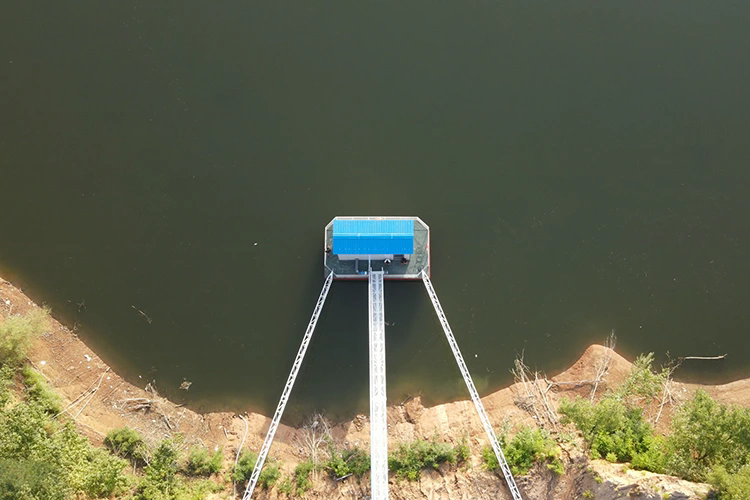
System Overview and Engineering Concept
A river water intake pumping station is engineered to perform one fundamental task: capturing raw surface water and delivering it into a controlled conveyance system. Unlike treated water systems, intake stations must handle variable water quality, debris, sediment loads, and seasonal hydraulic changes.
The system is typically positioned near a riverbank or submerged intake structure. It integrates hydraulic engineering, mechanical pumping systems, filtration devices, and electrical control units to ensure stable operation under fluctuating environmental conditions.
Core Components of Intake Pumping Station
A modern pumping station is composed of multiple subsystems working in coordination. Each component plays a specific role in ensuring safe and continuous water intake.
-
Intake Structure: Located at the river source, designed to reduce debris entry.
-
Trash Racks: Metal grids that block large solids such as branches and waste.
-
Screening System: Removes smaller particles and floating materials.
-
Pumps: The core machinery that lifts and transports water.
-
Pump House: Protective structure housing mechanical and electrical systems.
-
Pipeline Network: Transfers water to treatment plants or industrial facilities.
-
Control System: Automation units for monitoring flow, pressure, and safety conditions.
How the System Works Step by Step
The operation of a river water intake pumping station follows a structured hydraulic process designed for efficiency and safety.
-
Water Entry: River water enters the intake zone through a designed inlet structure.
-
Preliminary Filtration: Trash racks and screens remove large and medium-sized debris.
-
Collection Chamber: Water is temporarily stored in a sump or wet well.
-
Pumping Stage: Centrifugal or axial-flow pumps lift water under controlled pressure.
-
Discharge Pipeline: Water is transported to downstream treatment or storage facilities.
-
Monitoring System: Sensors track flow rate, pressure, and pump status in real time.
This continuous cycle ensures a stable water supply even during peak demand or seasonal variation.
Operational Challenges and Solutions
Despite advanced engineering, river intake pumping stations face several operational challenges that require proactive management.
-
Sediment Accumulation: Rivers carry sand and silt that can clog systems.
-
Floating Debris: Natural and human-made waste may block intake screens.
-
Seasonal Water Level Changes: Affect pump efficiency and suction stability.
-
Biofouling: Algae and biological growth reduce flow capacity.
Solutions include automated cleaning screens, adjustable intake depths, sediment flushing systems, and real-time monitoring technologies.
Design Considerations for Efficiency and Safety
Engineering a reliable pumping station requires careful consideration of hydraulic, mechanical, and environmental factors.
-
Hydraulic Efficiency: Ensuring minimal head loss in intake channels.
-
Redundancy: Installing multiple pumps for backup operation.
-
Environmental Protection: Minimizing ecological disturbance to aquatic life.
-
Structural Durability: Resistance to corrosion, flooding, and sediment wear.
-
Automation Integration: Smart controls for adaptive system performance.
A well-designed system reduces operational costs while extending service life and improving reliability.
Comparison Table: Pumping Station Types
|
Type
|
Application
|
Advantages
|
Limitations
|
|
Surface Intake Station
|
Rivers with stable flow
|
Easy maintenance, low installation cost
|
Vulnerable to debris and freezing
|
|
Submerged Intake Station
|
Deep water sources
|
Better protection from debris
|
Higher construction complexity
|
|
Floating Intake System
|
Variable water levels
|
Adaptive to seasonal changes
|
Requires anchoring and stability control
|
Maintenance Strategies
Regular maintenance is essential to ensure uninterrupted performance and extend system lifespan.
-
Routine inspection of intake screens and debris removal systems
-
Lubrication and alignment checks for pumps and motors
-
Calibration of pressure and flow sensors
-
Sediment dredging in intake channels
-
Electrical system diagnostics and backup testing
Predictive maintenance using sensor data is increasingly adopted to reduce downtime and optimize operational efficiency.
FAQ
1. What is the main purpose of a river water intake pumping station?
It is used to extract raw water from natural sources and transport it for treatment or industrial use.
2. How do intake stations prevent debris damage?
They use trash racks, screens, and automated cleaning systems to filter out solid materials.
3. Can pumping stations operate during floods?
Yes, but they must be designed with flood-resistant structures and adaptive intake controls.
4. What type of pumps are commonly used?
Centrifugal and axial-flow pumps are most common due to their high efficiency and durability.
5. How long does a pumping station last?
With proper maintenance, systems can operate reliably for 20–40 years or more.
Conclusion and Industry Insight
River water intake pumping stations are essential infrastructure systems that support urban water supply, agricultural irrigation, and industrial processes. Their design integrates hydraulic engineering, automation technology, and environmental management principles to ensure continuous and safe operation.
With increasing water demand and environmental variability, modern intake systems are evolving toward smarter, more adaptive solutions that improve resilience and reduce operational costs. Companies with engineering expertise play a vital role in advancing these systems.
Shandong Haiding is a professional provider of river water intake pumping station solutions, offering customized engineering design, manufacturing, and system integration services tailored to diverse project requirements. For reliable technical support and high-performance solutions, contact us to discuss your project needs and explore optimized water intake system configurations.