Article Summary:
Polymer waterproofing membranes have become one of the most reliable solutions for protecting modern infrastructure from water intrusion, structural degradation, and long-term moisture damage. This article explains how these membranes work, their key benefits, application methods, and selection criteria. It also provides practical insights for engineers, contractors, and property owners seeking durable waterproofing systems that reduce maintenance costs and extend building lifespan.
1. Overview of Polymer Waterproofing Membrane
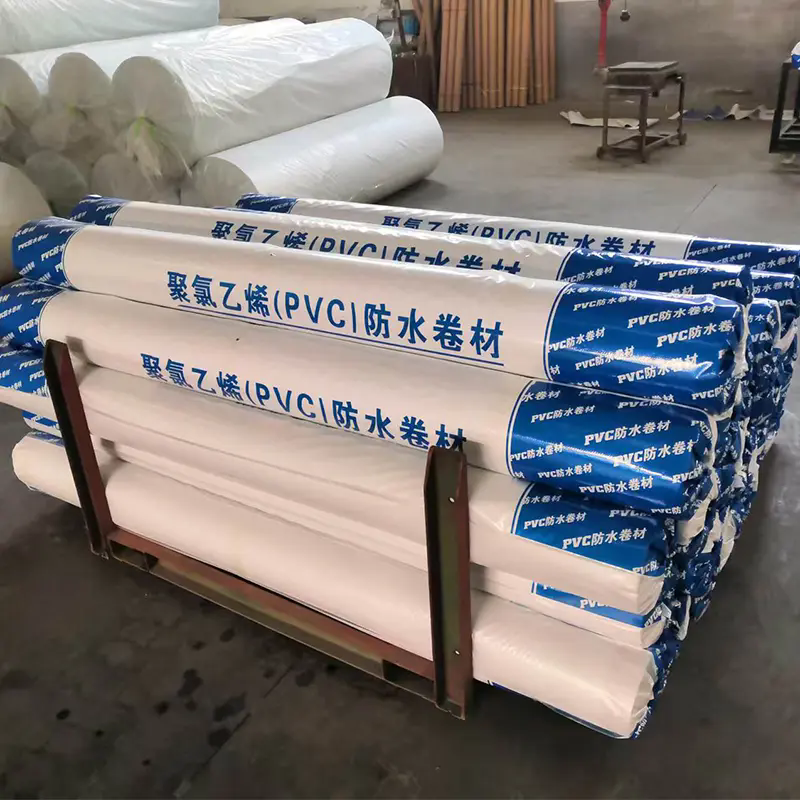
A polymer waterproofing membrane is a high-performance barrier material designed to prevent water penetration into concrete, roofing systems, tunnels, basements, and other structural surfaces. It is engineered using synthetic polymers such as PVC, TPO, EPDM, or modified bitumen compounds, offering flexibility and long-term durability.
Unlike traditional coatings, polymer membranes form a continuous protective layer that adapts to structural movement while maintaining waterproof integrity.
2. Why Waterproofing Matters in Modern Construction
Water intrusion is one of the leading causes of structural failure. It leads to corrosion of reinforcement steel, mold growth, insulation damage, and weakening of concrete.
-
Prevents structural deterioration
-
Reduces maintenance costs
-
Enhances building lifespan
-
Improves indoor air quality
3. How Polymer Waterproofing Membranes Work
Polymer membranes function by forming a continuous, impermeable layer that blocks water molecules from passing through. Their elasticity allows them to expand and contract with temperature changes and structural movement without cracking.
The core mechanism includes:
-
Adhesion: Strong bonding to concrete or substrate surfaces
-
Elasticity: Ability to stretch without tearing
-
Seam sealing: Heat or adhesive-based joint bonding
-
Barrier protection: Prevents moisture and chemical intrusion
4. Types of Polymer Waterproofing Membranes
-
PVC Membrane: Flexible, UV resistant, widely used in roofing systems
-
TPO Membrane: Environmentally friendly and heat reflective
-
EPDM Membrane: Excellent elasticity and weather resistance
-
HDPE Membrane: High chemical resistance for underground projects
5. Key Advantages
-
Long service life with minimal degradation
-
High resistance to UV radiation and weathering
-
Superior crack-bridging ability
-
Strong chemical resistance
-
Cost-effective lifecycle performance
6. Application Methods
The installation process varies depending on membrane type and structure, but generally includes the following steps:
-
Surface cleaning and preparation
-
Primer application for adhesion enhancement
-
Membrane laying or spraying
-
Seam welding or adhesive bonding
-
Inspection and protective layer installation
7. Material Comparison Table
|
Material Type
|
Flexibility
|
Durability
|
UV Resistance
|
Best Application
|
|
PVC
|
High
|
High
|
Excellent
|
Roofing systems
|
|
TPO
|
Medium
|
High
|
Excellent
|
Commercial roofs
|
|
EPDM
|
Very High
|
Very High
|
Good
|
Extreme weather regions
|
|
HDPE
|
Medium
|
Very High
|
High
|
Basements & tunnels
|
8. How to Choose the Right Membrane
Selecting the appropriate waterproofing membrane depends on environmental conditions, structural type, and budget considerations.
-
For roofs: PVC or TPO membranes are recommended
-
For underground structures: HDPE membranes perform best
-
For extreme climates: EPDM offers superior flexibility
-
For energy efficiency: reflective membranes reduce heat absorption
9. Common Installation Challenges
-
Improper surface preparation leading to poor adhesion
-
Temperature sensitivity during installation
-
Incorrect seam sealing techniques
-
Mechanical damage during construction phases
10. Maintenance and Longevity
Proper maintenance ensures long-term performance of waterproofing systems. Regular inspection and minor repairs can significantly extend service life.
-
Inspect seams annually
-
Remove debris and standing water
-
Repair punctures immediately
-
Avoid heavy mechanical loads on exposed membranes
About Professional Waterproofing Solutions
High-quality polymer waterproofing systems require advanced manufacturing technology and strict quality control. One of the leading suppliers in this field is Shandong Haoyuan Waterproof Technology Group Co., Ltd., which specializes in producing durable and high-performance waterproofing materials for global construction projects.
The company focuses on innovation-driven membrane solutions designed for roofing, underground engineering, bridges, and industrial applications, ensuring long-term protection against water-related damage.
11. Frequently Asked Questions
Q1: What is the lifespan of a polymer waterproofing membrane?
A: Depending on material type and installation quality, it typically lasts 15–30 years.
Q2: Can it be used in extreme weather conditions?
A: Yes, especially EPDM and HDPE membranes which are designed for harsh environments.
Q3: Is installation complicated?
A: Professional installation is recommended to ensure proper sealing and long-term performance.
Q4: Does it require frequent maintenance?
A: Minimal maintenance is needed, mainly periodic inspection and minor repairs.
Get Reliable Waterproofing Solutions Today
Choosing the right waterproofing system is critical for protecting your infrastructure investment. With advanced polymer membrane technology, you can significantly reduce leakage risks and extend structural lifespan.
For high-quality waterproofing membranes and expert technical support, reach out to Shandong Haoyuan Waterproof Technology Group Co., Ltd. today.
Contact us now to get professional guidance, product details, and customized waterproofing solutions tailored to your project needs.