Article Abstract
Ocean-going tugs play a critical role in modern maritime logistics, providing powerful towing and escort capabilities for large vessels, offshore structures, and complex marine operations. This article explores how ocean-going tugs operate, their core systems, design features, operational advantages, and how they solve real-world challenges faced by shipping companies, offshore energy operators, and port authorities. It also highlights key selection factors and practical considerations for businesses seeking reliable tug solutions.
Introduction to Ocean-Going Tugs
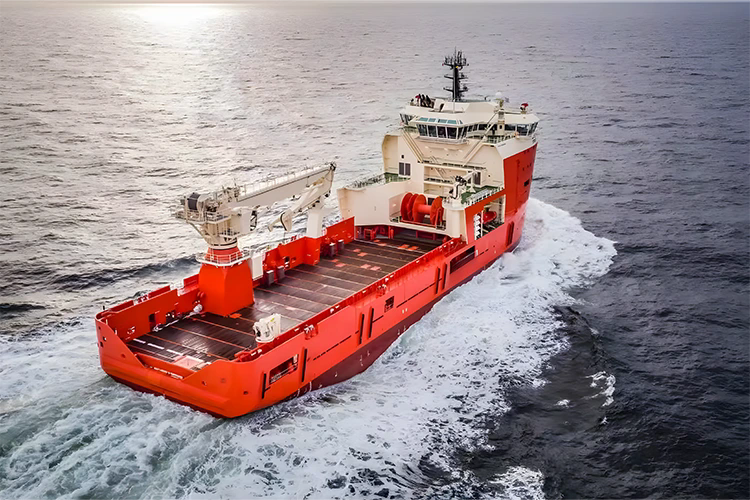
Ocean-going tugs are specialized vessels engineered for deep-sea towing, escort operations, salvage missions, and offshore support. Unlike harbor tugs that operate in confined waters, ocean-going tugs are built for endurance, high bollard pull, and long-range missions across open seas.
These vessels are essential in supporting global maritime logistics, especially when transporting oil rigs, barges, disabled ships, and heavy offshore structures across vast distances.
How Ocean-Going Tugs Operate
The operation of an ocean-going tug is based on the principle of controlled high-thrust propulsion combined with advanced navigation systems. These vessels generate enormous pulling force, known as bollard pull, which allows them to tow massive floating objects even in rough sea conditions.
-
Power Generation: High-performance diesel engines or hybrid propulsion systems generate continuous torque.
-
Propulsion System: Azimuth thrusters or controllable-pitch propellers provide 360-degree maneuverability.
-
Towing Mechanism: Heavy-duty winches and towing hooks manage tension and directional stability.
-
Navigation Systems: Integrated GPS, radar, and dynamic positioning systems ensure precise routing.
During operations, the tug connects to the target structure via towing cables or hawsers. The propulsion system maintains steady thrust while compensating for wave motion, wind resistance, and hydrodynamic drag.
Key Design Features
|
Component
|
Function
|
|
Hull Structure
|
Reinforced steel hull designed for open-sea durability and impact resistance
|
|
Engine System
|
High-output marine diesel engines for continuous towing power
|
|
Thrusters
|
Provide multidirectional control and maneuverability
|
|
Towing Winch
|
Manages cable tension and ensures safe towing operations
|
|
Navigation Suite
|
Advanced radar, AIS, and satellite communication systems
|
The structural integrity and propulsion efficiency are key differentiators that enable ocean-going tugs to operate safely in extreme marine environments.
Main Applications
Ocean-going tugs are used in a wide range of maritime industries:
-
Offshore oil and gas platform towing
-
Barge transportation across oceans
-
Salvage and rescue operations
-
Ship escort and emergency assistance
-
Heavy-lift marine construction support
Tug Types Comparison
|
Type
|
Operating Area
|
Strength
|
Limitations
|
|
Harbor Tug
|
Ports & inland waters
|
High maneuverability
|
Limited range
|
|
Ocean-Going Tug
|
Open seas
|
High endurance & towing power
|
Higher operational cost
|
|
Escort Tug
|
Coastal navigation zones
|
Safety assistance
|
Moderate towing capacity
|
Operational Advantages
-
High Bollard Pull: Enables towing of extremely heavy offshore structures.
-
Long Endurance: Capable of extended voyages without frequent refueling.
-
All-Weather Capability: Designed to operate in rough seas and adverse conditions.
-
Precision Control: Advanced thruster systems ensure stability during towing.
-
Multi-Role Functionality: Suitable for towing, escorting, and salvage tasks.
How to Choose the Right Tug
Selecting an ocean-going tug requires careful evaluation of operational needs and technical specifications. Key factors include:
-
Required bollard pull capacity
-
Operational range and fuel efficiency
-
Sea conditions and route complexity
-
Towing equipment configuration
-
Safety and compliance standards
Companies must balance performance requirements with long-term operational costs to ensure optimal investment returns.
Maintenance & Operational Efficiency
Regular maintenance is essential for ensuring reliability and safety. Key maintenance practices include engine inspections, hull cleaning, propulsion system calibration, and winch system testing.
Efficient maintenance not only extends vessel lifespan but also reduces downtime during critical maritime operations.
Frequently Asked Questions
1. What is the main purpose of an ocean-going tug?
It is primarily used for towing large vessels and offshore structures across open seas.
2. How powerful is an ocean-going tug?
Power varies, but many can generate extremely high bollard pull suitable for heavy offshore operations.
3. Can ocean-going tugs operate in storms?
Yes, they are designed for rough sea conditions with reinforced hulls and stability systems.
4. What fuels do they use?
Most use marine diesel engines, though hybrid and eco-friendly systems are emerging.
Conclusion
Ocean-going tugs are indispensable assets in global maritime logistics, offering unmatched towing power, endurance, and versatility. Their engineering sophistication enables safe and efficient transport of massive marine structures across the world’s oceans.
Shandong Haiding Shipbuilding Co., Ltd. specializes in designing and manufacturing high-performance marine vessels, including advanced ocean-going tug solutions tailored to diverse operational needs.
For customized solutions, technical consultation, or detailed product specifications, contact us today and explore how our expertise can support your maritime operations.