

How Does an Ocean-Going Tug Support Safe and Efficient Maritime Operations?
2026-08-20
Article Summary:
Ocean-going tugs play a critical role in modern maritime transportation by providing powerful towing, escorting, and emergency assistance capabilities across oceans and challenging marine environments. This article explains how an Ocean-Going Tug works, why it is essential for offshore operations, ports, and heavy marine transportation, and how businesses can choose the right tug solution for demanding applications. With advanced design, strong propulsion systems, and reliable operational performance, ocean-going tugs help improve safety, efficiency, and flexibility in global shipping activities.
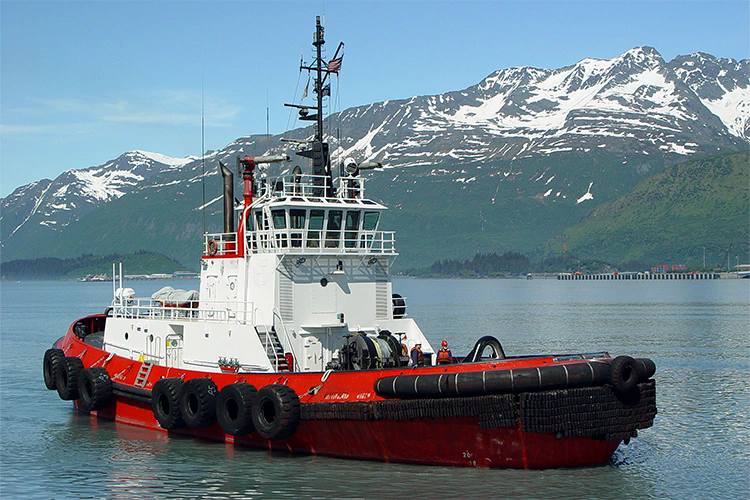
Table of Contents
- What Is an Ocean-Going Tug?
- Why Are Ocean-Going Tugs Important in Maritime Operations?
- How Does an Ocean-Going Tug Work?
- Key Features of a Reliable Ocean-Going Tug
- Main Applications of Ocean-Going Tugs
- How to Choose the Right Ocean-Going Tug?
- Maintenance Considerations for Long-Term Performance
- Frequently Asked Questions
What Is an Ocean-Going Tug?
An Ocean-Going Tug is a specialized marine vessel designed to provide high-power towing, pushing, and assistance services for large ships, offshore structures, and heavy floating equipment. Unlike conventional harbor tugs that mainly operate in ports and coastal areas, ocean-going tugs are built to withstand long-distance voyages, severe weather conditions, and complex offshore environments.
These vessels are equipped with powerful engines, advanced navigation systems, reinforced hull structures, and high towing capacity. Their primary mission is to move or support vessels and marine structures that cannot travel independently or require additional power during transportation.
For industries such as offshore engineering, ship transportation, marine construction, and energy development, selecting a dependable tug vessel is essential. A well-designed Ocean-Going Tug can significantly reduce operational risks while improving transportation efficiency.
Why Are Ocean-Going Tugs Important in Maritime Operations?
Global maritime transportation depends on reliable support vessels. Large cargo ships, offshore platforms, floating cranes, and other marine facilities often require assistance during movement, installation, or emergency situations.
Ocean-going tugs provide several important benefits:
| Function | Operational Benefits |
|---|---|
| Heavy Towing | Allows transportation of large vessels and offshore structures over long distances. |
| Emergency Assistance | Provides rescue and stabilization support during mechanical failures or harsh weather. |
| Offshore Support | Helps move floating equipment, platforms, and marine construction materials. |
| Ship Escort | Improves navigation safety in difficult waters and high-risk areas. |
Without powerful tug support, many large-scale marine projects would face higher costs, longer schedules, and increased safety challenges. Ocean-going tugs provide the additional power and control required for complex maritime operations.
How Does an Ocean-Going Tug Work?
The operation of an Ocean-Going Tug depends on several integrated systems that work together to generate pulling force, maintain stability, and ensure safe navigation.
The main working process includes:
- Power Generation: High-performance marine engines generate the power required for towing and propulsion.
- Propulsion Control: Propeller systems or advanced propulsion units convert engine power into controlled movement.
- Towing Connection: Strong towing equipment, including winches, cables, and towing hooks, connects the tug with the assisted vessel.
- Navigation Management: Modern communication and navigation systems help operators maintain accurate positioning during operations.
The captain and crew carefully calculate towing speed, weather conditions, vessel weight, and ocean currents before beginning operations. This ensures safe movement and prevents unnecessary stress on both the tug and the assisted structure.
Key Features of a Reliable Ocean-Going Tug
A high-quality Ocean-Going Tug must combine strength, durability, and advanced marine technology. Different projects may require different specifications, but several features are commonly essential.
| Feature | Why It Matters |
|---|---|
| Powerful Engine System | Provides sufficient thrust for towing heavy loads in demanding environments. |
| Strong Hull Structure | Improves durability when operating in rough seas and long-distance routes. |
| High Bollard Pull Capacity | Determines the tug's ability to move heavy vessels and equipment. |
| Advanced Navigation Equipment | Supports accurate positioning and safer marine operations. |
| Reliable Crew Facilities | Ensures long-duration offshore operation capability. |
Shandong Haiding Shipbuilding Co., Ltd. focuses on developing marine solutions that meet practical operational requirements. By combining engineering experience with modern shipbuilding technologies, the company provides reliable vessel solutions designed for professional maritime applications.
Main Applications of Ocean-Going Tugs
Ocean-going tugs serve a wide range of industries because of their flexibility and strong operational capability.
- Offshore Engineering Projects: Used for transporting and positioning offshore platforms, construction equipment, and floating facilities.
- Ship Transportation: Supports the movement of damaged vessels, newly built ships, and large marine structures.
- Port and Coastal Assistance: Provides additional power for large vessels entering or leaving challenging areas.
- Emergency Rescue Operations: Helps prevent marine accidents by assisting vessels experiencing mechanical problems.
- Marine Construction: Supports installation work involving heavy equipment and floating structures.
The versatility of ocean-going tugs makes them valuable assets for companies involved in international shipping, offshore energy, and marine infrastructure development.
How to Choose the Right Ocean-Going Tug?
Choosing the correct tug requires careful consideration of operational requirements, environmental conditions, and long-term business goals.
Important evaluation factors include:
| Selection Factor | Questions to Consider |
|---|---|
| Towing Capacity | Can the tug provide enough pulling force for the intended workload? |
| Operating Area | Will the vessel operate offshore, coastal, or in extreme weather conditions? |
| Fuel Efficiency | Does the propulsion system support economical long-term operation? |
| Maintenance Requirements | Are spare parts and technical support easily available? |
| Safety Systems | Does the vessel include modern protection and emergency features? |
A professional shipbuilding partner can help customers select suitable specifications based on project requirements instead of simply choosing the largest available vessel.
Maintenance Considerations for Long-Term Performance
Regular maintenance is essential for keeping an Ocean-Going Tug reliable throughout its service life. Because these vessels operate under heavy loads and challenging marine conditions, preventive maintenance helps avoid unexpected downtime.
- Inspect engines and propulsion systems regularly.
- Check towing equipment for wear and structural damage.
- Maintain navigation and communication systems.
- Monitor hull condition to prevent corrosion issues.
- Follow professional inspection schedules.
Proper maintenance not only extends vessel lifespan but also improves safety and reduces operational costs.
Frequently Asked Questions
Q1: What is the main purpose of an Ocean-Going Tug?
An Ocean-Going Tug is mainly used for towing, pushing, escorting, and supporting large vessels or offshore structures that require additional power and control.
Q2: How is an ocean-going tug different from a harbor tug?
A harbor tug mainly operates in ports and nearby waters, while an ocean-going tug is designed for longer voyages, stronger weather conditions, and more demanding offshore tasks.
Q3: What determines the towing ability of a tug?
The towing capability mainly depends on engine power, propulsion design, hull structure, and bollard pull performance.
Q4: Why is vessel design important for ocean-going operations?
Proper vessel design improves stability, fuel efficiency, safety, and operational reliability when working in unpredictable marine environments.
Q5: How can companies find a suitable Ocean-Going Tug manufacturer?
Companies should evaluate shipbuilding experience, technical capability, customization options, and after-sales support when selecting a reliable supplier.
Conclusion
Ocean-going tugs are essential vessels that support safe and efficient maritime transportation across global waters. Their powerful propulsion systems, durable structures, and flexible operational capabilities make them indispensable for offshore projects, ship assistance, and heavy marine transportation.
Choosing a dependable Ocean-Going Tug requires understanding project requirements, operating environments, and long-term performance expectations. With professional shipbuilding expertise and customer-focused solutions, Shandong Haiding Shipbuilding Co., Ltd. is committed to delivering reliable marine equipment for challenging maritime applications.
If you are looking for a customized Ocean-Going Tug solution with excellent performance, durability, and professional support, please contact us today. Our team is ready to provide suitable shipbuilding solutions to meet your specific operational needs.