

How Does an Ocean-Going Tug Support Safe and Efficient Marine Operations?
2026-08-18
Article Summary
Ocean-going tugs play a critical role in modern maritime transportation by providing powerful towing, emergency assistance, offshore support, and vessel maneuvering capabilities across challenging sea conditions. Unlike conventional harbor tugs that mainly operate in limited port areas, ocean-going tugs are designed for long-distance missions, extreme weather environments, and demanding marine projects.
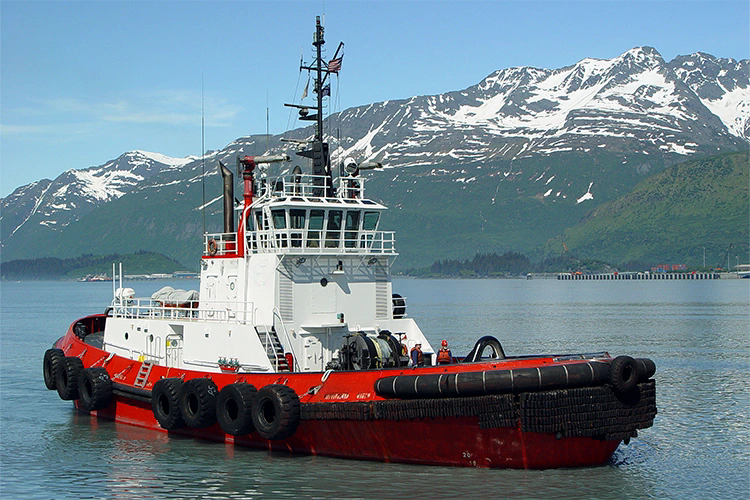
This article explains how ocean-going tugs work, why they are essential for offshore and marine industries, what challenges buyers should consider when selecting a reliable vessel, and how professional shipbuilders such as HAIDING SHIPYARD develop solutions for different operational requirements.
Table of Contents
- 1. What Is an Ocean-Going Tug?
- 2. How Does an Ocean-Going Tug Work?
- 3. What Features Make Ocean-Going Tugs Reliable?
- 4. What Problems Can Ocean-Going Tugs Solve?
- 5. How to Choose the Right Ocean-Going Tug?
- 6. Why Choose HAIDING SHIPYARD for Ocean-Going Tug Solutions?
- 7. Frequently Asked Questions
1. What Is an Ocean-Going Tug?
An ocean-going tug is a specialized marine vessel engineered to tow, push, escort, and support other vessels or offshore structures over long distances. It is built with high endurance, strong propulsion systems, reinforced hull structures, and advanced navigation equipment to operate safely beyond coastal waters.
Unlike ordinary towing vessels used inside ports, ocean-going tugs must withstand unpredictable marine environments including strong waves, heavy winds, and extended offshore voyages. Their primary mission is to provide controlled pulling force and reliable assistance when large vessels, floating structures, barges, or damaged ships cannot operate independently.
Modern ocean-going tugs are widely used in offshore engineering projects, ship relocation, salvage operations, energy infrastructure transportation, and marine construction activities. Tug vessels provide external power and directional control, helping complete tasks that require precision and strength.
| Type of Tug | Main Application | Operating Environment |
|---|---|---|
| Harbor Tug | Port maneuvering and docking assistance | Ports and sheltered waters |
| Ocean-Going Tug | Long-distance towing and offshore support | Open seas and challenging conditions |
| Salvage Tug | Emergency rescue and damaged vessel recovery | Offshore emergency environments |
| Escort Tug | Ship control and navigation assistance | Busy waterways and coastal routes |
2. How Does an Ocean-Going Tug Work?
The operation of an ocean-going tug depends on the cooperation of propulsion systems, towing equipment, navigation technology, and experienced crews. The tug generates powerful thrust through its engines and propellers, creating the force required to move another vessel or offshore structure.
The towing process usually begins with connecting the tug and the target vessel through specialized towing equipment, including towing wires, winches, hooks, and connection systems. Once secured, the tug controls speed, direction, and towing tension throughout the voyage.
A major performance indicator of a tug is bollard pull, which represents the maximum pulling force generated by the vessel at zero speed. Higher bollard pull allows the tug to handle heavier vessels and more demanding offshore tasks.
- Powerful marine engines provide continuous propulsion.
- Towing winches manage pulling force and cable operation.
- Navigation systems improve route safety.
- Reinforced hull structures improve durability.
- Advanced communication equipment supports offshore coordination.
For long-distance marine transportation, reliability is essential because towing operations may last several days or even weeks. Any equipment failure can result in significant delays, safety risks, and financial losses.
3. What Features Make Ocean-Going Tugs Reliable?
A professional ocean-going tug requires more than a powerful engine. Every component must be designed for continuous operation under demanding marine conditions.
| Key Component | Function | Benefit |
|---|---|---|
| High-Power Propulsion System | Generates towing force | Improves operational capability |
| Strong Hull Design | Resists waves and impact | Enhances vessel lifespan |
| Towing Equipment | Connects and controls loads | Improves towing safety |
| Navigation Systems | Supports route planning | Reduces operational risks |
| Fuel-Efficient Design | Optimizes energy consumption | Lowers operating costs |
Another important factor is crew safety. Ocean-going tugs often operate far away from shore, meaning the vessel must include suitable living facilities, emergency equipment, and reliable onboard systems for extended missions.
4. What Problems Can Ocean-Going Tugs Solve?
Many marine industries face challenges involving transportation, vessel limitations, and offshore risks. Ocean-going tugs provide practical solutions for these complex situations.
- Moving Large Offshore Structures: Offshore platforms, floating equipment, and oversized barges often require specialized towing support.
- Emergency Vessel Assistance: Disabled vessels may need immediate towing support to avoid further damage or environmental hazards.
- Long-Distance Transportation: Ocean-going tugs allow safe relocation of marine assets between distant locations.
- Marine Construction Support: Construction projects often depend on towing vessels to position equipment accurately.
- Harsh Weather Operations: Strong hull structures and powerful propulsion systems help maintain stability in difficult conditions.
Without dependable towing solutions, marine projects may experience increased downtime, higher costs, and greater safety concerns. Selecting the correct tug design is therefore a key decision for operators.
5. How to Choose the Right Ocean-Going Tug?
Choosing an ocean-going tug requires careful evaluation of operational requirements. Different projects require different levels of power, endurance, and equipment configuration.
| Selection Factor | Important Consideration |
|---|---|
| Towing Capacity | Match bollard pull with project requirements |
| Operating Distance | Consider voyage length and fuel capacity |
| Sea Conditions | Select suitable hull and stability design |
| Equipment Configuration | Check winches, towing systems, and support facilities |
| Maintenance Support | Ensure long-term service availability |
Buyers should also consider shipyard experience, manufacturing quality, customization ability, and after-sales support. A reliable shipbuilder can help optimize vessel design according to specific operational environments.
6. Why Choose HAIDING SHIPYARD for Ocean-Going Tug Solutions?
HAIDING SHIPYARD focuses on providing professional marine vessel solutions with strong attention to engineering quality, operational reliability, and customer requirements. The company understands that every marine project has different challenges, from offshore transportation demands to special towing conditions.
By combining practical shipbuilding experience with modern marine design concepts, HAIDING SHIPYARD develops ocean-going tug solutions that support efficient and safe operations. Each vessel can be designed according to project requirements, including towing performance, structural strength, equipment arrangement, and working environment.
- Customized vessel design based on customer applications.
- Reliable construction standards for demanding marine environments.
- Professional engineering support throughout the project.
- Solutions suitable for offshore and ocean transportation tasks.
For companies requiring dependable marine transportation and towing capability, working with an experienced shipyard can significantly improve project efficiency and reduce operational risks.
7. Frequently Asked Questions
Q1: What is the main purpose of an ocean-going tug?
An ocean-going tug is mainly used for long-distance towing, offshore support, vessel assistance, salvage operations, and transportation of floating structures.
Q2: How is an ocean-going tug different from a harbor tug?
A harbor tug is designed mainly for short-distance port operations, while an ocean-going tug is built for extended voyages and challenging sea conditions.
Q3: What determines the towing capability of a tug?
The main factors include engine power, propulsion system design, hull structure, and bollard pull capacity.
Q4: Can ocean-going tugs be customized?
Yes. Professional shipyards can customize vessel specifications according to towing requirements, working environments, and customer applications.
Q5: Why is shipyard experience important when purchasing a tug?
Experienced shipbuilders understand marine engineering requirements and can provide safer, more efficient, and more reliable vessel solutions.
Conclusion
Ocean-going tugs are essential assets for modern maritime industries, providing the strength, flexibility, and reliability needed for complex marine operations. From offshore construction support to emergency towing missions, these vessels help ensure safer and more efficient transportation across the world's oceans.
Choosing the right vessel partner is critical for achieving long-term operational success. With professional engineering capabilities and customized shipbuilding solutions, HAIDING SHIPYARD is committed to delivering dependable ocean-going tug solutions for global marine applications.
If you are looking for a reliable ocean-going tug solution tailored to your project requirements, please contact us today and let HAIDING SHIPYARD provide professional support for your marine operations.