

How Does an End Shackle Improve Maritime and Industrial Operations?
2026-01-26
Article Abstract
End shackles are vital components in maritime, offshore, and industrial lifting operations, providing secure connections between chains, ropes, and anchor systems. This article explores the design, material composition, load-bearing capabilities, and practical applications of end shackles, helping professionals understand the selection criteria and installation standards to ensure operational safety and efficiency. Technical parameters, industry practices, and frequently asked questions are presented to guide informed decision-making.
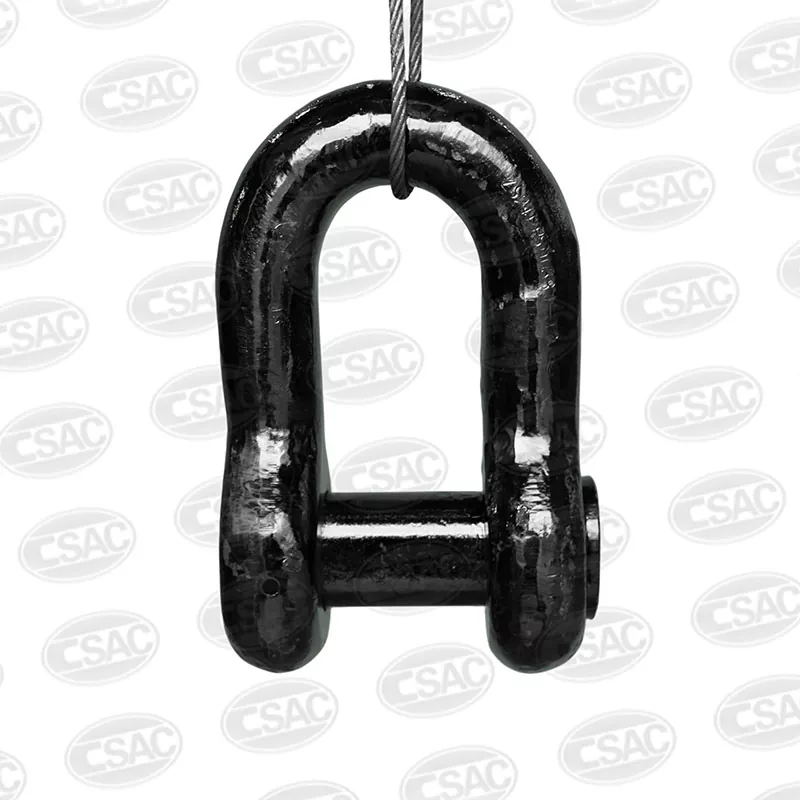
Table of Contents
- Article Outline
- End Shackle Overview and Purpose
- Types and Structural Variants
- Technical Specifications and Material Considerations
- Application Scenarios and Installation Practices
- End Shackle FAQ
- Conclusion and Contact Information
Article Outline
- Introduction to end shackle functions and industrial significance
- Classification by type, material, and load rating
- Technical parameters, including dimension tables and performance standards
- Practical applications across marine, offshore, and industrial projects
- Installation best practices and safety considerations
- FAQ addressing common operational and selection queries
- Company reference and contact guidance
End Shackle Overview and Purpose
An end shackle is a mechanical fastener used to join chains, ropes, or wire assemblies securely. Its primary function is to provide a reliable connection point that can endure heavy loads, vibrations, and dynamic stresses in maritime, offshore, and industrial environments. End shackles are critical for lifting, towing, mooring, and anchoring operations where structural integrity and safety are paramount.
Manufactured to stringent quality standards, end shackles facilitate easy assembly and disassembly without compromising strength. They support a wide range of operations, from anchoring vessels and securing heavy equipment to rigging in construction and offshore oil platforms.
Types and Structural Variants
End shackles are classified based on design, pin mechanism, and load application. Understanding the structural variant is essential for ensuring safe operation and compatibility with different systems.
- Anchor Shackles: U-shaped with a removable pin, suitable for static load applications
- Chain Shackles: Designed specifically to connect chain links securely
- Bolt-Type Shackles: Feature a threaded pin for high-load fastening
- Round Pin Shackles: Traditional design with a cylindrical pin for versatile use
- Safety Pin Shackles: Include an additional cotter pin for preventing accidental disassembly
Each type is engineered for particular load conditions, material compatibility, and environmental resilience. Selecting the correct shackle type ensures operational efficiency and reduces the risk of structural failures.
Technical Specifications and Material Considerations
Technical specifications define the operational limits and safety ratings of end shackles. These parameters guide proper selection based on load, environmental exposure, and regulatory compliance.
| Parameter | Specification Range |
|---|---|
| Material | High-Strength Alloy Steel, Stainless Steel |
| Surface Treatment | Galvanized, Hot-Dip Coating, Corrosion-Resistant Paint |
| Working Load Limit (WLL) | 0.5 Ton – 50 Ton |
| Breaking Strength | Up to 5× WLL |
| Pin Type | Threaded, Bolt, Safety Pin |
| Operating Temperature | -40°C to +200°C |
| Design Lifetime | 10–25 Years |
Material selection and treatment significantly affect the shackle's resistance to corrosion, fatigue, and deformation under dynamic loading conditions. Compliance with international standards such as ASTM, ISO, and DNV ensures reliability in marine and industrial environments.
Application Scenarios and Installation Practices
End shackles are deployed in a variety of demanding environments where secure connections are required. Key application scenarios include:
- Marine anchoring and mooring systems
- Offshore oil rig lifting operations
- Industrial hoisting and rigging in construction and mining
- Towing and securing cargo in shipping vessels
- Safety-critical applications in offshore renewable energy installations
Proper installation involves verifying load ratings, ensuring pin alignment, applying the correct torque, and inspecting for wear and corrosion. Regular maintenance and inspection schedules are critical for extending service life and preventing operational failures.
End Shackle FAQ
Q: How do I choose the correct end shackle for heavy lifting?
A: Select a shackle with a working load limit that exceeds the maximum load. Consider the type, pin design, and material compatibility with the application environment.
Q: Can end shackles be used in saltwater environments?
A: Yes, but stainless steel or hot-dip galvanized shackles are recommended to resist corrosion and maintain mechanical integrity under continuous exposure to saltwater.
Q: How often should shackles be inspected for safety?
A: Inspections should be conducted before each use and periodically based on usage intensity. Look for signs of wear, deformation, or corrosion and replace any compromised components immediately.
Conclusion and Contact Information
End shackles are indispensable for ensuring secure connections in maritime, offshore, and industrial operations. Understanding their types, material properties, load capacities, and installation standards is critical for operational safety and efficiency. Selecting high-quality end shackles reduces the risk of equipment failure and enhances performance in demanding environments.
Zhoushan Zhongnan Anchor Chain Co., Ltd offers a comprehensive range of end shackles designed for marine and industrial applications, combining strength, durability, and corrosion resistance. For project inquiries, technical specifications, or customized solutions, please contact us to discuss your requirements and secure the most reliable end shackle solutions for your operations.