

How Does a Split Hopper Barge Improve Marine Material Handling?
2026-03-30
Abstract: Split hopper barges have revolutionized dredging and marine material transport by combining efficiency, safety, and environmental compliance. This article explores the design, functionality, advantages, and practical considerations of split hopper barges, providing insights for shipping companies, port authorities, and marine contractors looking to optimize operations and reduce costs.
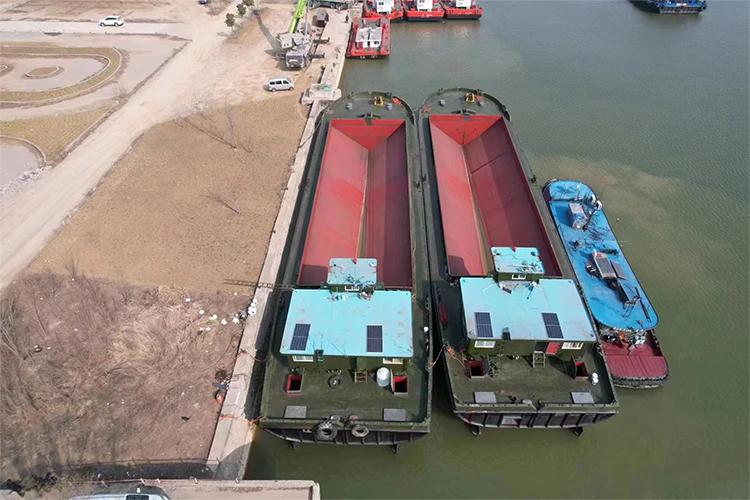
Table of Contents
- Introduction
- Design and Structure
- Operating Principles
- Advantages of Split Hopper Barges
- Maintenance and Safety Considerations
- Case Study
- FAQ
- Conclusion
Introduction
The marine industry faces continuous challenges in transporting dredged materials efficiently. Traditional barges often struggle with time-consuming unloading processes and environmental compliance. The split hopper barge addresses these issues by integrating a unique split-bottom design that allows for rapid discharge and minimal operational downtime. Companies like Shandong Haiding Shipbuilding Co., Ltd. specialize in these vessels, offering customized solutions to meet diverse project needs.
Design and Structure
Split hopper barges are engineered for precision and durability. Their primary features include:
- Split Bottom Hull: Two large hydraulically operated doors at the bottom of the hull allow for simultaneous dumping of materials, reducing unloading time dramatically.
- Reinforced Hull: Designed to withstand heavy loads of dredged sand, gravel, or rock.
- Hydraulic Systems: Enable precise control of the split doors and ensure safe material discharge.
- Deck Layout: Optimized for crew safety and equipment operation, providing easy access to maintenance points.
Below is a typical specification table for a medium-sized split hopper barge:
| Parameter | Specification |
|---|---|
| Length | 80–120 meters |
| Beam | 18–25 meters |
| Draft | 4–6 meters |
| Load Capacity | 5,000–15,000 tons |
| Split Doors | Hydraulically operated, 2 sections |
Operating Principles
Understanding the operation of a split hopper barge is crucial for optimizing efficiency. The process includes:
- Loading: Materials such as dredged sand or rock are loaded via crane, dredger, or conveyor systems.
- Transportation: The vessel moves to the disposal site, maintaining stability even when fully loaded.
- Unloading: Hydraulic split doors open simultaneously, allowing materials to fall directly into the water or onto a pre-designated site.
- Return: The barge returns empty or with residual materials for the next cycle.
This method minimizes human labor, reduces unloading time, and ensures environmental compliance by controlling sediment dispersal.
Advantages of Split Hopper Barges
Investing in a split hopper barge offers multiple benefits for marine operations:
- Time Efficiency: Rapid unloading allows multiple trips per day.
- Cost Reduction: Lower labor and fuel consumption compared to conventional barges.
- Environmental Compliance: Controlled sediment release reduces ecological disruption.
- Operational Safety: Minimal crew exposure to hazardous material handling.
- Customizability: Can be tailored to specific dredging projects, with different load capacities and hull designs.
Maintenance and Safety Considerations
To ensure longevity and safety of split hopper barges, companies must follow strict maintenance protocols:
- Regular inspection of hydraulic systems for leaks or wear.
- Hull integrity checks to prevent structural failures.
- Routine lubrication of split-door mechanisms.
- Compliance with maritime safety regulations, including load line and stability assessments.
- Training crew in emergency procedures for hydraulic or mechanical failures.
Proper maintenance reduces downtime, ensures safety, and extends the operational lifespan of the barge.
Case Study
Shandong Haiding Shipbuilding Co., Ltd. recently delivered a series of split hopper barges for a large-scale dredging project in Southeast Asia. Key outcomes included:
- Efficiency: Unloading time decreased by 60% compared to traditional barges.
- Cost Savings: Fuel and labor expenses dropped by approximately 20% per project cycle.
- Environmental Impact: Sediment dispersal was precisely controlled, avoiding harm to nearby coral reefs.
This case demonstrates the practical advantages of investing in modern split hopper barge technology.
FAQ
Q1: What materials can a split hopper barge handle?
A1: Commonly sand, gravel, rocks, dredged silt, and other non-hazardous dredged materials.
Q2: How quickly can the split doors unload cargo?
A2: Depending on the vessel size, full discharge can occur in 5–15 minutes, significantly faster than conventional barges.
Q3: Are split hopper barges suitable for shallow waters?
A3: Yes, they are designed with adjustable drafts to navigate shallow ports or river mouths while maintaining stability.
Q4: Who manufactures split hopper barges?
A4: Leading manufacturers include Shandong Haiding Shipbuilding Co., Ltd., known for custom designs and quality marine engineering.
Conclusion
Split hopper barges are a game-changer for dredging and marine material transport. Their unique design improves operational efficiency, reduces costs, and ensures safer, environmentally responsible handling of bulk materials. For companies looking to modernize their fleet or execute large-scale projects efficiently, investing in a split hopper barge from Shandong Haiding Shipbuilding Co., Ltd. offers a reliable solution. To explore our product range and request a consultation, contact us today and discover how our barges can elevate your marine operations.