

How Does a Sectional Dredger Improve Efficiency in Modern Dredging Projects?
2026-07-16
Article Summary
Dredging projects often face challenges such as limited transportation access, complex working environments, high operating costs, and difficulties in mobilizing large equipment. A Sectional Dredger provides an innovative solution by combining modular design, flexible transportation, and efficient dredging performance. This article explains how sectional dredgers work, why they are increasingly used in marine, river, and infrastructure projects, and how they help contractors overcome common dredging difficulties.
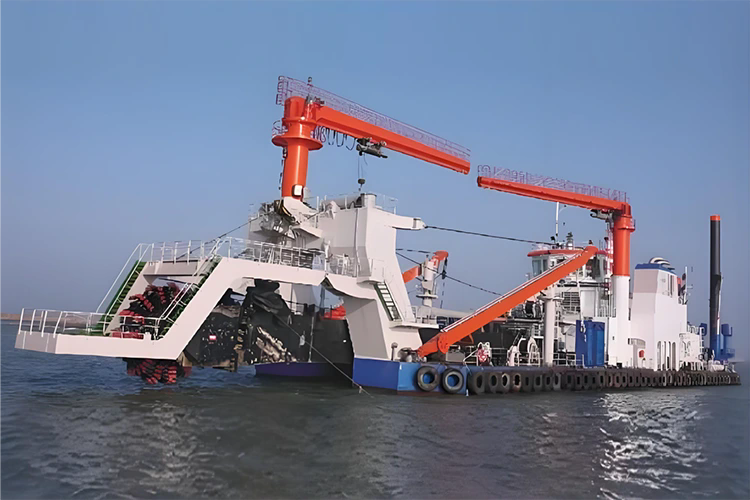
With years of experience in shipbuilding and marine equipment manufacturing, Shandong Haiding Shipbuilding Co., Ltd. develops practical dredging solutions designed to meet different project requirements. Understanding the advantages, applications, and selection factors of sectional dredgers can help businesses choose the right equipment for improving productivity and reducing project risks.
Table of Contents
- What Is a Sectional Dredger?
- Why Are Traditional Dredging Methods Challenging?
- How Does a Sectional Dredger Work?
- What Are the Main Advantages of Sectional Dredgers?
- Where Can Sectional Dredgers Be Applied?
- How to Choose the Right Sectional Dredger?
- Maintenance Tips for Long-Term Performance
- Frequently Asked Questions
Article Outline
- Understanding the structure and operating principle of sectional dredgers
- Analyzing common problems in conventional dredging operations
- Exploring the benefits of modular dredging equipment
- Discovering application areas and project solutions
- Learning how to select and maintain dredging equipment
What Is a Sectional Dredger?
A Sectional Dredger is a modular dredging vessel designed with detachable sections that can be assembled, transported, and operated according to project requirements. Unlike traditional dredgers that require large transportation facilities and fixed working locations, sectional dredgers can be separated into individual modules, allowing easier movement between different job sites.
The modular structure usually includes components such as the hull sections, dredging system, power unit, control system, and supporting equipment. Each part is engineered to work together after assembly, creating a complete dredging platform capable of handling various underwater excavation tasks.
This flexible design makes sectional dredgers especially suitable for projects located in remote areas, inland waterways, reservoirs, ports, and construction zones where transportation limitations are common.
Why Are Traditional Dredging Methods Challenging?
Dredging is an essential process for maintaining waterways, developing ports, and supporting infrastructure construction. However, traditional dredging operations often encounter several obstacles that affect efficiency and project costs.
- Difficult transportation: Large conventional dredgers may require special ships, heavy equipment, and complicated logistics to reach project locations.
- Limited working environments: Some rivers, lakes, and coastal areas cannot accommodate oversized dredging vessels.
- High mobilization costs: Moving and installing large dredging equipment can significantly increase project expenses.
- Low operational flexibility: Fixed-size dredgers may not adapt well to changing project conditions.
- Maintenance challenges: Complex structures can require longer repair periods and higher maintenance costs.
These challenges have encouraged contractors to seek more adaptable dredging solutions. A Sectional Dredger addresses these problems through modular construction and improved mobility.
How Does a Sectional Dredger Work?
A Sectional Dredger operates through a combination of dredging mechanisms, pumping systems, and modular vessel structures. Before operation, the individual sections are transported to the project site and assembled into a complete dredging platform.
During dredging operations, the cutter head or suction system removes underwater materials such as sand, mud, clay, and sediment. The dredged materials are then transported through pipelines or other discharge systems to designated locations.
- Modular assembly: Individual sections are connected to create a stable floating platform.
- Dredging operation: The dredging mechanism removes underwater sediment efficiently.
- Material transportation: Pump systems move dredged materials through pipelines.
- Position control: Anchoring or positioning systems maintain operational stability.
The working principle allows sectional dredgers to provide reliable performance while maintaining transportation flexibility.
What Are the Main Advantages of Sectional Dredgers?
The increasing popularity of sectional dredgers comes from their ability to solve practical challenges in modern dredging projects. Their modular design creates significant advantages in transportation, operation, and cost management.
-
Easy Transportation and Installation
The sectional structure allows equipment to be transported by trucks, containers, or smaller vessels. This reduces transportation restrictions and enables access to challenging locations. -
Flexible Project Application
Sectional dredgers can be configured according to different water depths, sediment conditions, and project requirements. -
Reduced Project Costs
Lower transportation expenses and simplified installation procedures help improve overall project economics. -
Strong Adaptability
The modular design allows operators to adjust equipment configurations for different dredging environments. -
Improved Working Efficiency
Reliable dredging systems help shorten project periods and increase productivity.
For companies requiring reliable and adaptable dredging equipment, Shandong Haiding Shipbuilding Co., Ltd. provides customized sectional dredger solutions designed around real project needs.
Where Can Sectional Dredgers Be Applied?
Sectional dredgers are widely used in different industries because of their mobility and operational flexibility. They are suitable for both small-scale maintenance projects and large engineering applications.
-
River Maintenance Projects
Used for removing accumulated sediment and improving water flow capacity. -
Port and Harbor Development
Helps maintain navigation channels and create deeper waterways for vessels. -
Lake and Reservoir Dredging
Supports sediment removal and water environment improvement. -
Land Reclamation Projects
Provides efficient soil and sand transportation solutions. -
Mining and Industrial Applications
Used for extracting underwater resources and handling sediment materials.
How to Choose the Right Sectional Dredger?
Selecting suitable dredging equipment requires careful consideration of project conditions. Choosing the wrong configuration may increase operating costs or reduce efficiency.
- Evaluate dredging requirements: Consider the type and volume of materials that need to be removed.
- Analyze working environment: Check water depth, site accessibility, and operating conditions.
- Consider transportation needs: Modular dimensions should match available transportation methods.
- Review equipment performance: Pump capacity, power system, and dredging capability should meet project demands.
- Choose experienced manufacturers: Professional shipbuilders can provide technical support and customized solutions.
Working with an experienced manufacturer helps ensure that the sectional dredger matches both current and future project requirements.
Maintenance Tips for Long-Term Performance
Proper maintenance is essential for maximizing equipment lifespan and maintaining stable dredging performance. Regular inspections can prevent unexpected downtime and reduce repair costs.
- Inspect hull connections and modular joints regularly.
- Check pumps, pipelines, and dredging components for wear.
- Maintain hydraulic and electrical systems according to manufacturer recommendations.
- Clean equipment after operations to prevent material buildup.
- Replace damaged components promptly to avoid larger failures.
A well-maintained sectional dredger can provide dependable performance throughout long-term projects and challenging working environments.
Frequently Asked Questions
What makes a Sectional Dredger different from a traditional dredger?
A Sectional Dredger features a modular structure that can be separated into multiple sections for easier transportation and assembly. Traditional dredgers are usually larger integrated vessels that require more complex transportation arrangements.
Can a sectional dredger be customized?
Yes. Sectional dredgers can be customized according to project requirements, including dredging capacity, hull configuration, power systems, and operating environment.
Are sectional dredgers suitable for remote locations?
Yes. Their modular design makes them suitable for remote areas where transportation access is limited. Individual sections can be delivered and assembled near the working site.
How long can a sectional dredger operate?
The service life depends on equipment quality, operating conditions, and maintenance practices. Regular inspection and proper servicing can significantly extend operational life.
Why choose Shandong Haiding Shipbuilding Co., Ltd. for sectional dredger solutions?
Shandong Haiding Shipbuilding Co., Ltd. focuses on providing practical marine engineering equipment with reliable manufacturing capabilities. The company combines shipbuilding expertise with customer-focused solutions to support different dredging applications worldwide.
Conclusion
A Sectional Dredger offers an efficient solution for modern dredging challenges by combining modular construction, transportation flexibility, and reliable operational performance. Whether used for river maintenance, port development, reservoir improvement, or land reclamation, this type of equipment helps companies complete projects more efficiently while controlling costs.
As dredging requirements continue to evolve, selecting adaptable and dependable equipment becomes increasingly important. Shandong Haiding Shipbuilding Co., Ltd. provides professional sectional dredger solutions designed to meet diverse project demands. For more information about customized dredging equipment and project support, please contact us today.