

How Does a Process Water Pumping Station Optimize Industrial Water Management?
2026-06-02
Summary: A Process Water Pumping Station is a critical component in industrial water management, ensuring reliable water circulation, pressure control, and system efficiency. This article explores the design, operation, and maintenance of these stations to help industrial operators reduce downtime, improve safety, and maximize water system performance.
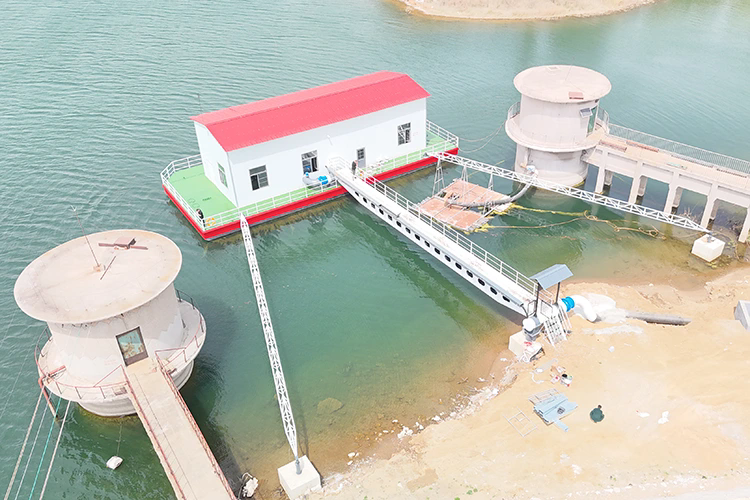
Table of Contents
- Introduction to Process Water Pumping Stations
- Key Design Features
- Operational Principles
- Maintenance Best Practices
- Common Issues and Solutions
- Frequently Asked Questions
- Conclusion & Contact
Introduction to Process Water Pumping Stations
Process water is essential in industries ranging from chemical manufacturing to power generation. A Process Water Pumping Station provides the infrastructure to transport, control, and monitor water efficiently across these facilities. By maintaining steady flow and pressure, these stations reduce equipment stress and prevent operational downtime.
- Ensures reliable water supply for industrial processes.
- Controls water pressure to prevent pipe bursts and equipment damage.
- Integrates monitoring systems for real-time performance insights.
Key Design Features
The efficiency of a Process Water Pumping Station depends on thoughtful design. The main components typically include pumps, valves, control systems, and storage reservoirs.
| Component | Function | Benefit |
|---|---|---|
| Pumps | Move water through the system | Maintain consistent flow and pressure |
| Valves | Regulate water direction and pressure | Protect equipment and optimize distribution |
| Control Systems | Monitor flow, pressure, and pump status | Enable automated operation and alerts |
| Storage Reservoirs | Store water for peak demand | Ensure uninterrupted water supply |
Operational Principles
Understanding how a Process Water Pumping Station operates helps in optimizing performance and extending equipment life. Key operational principles include:
- Flow Regulation: Pumps adjust output based on real-time demand, maintaining stable system pressure.
- Energy Efficiency: Variable speed pumps reduce energy consumption by matching output to actual need.
- Automation: Integrated sensors and control panels allow remote monitoring and alarm triggers for anomalies.
- Redundancy: Backup pumps ensure continuous operation during maintenance or failures.
Maintenance Best Practices
Proper maintenance is crucial for minimizing downtime and extending the lifespan of the station. Consider the following practices:
- Regular inspection of pumps, seals, and bearings.
- Periodic cleaning of filters and strainers to prevent clogging.
- Calibration of control systems and sensors to ensure accurate readings.
- Scheduled lubrication of moving parts to reduce wear and tear.
- Documenting all maintenance activities for future reference and compliance.
Common Issues and Solutions
Even well-designed stations may face operational challenges. Common issues include:
| Issue | Cause | Solution |
|---|---|---|
| Pump cavitation | Low suction pressure or high flow rate | Adjust pump speed, increase inlet pressure |
| Pressure fluctuations | Valve malfunction or system leaks | Inspect valves, repair leaks, check pressure sensors |
| Motor overheating | Overload or poor ventilation | Reduce load, improve cooling, check motor condition |
| Water contamination | Dirty intake or storage tank | Install filtration, clean tanks regularly |
Frequently Asked Questions
Q1: What industries benefit most from process water pumping stations?
A1: Industries like chemical manufacturing, power plants, and shipyards benefit greatly due to high water demand and precise pressure requirements.
Q2: How often should maintenance be performed?
A2: Routine inspections should be weekly or monthly depending on system usage, with full servicing at least annually.
Q3: Can a pumping station be automated?
A3: Yes, modern stations integrate PLC control systems for automated operation, monitoring, and emergency alerts.
Q4: What factors influence pump selection?
A4: Flow rate, system pressure, water quality, and energy efficiency requirements are key factors in selecting suitable pumps.
Conclusion & Contact
A well-designed Process Water Pumping Station enhances water management efficiency, reduces downtime, and safeguards industrial operations. Selecting the right design, maintaining equipment diligently, and addressing issues proactively are essential for long-term success.
Shandong Haiding Shipbuilding Co., Ltd. offers turnkey solutions for process water pumping stations, ensuring high performance and reliability. For detailed product information, technical support, or customized solutions, contact us today.