

How Does a Pontoon Barge Enhance Marine Operations?
2026-03-24
Article Summary
Pontoon barges are versatile, flat-bottomed vessels used extensively in marine construction, transport, and logistics. This article explores how pontoon barges function, the benefits they provide, and considerations for selecting the right type for your operations. It addresses common concerns including load capacity, durability, and operational efficiency, and offers guidance to help businesses optimize their marine projects.
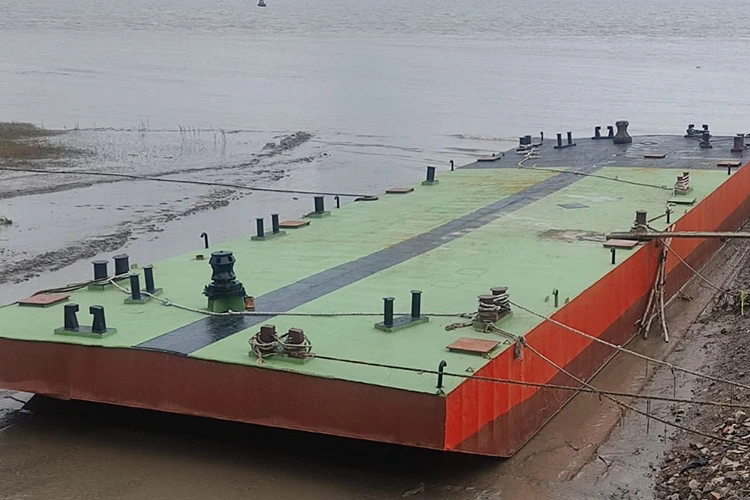
Table of Contents
- 1. What Is a Pontoon Barge?
- 2. How Does a Pontoon Barge Work?
- 3. Why Are Pontoon Barges Used in Marine Operations?
- 4. Key Features and Technical Specifications
- 5. Types of Pontoon Barges
- 6. How to Choose the Right Pontoon Barge
- 7. Maintenance and Operational Tips
- 8. Frequently Asked Questions
- 9. Conclusion
1. What Is a Pontoon Barge?
A pontoon barge is a flat-bottomed boat or floating platform designed for carrying heavy loads over water. It is characterized by its modular construction, stability, and ability to operate in shallow waters. Pontoon barges are commonly used in industries such as construction, dredging, oil and gas, and logistics.
These vessels are especially valuable when transporting oversized or heavy materials that conventional ships cannot accommodate.
2. How Does a Pontoon Barge Work?
Pontoon barges operate on buoyancy principles. The flat-bottomed pontoons displace water, creating upward force that allows the barge to float while carrying heavy cargo. Propulsion may be provided by tugboats, onboard engines, or external motorized systems.
- Pontoons provide stability and prevent tipping
- Deck space supports construction equipment, containers, or vehicles
- Modular design allows for connecting multiple pontoons to create larger platforms
- Optional reinforcement for heavy-duty industrial operations
3. Why Are Pontoon Barges Used in Marine Operations?
Pontoon barges address several operational challenges for businesses in marine environments:
- Heavy Load Transport: Efficiently move oversized or bulky cargo
- Shallow Water Access: Operate in areas inaccessible to deep-hull vessels
- Construction Support: Serve as floating platforms for cranes, dredgers, and construction materials
- Versatility: Adaptable for temporary bridges, docks, or mobile workstations
For contractors and industrial operators, a pontoon barge can significantly reduce operational costs and increase efficiency.
4. Key Features and Technical Specifications
| Specification | Description |
| Length | Varies from 10 meters to 50 meters or more, modular options available |
| Width | Up to 20 meters or customizable based on operational requirements |
| Load Capacity | Ranges from 50 tons to 1,000 tons depending on design |
| Material | High-strength steel, aluminum, or reinforced pontoons |
| Deck Type | Flat, reinforced for heavy equipment or container transport |
| Propulsion | Tugboat-assisted or equipped with onboard engines |
| Durability | Anti-corrosion coating, watertight pontoons, modular repair options |
Shandong Haiding Shipbuilding Co., Ltd. produces pontoon barges engineered for stability, durability, and operational efficiency, suitable for a wide range of industrial applications.
5. Types of Pontoon Barges
Pontoon barges are available in several types to meet diverse operational needs:
- Flat Deck Barges: Ideal for general cargo and container transport
- Crane Barges: Equipped to support heavy lifting operations
- Dredging Barges: Customized for dredging and construction tasks
- Modular Barges: Designed for expandable platforms and temporary structures
- Tug-Assisted Barges: Flexible and maneuverable for shallow or restricted waters
6. How to Choose the Right Pontoon Barge
Selecting the right pontoon barge depends on operational goals, load requirements, and environmental conditions:
- Evaluate maximum cargo weight and dimensions
- Consider water depth and tidal conditions
- Determine necessary deck reinforcement for equipment
- Assess modularity and scalability needs
- Check for anti-corrosion treatments and long-term durability
- Ensure compatibility with available propulsion or tugboats
Working with a reputable manufacturer like Shandong Haiding Shipbuilding Co., Ltd. ensures professional guidance, quality materials, and compliance with marine safety standards.
7. Maintenance and Operational Tips
To maximize the lifespan and efficiency of a pontoon barge, operators should follow maintenance best practices:
- Regular inspection of pontoons for leaks or corrosion
- Check deck reinforcement and structural integrity
- Ensure secure attachment of modular units
- Lubricate moving parts and propulsion components
- Clean surfaces to prevent biofouling and debris accumulation
Proper storage during off-season and careful handling during transport can prevent unnecessary damage and reduce repair costs.
8. Frequently Asked Questions
Q1: What is the typical lifespan of a pontoon barge?
With proper maintenance, pontoon barges can last 20–30 years depending on material quality and operational intensity.
Q2: Can pontoon barges operate in rough waters?
While primarily designed for calm or shallow waters, reinforced pontoon barges with additional stabilizers can handle moderate waves.
Q3: How is load capacity determined?
Load capacity is calculated based on pontoon volume, material strength, and distribution of weight across the deck.
Q4: Are pontoon barges customizable?
Yes. Modular design allows customization in size, deck layout, and additional equipment for specialized operations.
9. Conclusion
Pontoon barges offer an efficient, flexible, and durable solution for marine transport and construction needs. By providing stability, heavy load capacity, and adaptability, they are indispensable in various industries.
Shandong Haiding Shipbuilding Co., Ltd. delivers high-quality pontoon barges designed to meet professional operational standards. For inquiries or to explore a customized pontoon barge solution, contact us today and let our team assist with your marine project requirements.