

How Does a Polymer Waterproofing Membrane Protect Buildings?
2026-04-01
Summary: Polymer waterproofing membranes have become essential in modern construction for protecting buildings from water damage. This article explores types, applications, benefits, installation methods, and maintenance tips to help property owners, contractors, and architects make informed decisions.
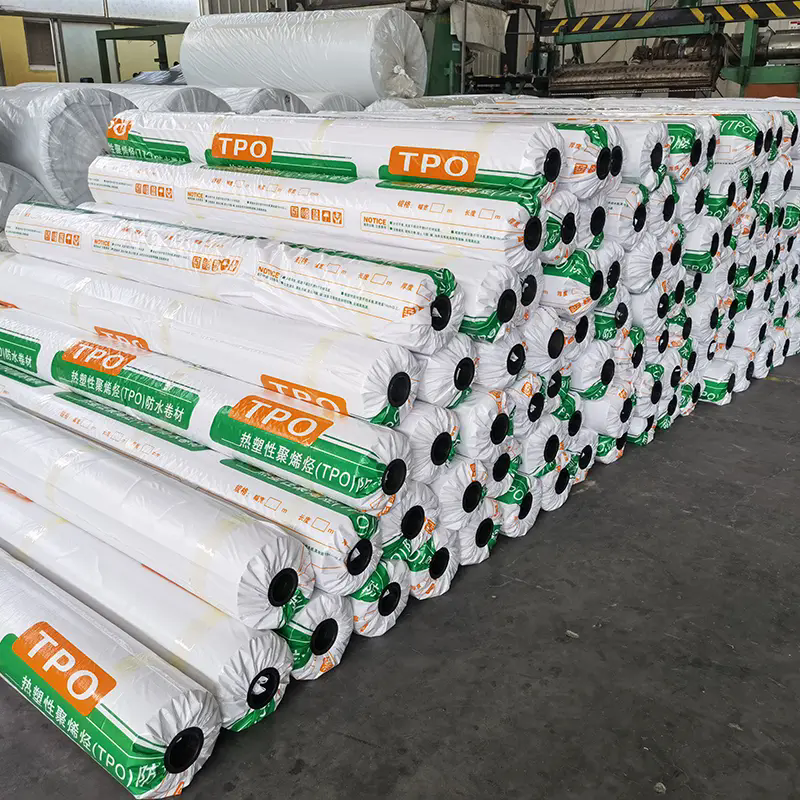
Table of Contents
- What is a Polymer Waterproofing Membrane?
- Types of Polymer Waterproofing Membranes
- Key Benefits
- Installation Guidelines
- Common Issues and Solutions
- Maintenance Tips
- Frequently Asked Questions
- Contact Information
What is a Polymer Waterproofing Membrane?
A polymer waterproofing membrane is a high-performance sheet made of synthetic polymers that prevents water penetration in buildings. Unlike traditional materials, polymer membranes combine flexibility, durability, and resistance to environmental stressors. These membranes are suitable for roofs, basements, tunnels, pools, and other structures where water infiltration is a concern.
Types of Polymer Waterproofing Membranes
Polymer membranes vary by material composition and construction method. Common types include:
- TPO Membranes: Thermoplastic polyolefin membranes offer heat resistance and easy weldability.
- PVC Membranes: Polyvinyl chloride membranes are durable, UV-resistant, and suitable for long-term projects.
- EPDM Membranes: Ethylene propylene diene monomer membranes provide high elasticity and weather resistance.
- Polyethylene/Polypropylene Membranes: High-strength membranes with double-layer waterproofing for added protection.
| Type | Key Feature | Typical Use |
|---|---|---|
| TPO | Heat and UV resistant | Flat commercial roofs |
| PVC | Long lifespan, flexible | Industrial and residential roofs |
| EPDM | High elasticity, durable | Basements, green roofs |
| Polyethylene/Polypropylene | Double-layer waterproofing | Underground and large-scale projects |
Key Benefits
- Durability: Resistant to aging, UV rays, and chemical exposure.
- Flexibility: Accommodates building movements and prevents cracks.
- Environmentally Friendly: Reduces maintenance frequency and material waste.
- Easy Installation: Self-adhesive and mechanically fastened options save labor costs.
Installation Guidelines
Correct installation ensures the effectiveness of polymer membranes. Key steps include:
- Prepare the substrate: Clean and level the surface to remove dust, debris, or moisture.
- Apply primer: Enhance adhesion of the membrane.
- Roll out the membrane: Position carefully and avoid folds or air bubbles.
- Seal joints: Use heat welding or adhesives depending on membrane type.
- Final inspection: Check for any punctures, gaps, or weak spots.
Common Issues and Solutions
- Membrane Punctures: Repair with patch kits or additional layers.
- Improper Adhesion: Reapply primer or use specialized adhesives.
- UV Degradation: Select UV-resistant membranes for exposed areas.
- Thermal Expansion: Allow expansion gaps or use flexible membranes.
Maintenance Tips
Routine maintenance prolongs the lifespan of waterproofing membranes:
- Inspect membranes every 6–12 months for damage or wear.
- Clean debris, moss, and algae to prevent surface damage.
- Repair minor cracks or punctures immediately.
- Ensure proper drainage to avoid water accumulation.
Frequently Asked Questions
- Q: How long does a polymer waterproofing membrane last?
- A: Depending on type and exposure, 20–50 years is typical for high-quality membranes.
- Q: Can polymer membranes be used on sloped roofs?
- A: Yes, they are suitable for both flat and sloped roofs with proper installation.
- Q: Are polymer membranes environmentally safe?
- A: Most modern membranes are non-toxic, recyclable, and reduce material waste.
- Q: Can I install it myself?
- A: While small DIY applications are possible, professional installation is recommended for long-term performance.
Contact Information
For premium waterproofing solutions, trust Shandong Haoyuan Waterproof Technology Group Co., Ltd. Our expert team can guide you to the ideal polymer membrane for your project. Visit our product page or contact us today for a consultation.