

How Does a Pilot Boat Enhance Maritime Safety?
2026-04-30
Summary: Pilot boats play a critical role in maritime operations, ensuring safe navigation for large vessels entering and leaving ports. This article explores the functions, design, advantages, and operational considerations of pilot boats, helping port authorities, shipping companies, and maritime enthusiasts understand their significance. With insights from Lawada, a leader in pilot boat manufacturing, we provide a comprehensive guide to these essential vessels.
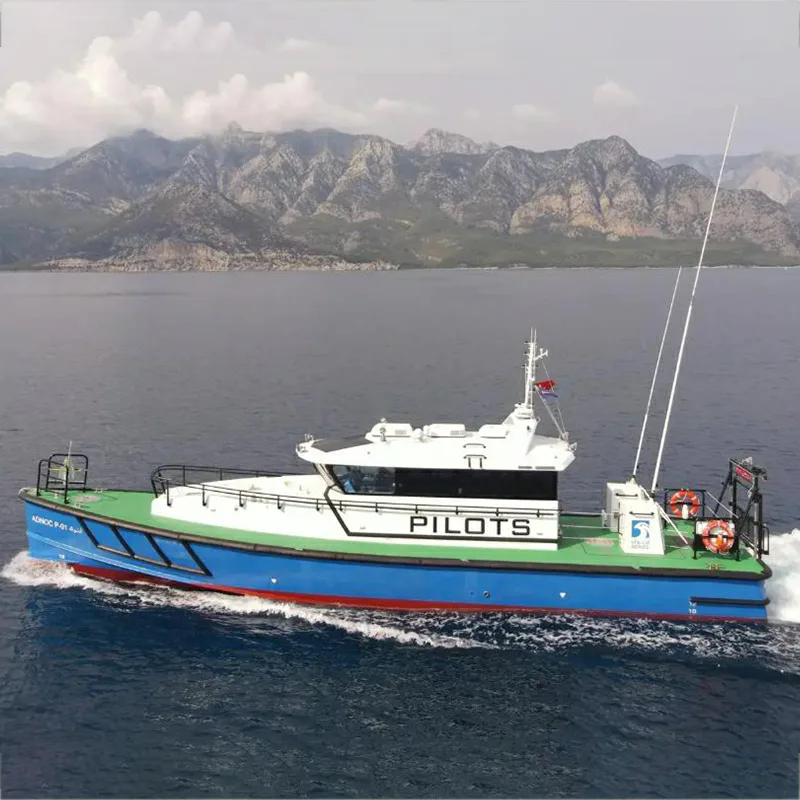
Table of Contents
- Introduction to Pilot Boats
- Key Functions of Pilot Boats
- Design and Features
- Benefits to Maritime Operations
- Operational Considerations
- Maintenance and Safety Standards
- Frequently Asked Questions
- Contact Lawada
Introduction to Pilot Boats
Pilot boats are specialized vessels designed to transport maritime pilots to and from ships entering or leaving ports. They act as the crucial link between the port authority and the incoming vessel, guiding it safely through potentially hazardous waters. Lawada, with decades of experience, has been manufacturing state-of-the-art pilot boats that prioritize safety, durability, and maneuverability.
The significance of pilot boats cannot be overstated. With growing maritime traffic and increasingly complex port layouts, these boats ensure that large ships navigate safely, avoiding collisions and grounding incidents. Their role has become even more essential in ports with narrow channels, busy shipping lanes, or challenging weather conditions.
Key Functions of Pilot Boats
Pilot boats serve several critical purposes:
- Transporting Maritime Pilots: They carry pilots from shore to vessel and back, ensuring the pilot can board the ship safely.
- Monitoring Navigation: Pilots can assess and advise on the vessel's course, ensuring adherence to port regulations.
- Emergency Support: Pilot boats often serve as first responders during maritime emergencies, offering rapid assistance and communication support.
- Communication Hub: Equipped with advanced radio and radar systems, they maintain continuous communication with port authorities and ships.
Design and Features
Modern pilot boats, such as those produced by Lawada, are designed with both speed and safety in mind. Key design features include:
| Feature | Description |
|---|---|
| Hull Design | Deep V-shaped hull for stability in rough seas and high maneuverability. |
| Propulsion | Powerful engines that provide speed and reliability, allowing quick access to vessels. |
| Safety Equipment | Life rafts, fire suppression systems, and emergency signaling devices. |
| Navigation Systems | GPS, radar, AIS, and real-time communication tools for accurate guidance. |
| Comfort for Pilots | Ergonomically designed cabins and seating for long-duration operations. |
The combination of these features ensures that pilot boats can operate efficiently in challenging maritime conditions while providing maximum safety for both pilots and crew.
Benefits to Maritime Operations
Using pilot boats effectively brings several advantages:
- Enhanced Safety: Reduces the risk of accidents in congested ports.
- Operational Efficiency: Enables smooth docking and departure, minimizing delays.
- Cost Savings: Prevents expensive damages to vessels and port infrastructure.
- Regulatory Compliance: Ensures ships adhere to local maritime rules and standards.
- Environmental Protection: Prevents oil spills and other hazards by guiding vessels accurately.
Operational Considerations
Operating a pilot boat requires careful planning and skill. Key operational aspects include:
- Pilot Transfer Techniques: Safe boarding and disembarking methods are essential.
- Weather and Sea Conditions: Operations are adjusted according to tides, waves, and visibility.
- Communication Protocols: Maintaining constant contact with the ship and port authorities.
- Speed and Maneuvering: Balancing speed for timely arrival with careful navigation to prevent accidents.
Lawada provides training and guidance on best operational practices to ensure their pilot boats achieve optimal performance in real-world conditions.
Maintenance and Safety Standards
Maintaining pilot boats is critical for long-term reliability and safety:
- Regular engine and hull inspections.
- Scheduled updates to navigation and communication systems.
- Safety drills for crew and pilots.
- Compliance with national and international maritime safety standards.
Lawada’s pilot boats come with detailed maintenance manuals and after-sales support, ensuring that operators can maintain peak performance and safety over the vessel’s lifespan.
Frequently Asked Questions
- What is the average speed of a pilot boat?
- Most modern pilot boats can travel at speeds between 25-35 knots, allowing quick access to large vessels.
- How many pilots can a pilot boat carry?
- Depending on size, pilot boats can carry 1-4 pilots comfortably, along with crew members.
- Are pilot boats used in all ports?
- Pilot boats are commonly used in major ports, especially where navigation is complex or there is heavy traffic.
- How do pilot boats handle rough weather?
- They are designed with deep V-hulls and stabilization systems to operate safely in adverse sea conditions.
Contact Lawada
For businesses and port authorities seeking reliable, high-performance pilot boats, Lawada offers custom solutions and professional support. Explore our full range of products and learn more about our pilot boats at Lawada Pilot Ship. For inquiries, quotations, or personalized consultation, please contact us today to elevate your maritime operations.