

How Does a Jet Suction Dredger Work?
2026-04-21
Abstract: Jet suction dredgers are widely used in river cleaning, sand mining, port maintenance, and land reclamation. Despite their efficiency, many buyers struggle with understanding how they function, how to select the right model, and how to optimize performance. This article breaks down the working principle, core components, advantages, selection criteria, and operational considerations of jet suction dredgers in a structured and practical way to help decision-makers make informed choices.
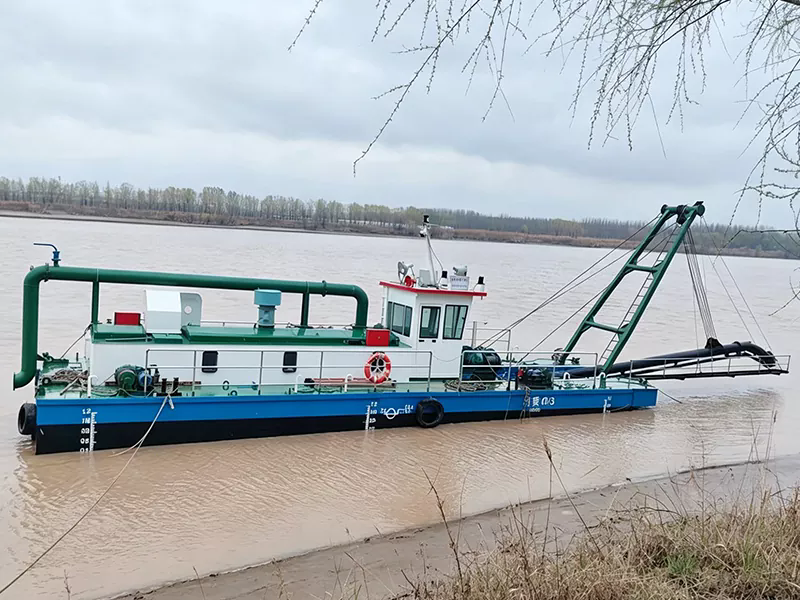
Table of Contents
- 1. Overview of Jet Suction Dredgers
- 2. Working Principle
- 3. Key Components
- 4. Advantages and Limitations
- 5. Common Applications
- 6. How to Choose the Right Model
- 7. Operation and Maintenance Tips
- 8. Comparison with Other Dredgers
- 9. FAQ
1. Overview of Jet Suction Dredgers
A jet suction dredger is a hydraulic dredging machine that uses high-pressure water jets to loosen sediment, which is then transported through a suction pipeline. Compared with mechanical dredgers, this type offers continuous operation, higher efficiency, and reduced labor requirements.
It is particularly suitable for handling loose materials such as sand, silt, and fine gravel, making it a preferred solution for projects that demand consistent throughput and minimal interruption.
2. Working Principle
The operational mechanism of a jet suction dredger revolves around two synchronized processes: jetting and suction.
- Jetting Process: High-pressure water is discharged through nozzles to dislodge compacted sediment on the seabed or riverbed.
- Suction Process: A powerful pump creates negative pressure, drawing the loosened material into the suction pipe.
- Transportation: The slurry mixture is transported through pipelines to a designated discharge area.
This integrated system ensures continuous excavation and transport, significantly improving operational efficiency compared to intermittent dredging methods.
3. Key Components
| Component | Function |
|---|---|
| Jet Pump | Generates high-pressure water flow for sediment loosening |
| Suction Pump | Draws slurry into the pipeline |
| Suction Head | Direct contact point with the dredging material |
| Pipelines | Transport slurry to discharge site |
| Power System | Drives pumps and overall equipment operation |
4. Advantages and Limitations
Advantages:
- Continuous and stable dredging operation
- Lower operational cost compared to mechanical dredgers
- High efficiency in soft soil and sand environments
- Simple structure with easier maintenance
Limitations:
- Less effective in hard or rocky seabeds
- Requires sufficient water supply for jetting
- Performance depends on pump capacity and pipeline design
5. Common Applications
- River and canal dredging
- Sand mining and extraction
- Port and harbor maintenance
- Land reclamation projects
- Industrial sediment removal
These applications benefit from the dredger’s ability to operate continuously and handle large volumes of sediment efficiently.
6. How to Choose the Right Model
Choosing the right jet suction dredger involves evaluating several technical and operational parameters:
- Dredging Depth: Ensure the equipment meets project depth requirements
- Flow Capacity: Determines how much material can be transported per hour
- Discharge Distance: Impacts pump power and pipeline configuration
- Material Type: Sand, silt, or mixed sediments require different specifications
- Power Source: Diesel vs electric depending on site conditions
Working with an experienced manufacturer like Qingzhou City Dingke Dredger Equipment Co., Ltd. ensures that the equipment is tailored to specific project needs rather than adopting a one-size-fits-all approach.
7. Operation and Maintenance Tips
- Regularly inspect pumps and pipelines for wear and blockage
- Monitor pressure levels to maintain optimal jetting efficiency
- Use high-quality spare parts to extend equipment lifespan
- Train operators to handle varying sediment conditions
- Schedule preventive maintenance to avoid unexpected downtime
Proper operation not only improves efficiency but also significantly reduces long-term operational costs.
8. Comparison with Other Dredgers
| Type | Best Use Case | Efficiency | Cost |
|---|---|---|---|
| Jet Suction Dredger | Sand and soft sediment | High | Moderate |
| Cutter Suction Dredger | Hard soil and compact layers | Very High | Higher |
| Bucket Dredger | Precise excavation | Low | High |
9. FAQ
Q1: What materials can a jet suction dredger handle?
A: It is best suited for sand, silt, and fine sediments, but less effective on hard rock.
Q2: How far can dredged material be transported?
A: Depending on pump power and pipeline design, it can reach several hundred to several thousand meters.
Q3: Is it environmentally friendly?
A: When properly operated, it minimizes disturbance compared to mechanical dredging methods.
Q4: What is the typical maintenance requirement?
A: Routine inspection and replacement of wear parts such as pump components and pipelines.
Q5: Can it be customized?
A: Yes, manufacturers can tailor specifications based on project conditions and requirements.
Understanding how a jet suction dredger works is essential for maximizing efficiency and ensuring project success. If you are looking for reliable, high-performance dredging solutions, Qingzhou City Dingke Dredger Equipment Co., Ltd. offers customized equipment designed to meet diverse operational needs. Contact us today to get expert guidance and the best solution for your dredging project.