

How Does a Harbor Tugboat Enhance Port Operations Efficiency?
2026-01-26
Article Abstract
Harbor tugboats play a crucial role in modern port operations by providing maneuvering support, safety assurance, and operational flexibility for a variety of vessels. This article offers a comprehensive overview of harbor tugboats, covering technical specifications, design features, operational applications, and maintenance considerations. It aims to guide port authorities, shipping companies, and maritime professionals in selecting and utilizing tugboats efficiently while ensuring safety and reliability.
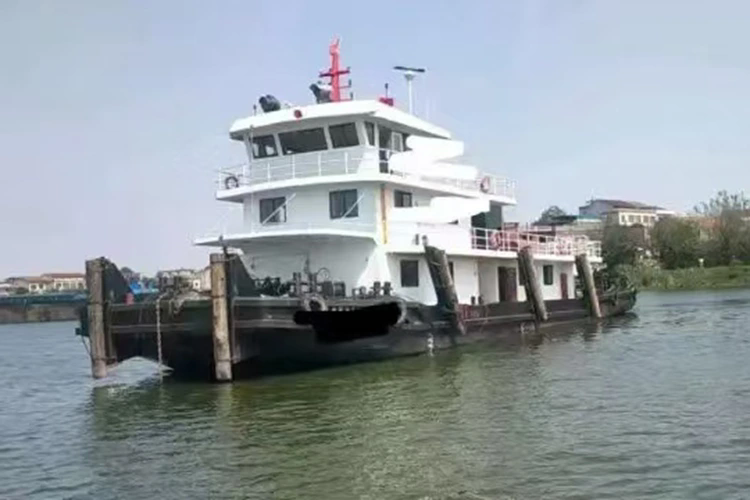
Table of Contents
- Article Outline
- Harbor Tugboat Overview and Purpose
- Design Features and Performance Parameters
- Operational Applications and Benefits
- Maintenance and Operational Considerations
- Frequently Asked Questions
- Conclusion and Contact
Article Outline
- Introduction to harbor tugboats and their role in port operations
- Structural design, propulsion, and technical capabilities
- Operational applications, including docking, towing, and emergency support
- Maintenance practices and safety compliance
- Common industry questions with detailed answers
- Brand reference and contact guidance
Harbor Tugboat Overview and Purpose
A harbor tugboat is a specialized vessel designed to provide maneuvering assistance to large ships, barges, and other watercraft in confined port areas. Unlike open-sea vessels, tugboats are engineered to offer maximum thrust, high maneuverability, and rapid response in close quarters. Their primary purpose is to ensure safe berthing, unberthing, and navigation within restricted waterways, significantly reducing the risk of accidents and delays.
Modern harbor tugboats, such as those produced by Shandong Haiding Shipbuilding Co., Ltd., incorporate advanced propulsion systems, robust hull structures, and versatile towing capabilities. They serve as essential operational tools for port authorities, cargo operators, and maritime logistics companies seeking enhanced efficiency and safety in their daily operations.
Design Features and Performance Parameters
Harbor tugboats combine compact design with powerful engines and reinforced hulls to achieve high maneuverability and towing capacity. Below is an overview of key technical parameters:
| Parameter | Typical Specification |
|---|---|
| Length Overall (LOA) | 25–40 meters |
| Beam | 8–12 meters |
| Draft | 3–5 meters |
| Propulsion | Azimuth thrusters / Voith Schneider Propellers |
| Engine Power | 1,500–5,000 kW |
| Bollard Pull | 40–80 tons |
| Deck Equipment | Towing winches, fenders, firefighting pumps |
| Operational Range | Up to 500 nautical miles |
| Crew Capacity | 5–12 personnel |
These features ensure that harbor tugboats can handle diverse operational scenarios, from guiding large container ships to assisting in emergency responses during port incidents.
Operational Applications and Benefits
Harbor tugboats are indispensable for safe and efficient port operations. Key applications include:
- Berthing and unberthing of vessels in confined spaces
- Assisting large ships during navigation in narrow channels
- Towing disabled or stranded vessels
- Firefighting support using onboard pumps and monitors
- Emergency response during collisions or grounding
- Oil spill containment and environmental protection operations
By deploying harbor tugboats effectively, ports can optimize vessel traffic management, reduce turnaround time, and maintain operational safety standards in high-density shipping areas.
Maintenance and Operational Considerations
Regular maintenance is essential for harbor tugboats to maintain peak performance and operational readiness. Key maintenance considerations include:
- Engine inspections and fuel system maintenance
- Propeller and thruster checks for wear and alignment
- Hull integrity inspections to prevent corrosion
- Routine checks of towing winches and deck equipment
- Compliance with maritime safety and environmental regulations
Proper maintenance schedules reduce unexpected downtime and extend the operational lifespan of tugboats, ensuring continuous support for port operations.
Frequently Asked Questions
Q: What is the primary function of a harbor tugboat?
A: Harbor tugboats provide maneuvering assistance, towing, and emergency support to vessels within port areas, ensuring safe navigation and berthing operations.
Q: How does bollard pull affect tugboat performance?
A: Bollard pull measures the tugboat's pulling capacity. A higher bollard pull enables the tugboat to tow larger vessels and perform operations under strong currents or adverse weather conditions.
Q: Can harbor tugboats be used for firefighting?
A: Yes. Many harbor tugboats are equipped with firefighting pumps and monitors, allowing them to assist in controlling onboard or dockside fires.
Q: How often should a tugboat undergo maintenance?
A: Routine inspections and maintenance should follow a scheduled plan, typically monthly for major systems and daily for operational checks, ensuring reliability and safety.
Conclusion and Contact
Harbor tugboats are critical assets for port efficiency, safety, and operational flexibility. Their advanced design, versatile propulsion, and robust construction make them essential for managing vessel traffic, towing, and emergency response within port environments.
Shandong Haiding Shipbuilding Co., Ltd. provides high-quality harbor tugboats engineered for maximum performance and reliability. For inquiries regarding specifications, project consultations, or customized solutions, please contact us to discuss your requirements and explore our professional maritime services.