

How Does a Ferry Boat Operate Efficiently?
2026-05-12
Summary: Ferry boats are essential for transporting passengers, vehicles, and goods across rivers, lakes, and coastal waters. This article explores the operational mechanisms, design considerations, and efficiency improvements of ferry boats. We also highlight the advantages of modern ferry technology and how Shandong Haiding Shipbuilding Co., Ltd. contributes to the development of reliable and environmentally friendly ferry solutions.
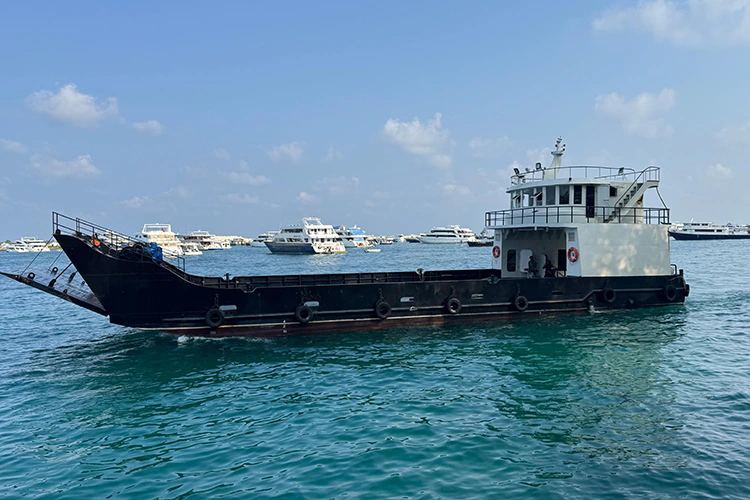
Table of Contents
- Introduction to Ferry Boats
- How a Ferry Boat Works
- Design and Technology of Ferry Boats
- Benefits of Modern Ferry Boats
- Maintenance and Safety Measures
- Frequently Asked Questions
- Contact Shandong Haiding Shipbuilding Co., Ltd.
Introduction to Ferry Boats
Ferry boats have been a vital part of transportation for centuries. They provide a safe, reliable, and cost-effective means of transporting passengers, vehicles, and goods across water bodies. Unlike bridges or tunnels, ferries offer flexibility in operation and can adapt to seasonal or geographical changes. Modern ferry services integrate advanced technology for fuel efficiency, safety, and passenger comfort.
- Passenger transport: Ensures smooth travel between islands, riversides, and coastal towns.
- Vehicle transport: Supports cars, trucks, and even heavy machinery.
- Goods transport: Essential for trade and logistics across waterways.
How a Ferry Boat Works
The operation of a ferry boat involves several integrated systems, including propulsion, navigation, and loading mechanisms. Understanding these systems is key to appreciating how ferry operators maximize efficiency.
Propulsion System
Most modern ferry boats use diesel-electric or hybrid propulsion systems. These systems provide high maneuverability and energy efficiency. Some ferries are equipped with waterjet propulsion, which reduces hull resistance and increases speed.
Loading and Unloading
- Vehicle ramps: Hydraulic ramps allow cars and trucks to board quickly.
- Passenger gangways: Ensure safe embarkation and disembarkation.
- Automated guidance: Sensors and signals streamline vehicle alignment for faster boarding.
Navigation and Control
Advanced GPS, radar, and AIS (Automatic Identification System) help ferry operators navigate safely even in challenging weather conditions. Automation in steering and speed control reduces human error and improves operational reliability.
Design and Technology of Ferry Boats
Designing a ferry boat requires balancing passenger comfort, cargo capacity, fuel efficiency, and environmental compliance. Shandong Haiding Shipbuilding Co., Ltd. specializes in producing vessels that meet these diverse requirements.
| Design Aspect | Key Features | Benefits |
|---|---|---|
| Hull Design | Catamaran or monohull with streamlined shape | Reduced fuel consumption, improved stability |
| Propulsion | Diesel-electric, hybrid, or waterjet | Efficient, quieter, lower emissions |
| Passenger Comfort | Spacious seating, climate control, entertainment systems | Improved user experience, repeat customers |
| Safety Systems | Life rafts, emergency lighting, fire suppression | Regulatory compliance, enhanced passenger safety |
Innovations in Ferry Technology
- Hybrid and electric propulsion: Reduces carbon footprint and operational costs.
- Smart monitoring: Sensors track fuel usage, engine health, and passenger flow.
- Modular construction: Allows flexible vessel sizes and capacities.
Benefits of Modern Ferry Boats
Modern ferry boats provide multiple benefits for operators and passengers:
- Environmental sustainability: Cleaner engines reduce emissions and water pollution.
- Cost-effective transport: Low operational costs per ton of cargo or passenger transported.
- Accessibility: Ferries connect remote regions without expensive infrastructure.
- Reliability: All-weather operations and advanced navigation systems ensure consistent service.
Maintenance and Safety Measures
Regular maintenance ensures ferry longevity, safety, and efficiency. Shandong Haiding Shipbuilding Co., Ltd. emphasizes the following practices:
- Hull inspection: Detect corrosion or structural damage early.
- Engine servicing: Routine checks prevent unexpected breakdowns.
- Emergency drills: Train crew to handle onboard incidents.
- Regulatory compliance: Meets local and international maritime safety standards.
Frequently Asked Questions
1. What is the average lifespan of a ferry boat?
With proper maintenance, a modern ferry boat can operate efficiently for 25-30 years.
2. How much cargo can a ferry carry?
It depends on the design. Vehicle ferries can carry up to 200 cars or multiple trucks, while passenger ferries prioritize seating and amenities.
3. Why choose hybrid or electric ferries?
They reduce fuel costs, minimize environmental impact, and often qualify for government incentives or subsidies.
4. How does weather affect ferry operations?
Advanced navigation systems and hull design allow ferries to operate safely in rough waters, but extreme weather may still require temporary suspension.
Contact Shandong Haiding Shipbuilding Co., Ltd.
For high-quality ferry boats that combine efficiency, safety, and environmental responsibility, trust Shandong Haiding Shipbuilding Co., Ltd.. Our experienced team can provide custom solutions tailored to your transport needs. Contact us today to discuss your project and receive a consultation from our experts.