

Article Summary: Choosing the right cutter suction dredger is essential for controlling project costs, achieving the required excavation depth, maintaining reliable production, and transporting dredged material efficiently. This guide explains how a cutter suction dredger works, which components determine its performance, where it delivers the greatest value, and how project owners can evaluate equipment specifications before purchasing. It also covers common operating challenges, maintenance practices, pipeline planning, environmental considerations, and practical questions to ask a manufacturer before placing an order.
Whether you are deepening a river channel, removing accumulated sediment from a reservoir, developing a port, or supplying sand for land reclamation, understanding the complete dredging process can help you make a more informed equipment investment.
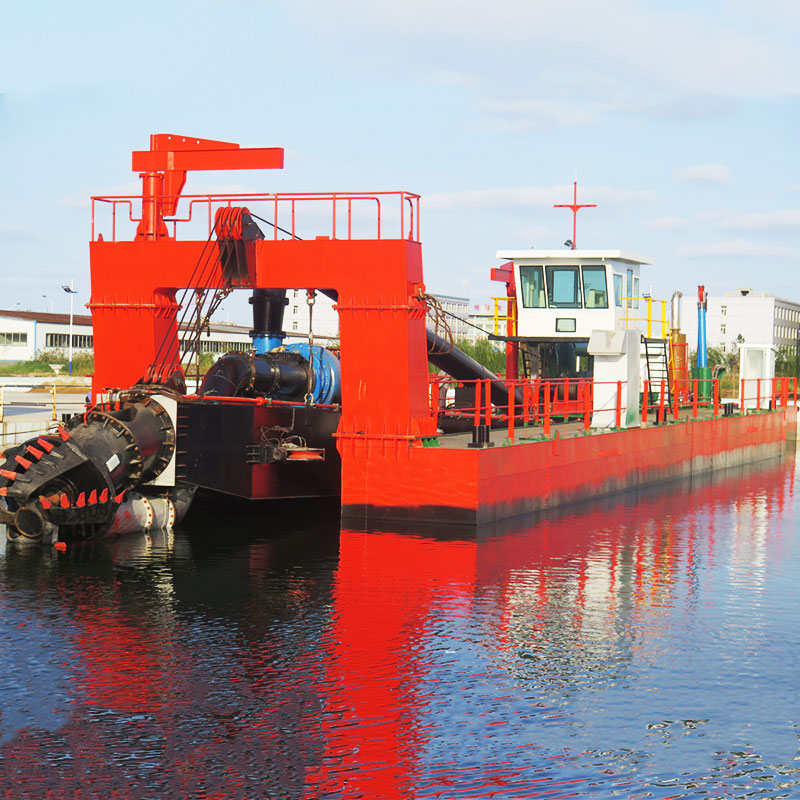
1. What Is a Cutter Suction Dredger?
A cutter suction dredger (CSD) is a hydraulic dredging vessel that combines mechanical excavation with slurry pumping. A rotating cutter head loosens underwater soil and sediment, while a dredge pump draws the resulting mixture of solids and water through a suction pipe. The slurry is then transported through a discharge pipeline to a designated placement, reclamation, or processing area.
Unlike equipment that relies exclusively on suction to collect loose sediment, a cutter suction dredger uses its cutting mechanism to break up compacted materials before pumping them. Depending on the cutter configuration and overall machine design, it can handle a range of materials, including silt, sand, clay, and selected gravel or weak rock formations. Actual capability depends on material strength, cutter power, pump performance, and the dredger's configuration.
One of its defining characteristics is continuous excavation and hydraulic transportation. Instead of excavating material, loading it into separate vehicles, and transporting it in individual batches, the dredger can feed material directly into a pipeline system. This arrangement can simplify material handling and support consistent production when the site and discharge route are properly planned.
2. How Does a Cutter Suction Dredger Work?
The dredging process involves several coordinated stages. Understanding each stage helps operators identify performance problems and helps buyers determine which equipment specifications matter most.
Step 1: Positioning the Dredger
The dredger is positioned over the working area and secured using an appropriate anchoring or spud arrangement. The working spud stabilizes the vessel, while anchors and winches control its lateral movement. Before excavation begins, the crew must confirm water depth, seabed conditions, pipeline routing, and the required dredging limits.
Step 2: Cutting and Loosening the Material
The cutter head rotates at the end of the dredging ladder, breaking up the seabed material. Different cutter designs suit different ground conditions. Loose sediment may require a different cutting configuration from compacted clay or abrasive gravel. Correct tooth selection and controlled cutting speed help limit unnecessary wear and reduce the risk of overloading the drive system.
Step 3: Forming and Suctioning the Slurry
As the cutter loosens the sediment, water mixes with the excavated material to form a pumpable slurry. The dredge pump draws this mixture into the suction system. Efficient operation depends on maintaining a suitable balance between excavation rate, slurry concentration, available suction conditions, and pump capacity.
Step 4: Transporting Material Through the Pipeline
The pump moves the slurry through floating pipelines, submerged sections, shore pipelines, or a combination of these arrangements. The required pump head depends on the elevation difference, pipeline length and diameter, friction losses, bends, slurry characteristics, and outlet conditions. A long discharge route therefore requires more than simply selecting a pump with a large flow rating.
Step 5: Controlling the Discharge
At the destination, the slurry may be discharged into a reclamation area, settling pond, designated containment zone, or processing system. Some projects require sediment dewatering or additional treatment before water can be released. The receiving area must be designed to accommodate the expected volume, prevent uncontrolled overflow, and meet applicable environmental requirements.
Step 6: Moving to the Next Cutting Position
Once the required section has been dredged, the operator adjusts the swing, changes the cutting position, or advances the dredger using its positioning system. Repeating this controlled cycle allows the machine to excavate a larger area while maintaining the required depth and profile.
3. Which Components Determine Dredger Performance?
Every major component influences productivity, reliability, or operating cost. Buyers should evaluate the complete equipment configuration instead of comparing machines only by engine power or nominal discharge diameter.
Breaks and loosens underwater material. Its diameter, tooth arrangement, drive power, and wear resistance should match the expected seabed conditions.
Moves the slurry through the suction and discharge systems. Pump curves, solids-handling capability, wear materials, and operating efficiency are important selection factors.
Supplies energy to the pump, cutter drive, winches, and auxiliary systems. Available power must support the intended duty without compromising reliability.
Supports the cutter and suction pipe. Its structure, lifting system, working range, and depth capability influence excavation flexibility.
Control the dredger's position and cutting movement. Their arrangement affects maneuverability, working accuracy, and the ability to operate in restricted areas.
Transfers slurry to the destination. Pipe diameter, material, joint quality, bends, flotation, and routing influence pressure loss and maintenance requirements.
Why System Compatibility Matters
Suppose a project involves dense sediment and a long pipeline. A cutter with insufficient cutting capacity may struggle to loosen the ground, while an undersized pump may fail to maintain the required transport velocity. Conversely, selecting unnecessarily large equipment may increase fuel consumption, capital expenditure, and maintenance costs without delivering a useful production improvement.
Effective equipment matching begins with a clear description of the project conditions and continues through pump selection, cutter configuration, engine sizing, pipeline calculations, and operational planning.
4. Where Is a Cutter Suction Dredger Used?
Cutter suction dredgers serve projects that require controlled underwater excavation and hydraulic material transport. Their suitability depends on the material, working depth, available space, weather conditions, and discharge arrangements.
River Dredging and Flood Management
Rivers accumulate sediment through natural erosion, upstream runoff, and changes in water flow. Dredging can restore selected channel sections, maintain navigation depth, and support river management plans. Before work begins, contractors should survey the channel and identify utilities, bridges, structures, and sensitive habitats.
Port and Navigation Channel Maintenance
Ports require adequate water depth for vessels to enter and maneuver safely. A cutter suction dredger can remove accumulated sediment from navigation channels, harbor basins, and selected berth areas. Production planning must account for navigation restrictions, vessel traffic, disposal requirements, and the need to protect nearby infrastructure.
Reservoir and Lake Desilting
Accumulated sediment can reduce usable storage capacity and affect water management. Dredging may help restore capacity in suitable locations, provided that the sediment is characterized and the removed material can be managed safely. Reservoir work also requires attention to fluctuating water levels, access restrictions, and downstream water quality.
Land Reclamation and Hydraulic Filling
In reclamation projects, dredged sand or other suitable material is pumped to designated areas to build up land. The project team must consider material grading, transport distance, settling behavior, drainage, and ground improvement requirements. Not every dredged material is suitable as a structural fill, so geotechnical evaluation is essential.
Sand and Mineral Material Recovery
Where permitted, cutter suction dredgers can support underwater sand extraction and selected mineral recovery operations. The equipment must be matched to the deposit characteristics and processing requirements. Extraction limits, sediment control, resource permits, and rehabilitation obligations should be established before production starts.
5. What Benefits Can Projects Expect?
Continuous Material Handling
Hydraulic transport allows excavation and discharge to proceed as one connected process. When the pipeline and receiving area are correctly designed, this can reduce repeated loading and handling steps and support steady project progress.
Adaptability to Different Ground Conditions
The cutter head provides mechanical assistance when sediment is too compact for suction alone. With the appropriate cutter and power configuration, a dredger can work across a wider range of materials than equipment designed only for loose deposits. However, highly abrasive or strong rock may require specialized cutting tools and a more detailed engineering assessment.
Controlled Excavation
Positioning systems, ladder adjustments, and planned swing movements help operators control the dredged area and depth. Accuracy still depends on survey quality, operator skill, water movement, and the capabilities of the machine's positioning and monitoring systems.
Reduced Material-Handling Complexity
Direct pipeline discharge can eliminate some intermediate transport stages. This is particularly useful when the placement area is reachable by pipeline and when the material does not require transportation by a separate barge or truck fleet.
Potential for Long-Term Project Savings
A well-matched dredger may reduce cost per cubic meter through consistent production, appropriate fuel use, fewer avoidable stoppages, and manageable wear-part consumption. These benefits are not automatic: they depend on site conditions, equipment quality, operator training, maintenance discipline, and the actual volume of material removed.
6. How to Select the Right Cutter Suction Dredger
Equipment selection should begin with the project requirements, not a catalog headline. The following factors help buyers identify a suitable configuration and avoid paying for capacity that cannot be used effectively.
Evaluate the Sediment and Geotechnical Conditions
Determine whether the seabed contains soft mud, fine sand, compacted clay, gravel, or rock. Grain size, density, cohesion, abrasiveness, and the presence of debris can affect cutting resistance, pump wear, and production. A geotechnical survey is more useful than a general description such as "normal river soil."
Define the Required Working Depth
Confirm the existing water depth, target dredging level, maximum required excavation depth, and expected water-level variation. The dredging ladder and hull arrangement must provide an appropriate working range. Shallow-water projects may require a compact, shallow-draft configuration, while deeper projects may need a different ladder and structural arrangement.
Calculate the Pipeline Route
Measure the actual pipeline distance and elevation difference between the dredger and discharge point. Include floating and shore-based sections, bends, valves, and any planned extension. A longer route generally increases hydraulic resistance and can reduce delivered flow if the pump system is not designed for the required duty.
Set a Realistic Production Target
Clarify whether the production target refers to total slurry volume, dry solids, or in-situ material volume. These measurements are not interchangeable. Actual output changes with soil characteristics, solids concentration, operating depth, pipeline resistance, equipment downtime, and discharge conditions.
Compare Equipment Specifications
| Selection Factor | Questions to Ask | Why It Matters |
|---|---|---|
| Cutting capability | What soil conditions and cutter configuration are supported? | Determines excavation suitability and wear rates. |
| Pump performance | What flow and head are available at the expected operating point? | Helps establish realistic slurry transport capacity. |
| Working depth | What is the usable dredging depth under the proposed configuration? | Confirms whether the dredger can reach the target elevation. |
| Pipeline system | What pipe sizes, lengths, and accessories are included? | Prevents compatibility issues and unplanned costs. |
| Power consumption | What are the expected fuel or energy demands under the intended duty? | Supports realistic operating-budget estimates. |
| Transport and assembly | Can the dredger be transported to the site and assembled safely? | Affects mobilization cost and project start-up time. |
| Maintenance support | Are spare parts, technical documentation, and training available? | Influences downtime and long-term serviceability. |
Choose Between Compact, Modular, and Larger Configurations
Compact or modular dredgers may be practical for narrow waterways, remote sites, and projects where road transportation is important. Larger configurations may be appropriate for high-volume work or demanding pipeline routes, provided the site has enough water depth, maneuvering space, and supporting infrastructure.
There is no universal best size. The right choice is the machine that can meet the required production target under the actual working conditions while keeping ownership and operating costs within the project budget.
7. How to Control Cutter Suction Dredger Operating Costs
The purchase price is only one part of the total cost of dredging. Fuel, labor, consumable parts, pipeline maintenance, mobilization, downtime, and material disposal can significantly affect the final cost per cubic meter.
Estimate the Total Cost of Ownership
Prepare a budget that includes the initial machine price, transportation, assembly, commissioning, operator training, fuel, lubricants, cutting teeth, pump wear parts, pipeline components, and scheduled maintenance. Also consider insurance, permits, environmental monitoring, and end-of-project demobilization.
Measure Production in Consistent Units
Do not compare two machines using headline flow figures alone. Slurry flow is not the same as the volume of dry material removed. If the project is paid by excavated volume, establish a consistent measurement method and account for the difference between in-situ material, transported solids, and water in the slurry.
Reduce Avoidable Pipeline Losses
Excessive bends, unsuitable pipe dimensions, worn sections, leaking joints, and poorly planned routes can increase pressure loss or cause interruptions. Pipeline design should balance hydraulic performance, handling requirements, structural safety, and site access. Inspect connections regularly and use components rated for the operating pressure and material conditions.
Prevent Unnecessary Wear
Cutting teeth and pump components wear at different rates depending on sediment abrasiveness, solids concentration, operating speed, and maintenance practices. Track wear patterns and replace components according to inspection results and manufacturer recommendations rather than waiting for a failure that interrupts the whole operation.
Plan for Productive Working Hours
Coordinate dredging operations with pipeline checks, receiving-area capacity, shift changes, and planned servicing. A dredger cannot maintain continuous production if the discharge area is full, the pipeline route is blocked, or essential spare parts are unavailable. Good planning can be as important as additional engine power.
8. Maintenance and Troubleshooting for Reliable Operation
Preventive maintenance helps protect expensive rotating equipment, reduce unplanned downtime, and improve operating safety. Maintenance intervals should follow the manufacturer's instructions and be adjusted to the actual duty, working hours, and observed wear.
Daily Inspection Checklist
- Inspect cutter teeth, cutter structure, fasteners, and visible signs of damage.
- Check the dredge pump, seals, bearings, lubrication, and abnormal noise or vibration.
- Inspect hydraulic hoses, fittings, cylinders, and visible leakage.
- Check pipeline joints, floats, supports, and signs of abrasion or leakage.
- Verify winches, anchors, spuds, alarms, and essential safety equipment.
- Review engine indicators, coolant temperature, oil pressure, and fuel levels.
- Record operating hours, maintenance work, and unusual operating conditions.
Common Problems and Practical Responses
| Observed Problem | Possible Causes | Recommended Checks |
|---|---|---|
| Low slurry output | Worn cutter teeth, unsuitable cutting rate, pump wear, or excessive pipeline resistance. | Inspect cutting tools, compare operating conditions with the pump curve, and examine the pipeline. |
| Pump vibration or unusual noise | Air entering the suction system, cavitation, obstruction, imbalance, or bearing damage. | Stop and inspect according to the equipment manual; check suction conditions and rotating components. |
| Frequent pipeline blockage | Excessive solids concentration, insufficient transport velocity, or unsuitable pipeline geometry. | Review slurry conditions and hydraulic design; follow approved procedures for clearing blockages. |
| High fuel consumption | Engine overload, inefficient operating points, excessive idle time, or unnecessary cutting resistance. | Review load data, cutting settings, engine condition, and production records. |
| Hydraulic system overheating | Restricted cooling, low fluid level, contamination, or excessive system load. | Check fluid condition, cooling components, filters, and system pressures as specified by the manufacturer. |
Safety note: Never open a pressurized pipeline, dismantle rotating machinery, or work near a suspended ladder without following the required isolation and lockout procedures. Stop the equipment, secure the work area, release stored energy as instructed, and allow authorized personnel to inspect the system.
Maintain a Useful Service Record
Record the date, operating hours, work completed, parts replaced, observed wear, and any performance changes. These records help identify recurring failures, forecast spare-parts demand, and support warranty or technical-service discussions with the supplier.
9. Environmental and Site Considerations
Responsible dredging requires more than removing the specified volume of material. Project owners should understand sediment quality, water conditions, disposal requirements, nearby infrastructure, and the potential effects of dredging on aquatic habitats.
Assess Sediment Quality Before Excavation
Where contamination is possible, test the sediment before dredging and determine the approved handling and disposal method. Contaminated material may require controlled containment, dewatering, treatment, or transport to an authorized facility. It should not be discharged into an unrestricted receiving area without appropriate assessment and approval.
Manage Turbidity and Suspended Solids
Cutting and pumping disturb sediment and can increase suspended solids in the surrounding water. Depending on site requirements, mitigation measures may include carefully planned work zones, monitoring stations, controlled production rates, or sediment barriers where they are suitable for the local hydrodynamic conditions.
Protect Nearby Structures and Utilities
Identify submerged cables, pipelines, foundations, bridge supports, and other infrastructure before positioning the dredger. Survey data, exclusion zones, communication procedures, and appropriate excavation tolerances help reduce the risk of accidental damage.
Plan for Weather and Water-Level Changes
Wind, waves, currents, flooding, and changing water levels can affect positioning, pipeline stability, and safe working conditions. Establish operating limits for the actual dredger configuration and site, and suspend operations when conditions exceed those limits.
Environmental controls and permit requirements vary by jurisdiction and project. Confirm the applicable standards and approvals with the responsible authorities and qualified environmental professionals before work begins.
10. Pre-Purchase Checklist for Project Owners
Before requesting a quotation, prepare a concise technical brief. Complete information helps the manufacturer recommend a configuration that matches the actual job and reduces the risk of missing accessories or unexpected installation costs.
- Project location: Country, waterway type, site access, and transportation limitations.
- Material conditions: Soil description, particle size, density, abrasiveness, and available survey data.
- Working depth: Current water depth, target depth, and expected water-level range.
- Production target: Required daily or hourly output and the unit used for measurement.
- Pipeline arrangement: Approximate length, elevation difference, route restrictions, and discharge location.
- Working environment: Current, wave conditions, channel width, navigation traffic, and available operating space.
- Material destination: Reclamation, stockpiling, processing, containment, or authorized disposal.
- Power and fuel: Available fuel types, local supply conditions, and expected operating schedule.
- Delivery requirements: Preferred delivery date, transport method, assembly arrangements, and commissioning support.
- After-sales support: Spare-parts availability, training, documentation, warranty conditions, and service response arrangements.
Questions to Ask the Manufacturer
- Which soil conditions and project scenarios is the proposed dredger designed to handle?
- What production performance can reasonably be expected under our stated site conditions?
- Are pump curves, general arrangement drawings, and relevant technical specifications available?
- Which pipeline sections, floats, hoses, and operating accessories are included in the quotation?
- What installation, commissioning, operator training, and technical support are provided?
- Which wear parts should be stocked locally to reduce downtime?
- How are performance expectations, delivery milestones, warranty coverage, and acceptance tests documented?
A detailed technical discussion before purchase can prevent costly misunderstandings. Ask the supplier to distinguish standard specifications from optional equipment and to explain the assumptions behind any stated production figures.
11. Frequently Asked Questions About Cutter Suction Dredgers
Q1: What is the main purpose of a cutter suction dredger?
A cutter suction dredger excavates underwater sediment and transports it as a slurry through a pipeline. Common uses include river deepening, port maintenance, reservoir desilting, land reclamation, and permitted sand extraction.
Q2: Which materials can a cutter suction dredger handle?
Depending on its cutter, pump, power, and structural configuration, a CSD can handle materials such as silt, sand, clay, gravel, and certain weak or moderately strong rock formations. Hard, highly abrasive, or irregular materials require a specific engineering assessment before equipment selection.
Q3: How is dredging production measured?
Production may be expressed as slurry flow, dry-solids throughput, or the in-situ volume of excavated material per hour or day. These values differ because slurry contains water and because the excavated material may change volume after disturbance. Always confirm the measurement basis when comparing supplier quotations.
Q4: How far can a cutter suction dredger pump material?
There is no single distance that applies to every dredger. The achievable pipeline length depends on pump head and flow, pipe diameter, elevation changes, bends, slurry properties, and the required discharge conditions. Ask the manufacturer to evaluate the complete pipeline route rather than relying on a distance estimate without supporting calculations.
Q5: Can a cutter suction dredger operate in shallow water?
Yes, suitable compact and shallow-draft configurations can work in certain shallow-water environments. The minimum operating depth depends on hull draft, ladder geometry, cutter clearance, water-level changes, and site access. Confirm the actual operating limits of the proposed model.
Q6: What affects the price of a cutter suction dredger?
Price depends on dredging capacity, engine and pump configuration, cutter design, working depth, hull size, automation, pipeline accessories, transport arrangements, and customization. Installation, training, spare parts, and after-sales support may also affect the overall project budget.
Q7: How often should a cutter suction dredger be maintained?
Basic inspections should generally be performed before and after operating shifts, with additional checks and servicing scheduled according to operating hours and the manufacturer's instructions. Abrasive sediment, long operating shifts, and demanding site conditions may require more frequent inspection of cutting teeth, pumps, seals, and pipelines.
Q8: Is a cutter suction dredger suitable for land reclamation?
Yes. A CSD can pump suitable dredged material to a reclamation area through a pipeline. Project feasibility depends on the quality of the fill material, pumping distance, site elevation, drainage arrangements, settlement behavior, and the geotechnical requirements of the proposed land use.
Q9: What information should I provide when requesting a quotation?
Provide the project location, sediment characteristics, target depth, production requirements, pipeline distance, elevation difference, discharge destination, site conditions, and delivery expectations. If available, include survey results and geotechnical data. These details help the manufacturer recommend a suitable configuration.
Q10: Why is after-sales support important when buying a dredger?
Dredging projects rely on coordinated mechanical, hydraulic, and pumping systems. Access to technical guidance, replacement parts, operating documentation, and troubleshooting support can reduce downtime and improve long-term equipment reliability, especially at remote project sites.
12. Make a Better Dredging Equipment Investment
A successful dredging project starts with a clear understanding of the site and a realistic assessment of the equipment required. The most effective cutter suction dredger is not necessarily the largest or most powerful model. It is the machine whose cutting capability, pumping system, working depth, pipeline arrangement, and maintenance requirements align with the project's real operating conditions.
By evaluating the sediment, defining the target production rate, planning the discharge route, and establishing a preventive maintenance program, contractors can make better purchasing decisions and reduce avoidable operating risks. Careful technical planning also helps ensure that the selected equipment can be transported, assembled, operated, and maintained efficiently throughout its service life.
Looking for a Reliable Cutter Suction Dredger for Your Project?
Royang Dredger provides dredging equipment solutions for projects involving river dredging, channel maintenance, sand extraction, reservoir desilting, and land reclamation. Selecting the right machine requires more than comparing specifications: the equipment must match your soil conditions, working depth, pipeline requirements, production goals, and site limitations.
Share your project requirements with Royang Dredger to discuss suitable equipment configurations, technical specifications, pipeline arrangements, and delivery support. Whether you are planning a new dredging operation or upgrading your existing equipment, our team can help you evaluate the practical requirements of your application.
Ready to discuss your dredging project? Contact us today to request product information and a solution tailored to your project needs.