

How Does a Bucket Wheel Dredger Operate?
2026-04-28
Summary: Bucket Wheel Dredgers (BWDs) are among the largest and most efficient dredging machines in the world, capable of continuous excavation and transport of sand, gravel, and other sediments. This article explores the design, operation, benefits, and common challenges of BWDs, helping clients and operators make informed decisions when considering this technology.
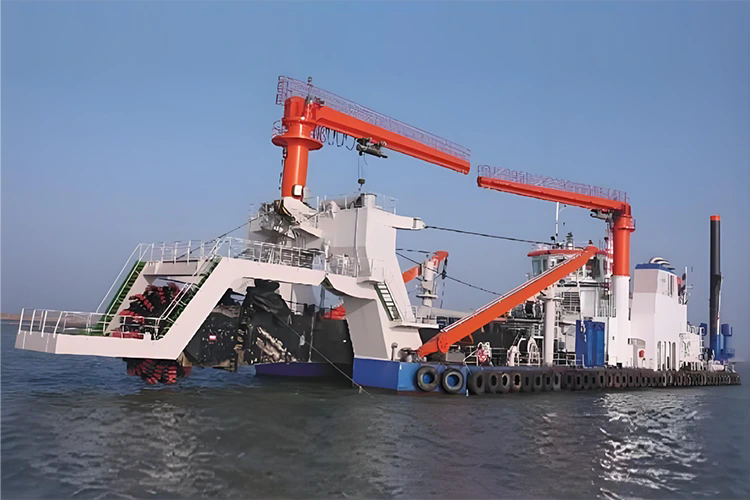
Table of Contents
Introduction to Bucket Wheel Dredgers
Bucket Wheel Dredgers are specialized vessels designed to remove large volumes of sediment from rivers, lakes, and coastal areas. They are often employed in mining, land reclamation, and harbor maintenance projects. Unlike traditional dredgers, BWDs can operate continuously, significantly improving excavation efficiency.
- Originally developed for mining operations.
- Capable of continuous dredging with minimal downtime.
- Used in both freshwater and marine environments.
Design and Key Components
A Bucket Wheel Dredger comprises several integrated systems. Understanding these components helps operators optimize performance and anticipate maintenance requirements.
| Component | Function |
|---|---|
| Bucket Wheel | The rotating wheel equipped with buckets that excavate sediment from the seabed or riverbed. |
| Conveyor System | Transports the dredged material from the buckets to the discharge point onshore or to a transport vessel. |
| Hull | Provides stability and supports the dredger structure. |
| Propulsion System | Allows limited maneuverability in water, particularly in positioning the dredger. |
| Spuds and Anchoring System | Stabilizes the dredger during operation to ensure precise excavation. |
Operation Principles
The operation of a Bucket Wheel Dredger follows a continuous cycle:
- The bucket wheel rotates and excavates material from the seabed.
- The material is transferred to the internal conveyor system.
- The dredged material is discharged through the pipeline or transferred to barges.
- The dredger advances using spuds or a winch system for gradual progress.
Efficiency depends on factors like bucket size, conveyor speed, water depth, and sediment type.
Advantages of Using a Bucket Wheel Dredger
- High continuous excavation capacity.
- Cost-effective for large-scale dredging projects.
- Reduces the need for frequent repositioning.
- Minimizes environmental impact compared to blasting or dry excavation methods.
Common Operational Challenges
While BWDs are efficient, operators may encounter challenges:
- Wear and tear of bucket teeth in abrasive materials.
- Clogging or damage in the conveyor system.
- Operational difficulties in highly compacted or rocky seabeds.
- Maintenance of spud and anchoring mechanisms.
Maintenance and Efficiency Tips
Regular maintenance ensures long-term efficiency:
- Inspect and replace bucket teeth frequently.
- Lubricate moving parts of the conveyor and wheel systems.
- Monitor dredger stability using sensors on spuds and hull.
- Train operators on safe handling and emergency procedures.
FAQ
- What is the maximum depth a Bucket Wheel Dredger can operate?
- Depending on design, BWDs can dredge up to 30 meters or more, but depth capacity should be confirmed with the manufacturer, such as HAIDING SHIPYARD.
- How is dredged material transported?
- Material is carried via onboard conveyor systems directly to shore or loaded onto barges for transport.
- What type of sediments can a BWD handle?
- BWDs can excavate sand, gravel, silt, and some types of clay. Hard rock may require specialized bucket designs.
- Are BWDs environmentally friendly?
- They are relatively low-impact compared to blasting or suction dredgers, reducing turbidity and disruption to aquatic habitats.
For high-quality, custom-built Bucket Wheel Dredgers, HAIDING SHIPYARD provides comprehensive solutions to meet your project demands. Contact us today to discuss your dredging needs and get a tailored proposal.