

How Does a Backhoe Dredger Improve Efficient Waterway Excavation?
2026-05-25
Waterway maintenance, port expansion, river cleaning, and shoreline construction all require reliable dredging equipment capable of handling demanding excavation conditions. A Backhoe Dredger is widely recognized as one of the most effective solutions for precision dredging in confined or shallow-water environments. Its powerful digging force, flexible maneuverability, and accurate excavation performance make it a preferred option for contractors, marine engineers, and infrastructure developers worldwide.
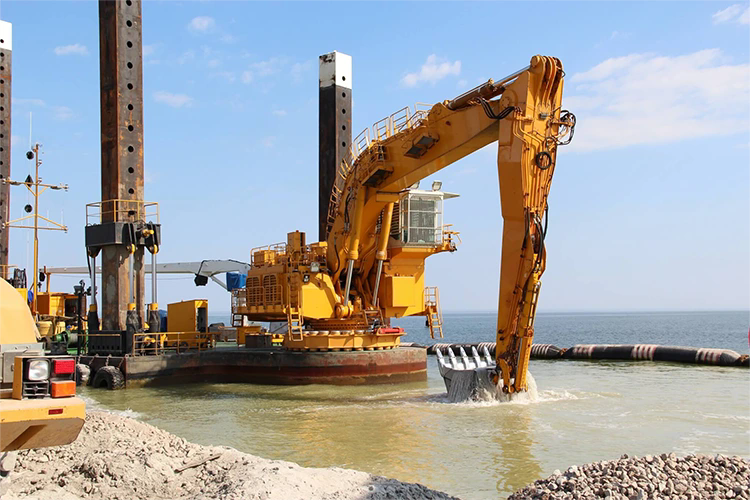
In this article, we will explore how a backhoe dredger works, its major applications, advantages, technical considerations, and how to choose the right dredging solution for your project. This guide is designed to help buyers and project managers solve common operational challenges while improving project efficiency and reducing downtime.
Table of Contents
- What Is a Backhoe Dredger?
- How Does a Backhoe Dredger Work?
- Main Applications of Backhoe Dredgers
- Key Advantages of Using a Backhoe Dredger
- Backhoe Dredger vs Other Dredging Equipment
- How to Choose the Right Backhoe Dredger
- Maintenance Tips for Long-Term Performance
- Why Choose HAIDING SHIPYARD
- FAQ
- Conclusion
What Is a Backhoe Dredger?
A backhoe dredger is a type of excavator mounted on a floating platform or pontoon that is specially designed for underwater excavation and dredging operations. Unlike cutter suction dredgers or trailing suction hopper dredgers, a backhoe dredger uses a hydraulic excavator arm equipped with a bucket to remove sediment, debris, rocks, clay, or other materials from the bottom of rivers, lakes, canals, harbors, and coastal areas.
This equipment is especially suitable for projects requiring high digging precision and strong excavation force. It performs exceptionally well in compact soil conditions, narrow waterways, and areas where accurate dredging depth control is essential.

How Does a Backhoe Dredger Work?
The working principle of a backhoe dredger is relatively straightforward yet highly efficient. The excavator mounted on the pontoon uses its hydraulic boom, arm, and bucket to dig underwater materials. The dredged material is then loaded into barges or transported to designated disposal areas.
Typical operational steps include:
- Positioning the dredger using spuds or anchors
- Lowering the excavator bucket into the sediment layer
- Excavating material from the bottom surface
- Lifting the excavated material above water
- Loading sediment into transport barges
- Repeating the excavation cycle until target depth is achieved
Advanced backhoe dredgers may also include GPS positioning systems, dredging monitoring systems, reinforced pontoons, and customized excavator attachments for specialized projects.
Main Applications of Backhoe Dredgers
Backhoe dredgers are highly versatile and can be used across multiple marine and inland water engineering projects.
| Application | Purpose |
|---|---|
| River Dredging | Improve water flow and prevent flooding |
| Port Construction | Excavate berths and deepen navigation channels |
| Lake Cleaning | Remove sludge, debris, and contaminated sediment |
| Mining Operations | Excavate underwater minerals and aggregates |
| Bridge Construction | Support foundation excavation work |
| Coastal Protection | Reinforce shorelines and improve drainage |
Due to its strong digging capabilities, the backhoe dredger is particularly effective in handling hard clay, compact soil, gravel, and rocky seabeds where suction dredgers may struggle.
Key Advantages of Using a Backhoe Dredger
Many contractors choose backhoe dredgers because they provide several operational and economic benefits.
1. High Excavation Accuracy
Backhoe dredgers offer precise depth control, making them ideal for projects requiring accurate excavation profiles and limited over-dredging.
2. Strong Digging Force
Hydraulic excavators mounted on dredging pontoons can generate significant breakout force, allowing them to excavate dense or compacted materials efficiently.
3. Excellent Performance in Confined Areas
Compared with larger dredging vessels, backhoe dredgers can operate effectively in narrow rivers, urban waterways, and restricted construction sites.
4. Flexible Equipment Configuration
Different bucket sizes, boom lengths, and excavator models can be selected according to project requirements.
5. Lower Operational Risk
The controlled excavation process reduces sediment dispersion and minimizes environmental disturbance compared to some high-volume dredging methods.
Backhoe Dredger vs Other Dredging Equipment
| Feature | Backhoe Dredger | Cutter Suction Dredger | Trailing Suction Hopper Dredger |
|---|---|---|---|
| Excavation Precision | High | Medium | Lower |
| Hard Soil Capability | Excellent | Good | Limited |
| Confined Area Operation | Excellent | Moderate | Poor |
| Production Volume | Medium | High | Very High |
| Mobility | Moderate | Moderate | Excellent |
The best dredging solution depends on water depth, soil conditions, project size, environmental regulations, and operational budget.
How to Choose the Right Backhoe Dredger
Selecting the appropriate backhoe dredger requires careful evaluation of project conditions and technical specifications.
Consider Excavation Depth
Different excavator boom lengths determine the maximum dredging depth. Ensure the equipment matches your project requirements.
Evaluate Soil Conditions
Hard rock, clay, sand, and silt require different bucket designs and excavator power capacities.
Check Pontoon Stability
Stable pontoons are critical for safe and accurate dredging operations, especially in rough water conditions.
Analyze Transportation Requirements
Modular dredgers can simplify transportation and assembly, especially for remote project locations.
Review Hydraulic System Reliability
High-quality hydraulic systems reduce downtime and improve long-term operational efficiency.
Maintenance Tips for Long-Term Performance
Proper maintenance significantly extends equipment lifespan and minimizes operational interruptions.
- Inspect hydraulic hoses and seals regularly
- Monitor pontoon structural integrity
- Lubricate moving parts according to manufacturer schedules
- Replace worn bucket teeth promptly
- Check engine and hydraulic oil quality frequently
- Perform daily safety inspections before operation
Preventive maintenance not only reduces repair costs but also improves dredging productivity and operational safety.
Why Choose HAIDING SHIPYARD
HAIDING SHIPYARD specializes in the design and manufacturing of high-performance dredging equipment for global marine engineering projects. The company provides customized backhoe dredger solutions tailored to different excavation conditions, operational environments, and transportation requirements.
With extensive industry experience, advanced manufacturing capabilities, and strict quality control standards, HAIDING SHIPYARD delivers reliable dredging systems that support long-term operational efficiency.
Key advantages include:
- Customized dredger configurations
- Durable modular pontoon structures
- Efficient hydraulic systems
- Global shipping support
- Technical assistance and after-sales service
- Competitive project solutions
More product information can be explored here: Backhoe Dredger Product Page
FAQ
What is the main advantage of a backhoe dredger?
The primary advantage is precise excavation capability combined with strong digging force, especially in compact soil or confined waterways.
Can a backhoe dredger handle rocky materials?
Yes. Backhoe dredgers are highly effective for excavating clay, gravel, and moderately rocky seabeds using reinforced buckets and powerful hydraulic excavators.
Is a backhoe dredger suitable for shallow water?
Absolutely. It is one of the best dredging solutions for shallow rivers, canals, ponds, and harbor maintenance projects.
How is dredged material transported?
Excavated material is typically loaded into barges or dump vessels for transportation to disposal or reclamation sites.
Can the dredger be customized?
Yes. Manufacturers like HAIDING SHIPYARD can customize pontoon dimensions, excavator size, boom length, and dredging accessories according to project demands.
Conclusion
A backhoe dredger remains one of the most reliable and flexible dredging solutions for modern marine engineering projects. Its combination of excavation precision, operational flexibility, and powerful digging performance makes it ideal for river dredging, harbor construction, lake maintenance, and coastal infrastructure development.
Choosing the right dredging equipment can significantly impact project efficiency, operational costs, and long-term performance. Working with an experienced manufacturer like HAIDING SHIPYARD helps ensure you receive dependable equipment tailored to your exact project requirements.
If you are looking for a durable and efficient dredging solution for your next marine engineering project, contact us today to discuss customized backhoe dredger options and receive professional technical support from HAIDING SHIPYARD.