

How Do You Choose the Correct Pipe Plugging Airbag Size for Emergency Repairs
2026-03-23
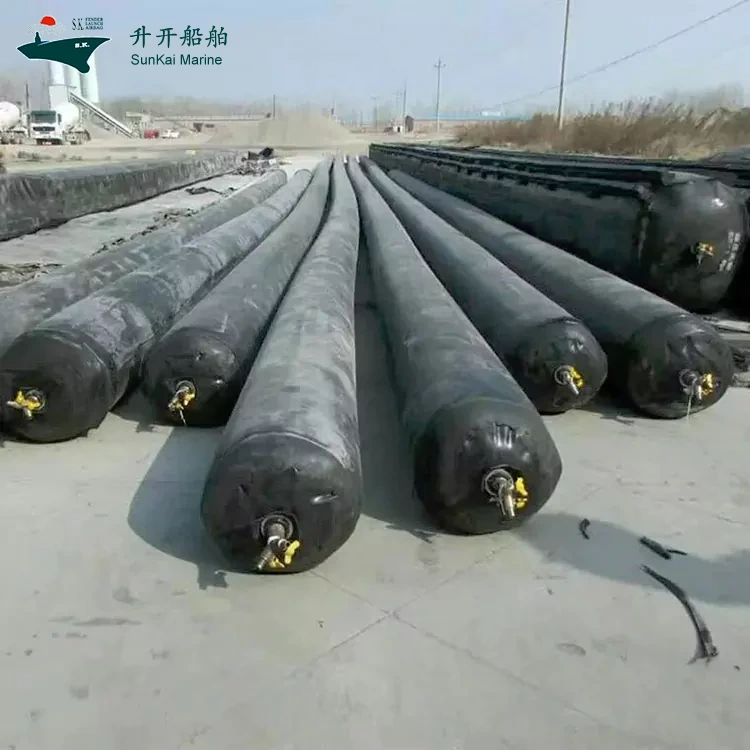
When a pipeline rupture or sewer backup occurs during off-hours, selecting the correct Pipe Plugging Airbags becomes the single most critical decision. An undersized unit will fail to seal, while an oversized one may not deploy correctly or could overstress the pipe walls. For professionals in municipal maintenance, construction, and industrial plumbing, understanding sizing protocols ensures safety and operational continuity. SunKai provides a comprehensive range of Pipe Plugging Airbags engineered for precision sealing in high-stakes emergency scenarios.
The Core Principle of Sizing
The primary rule for selecting Pipe Plugging Airbags is matching the deflated diameter to the pipe’s internal diameter (ID) while ensuring the inflated diameter exceeds the pipe’s ID by a safe margin. Most manufacturers, including SunKai, provide clear charts indicating minimum and maximum pipe diameters each bag accommodates. Using a bag outside its specified range risks bypass leakage or extrusion through joints.
Key Selection Criteria
| Selection Factor | Description | Impact on Emergency Repair |
|---|---|---|
| Pipe Diameter | Measure the exact internal diameter; do not rely on nominal pipe size. | Prevents blowouts and ensures full circumferential sealing. |
| Pipe Material | Concrete, clay, steel, or PVC each have different pressure tolerances. | SunKai bags feature reinforced layers to prevent abrasion damage. |
| Back Pressure | Calculate the maximum upstream pressure the bag will encounter. | Higher pressures require longer, multi-size bags or tandem setups. |
| Access Point | Manhole depth and entry size determine the maximum deflated bag footprint. | Ensures the bag can be maneuvered into position without damage. |
| Temperature & Media | Chemical exposure and ambient temperature affect rubber integrity. | SunKai uses high-grade synthetic rubber compounds for broad chemical resistance. |
Step-by-Step Sizing Process for Emergency Scenarios
-
Verify Pipe Diameter: Use a pipe caliper or telescopic rod. For ovalized or damaged pipes, measure the narrowest axis.
-
Calculate Maximum Test Pressure: Determine if the application requires blocking (no flow) or bypass pumping. Multiply the head pressure (feet of water) by 0.433 to get PSI.
-
Cross-Reference with Manufacturer Data: Refer to SunKai technical specifications. Each model lists a working pressure rating and the exact pipe diameter range it seals.
-
Consider Safety Factors: For emergency repairs with unknown downstream conditions, select a bag rated for 1.5 times the anticipated back pressure.
-
Inspect Inflation System: Ensure the air hose, pressure gauge, and safety relief valve are compatible with the selected Pipe Plugging Airbags model.
Pipe Plugging Airbags FAQ
What happens if I use a Pipe Plugging Airbag that is too long for the pipe?
Using an excessively long bag in a short pipe can cause the bag to fold or “accordion” during inflation. This creates uneven pressure distribution and prevents the bag from seating flush against the pipe wall. In emergency scenarios, this often leads to sudden deflation or the bag being ejected by back pressure. Always consult SunKai length guidelines to ensure the bag fits within the accessible pipe section without buckling.
Can the same Pipe Plugging Airbag be used for both round and egg-shaped pipes?
No. Standard Pipe Plugging Airbags are designed specifically for circular cross-sections. Using a round bag in an egg-shaped or oval pipe leaves voids that will leak under pressure. For non-circular pipelines, SunKai offers specialized profile plugs or multi-size modular systems. For emergency repairs, it is safer to use a bag matched exactly to the pipe shape to guarantee a full seal.
How do I know if the pipe wall is too rough for a standard Pipe Plugging Airbag?
Pipes with exposed aggregate, severe corrosion, or protruding service connections can puncture or abrade standard rubber surfaces. If visual inspection reveals sharp edges, you must either use a SunKai heavy-duty bag with extra-thick abrasion-resistant cover or install a protective sleeve (such as a rubber mat or steel shroud) between the bag and the pipe wall. Failing to do so risks catastrophic failure during inflation.
Common Sizing Mistakes in the Field
-
Relying on nominal pipe size: A 12-inch nominal pipe may have an internal diameter ranging from 11.5 to 12.75 inches depending on material and age.
-
Ignoring pipe ovality: Old clay or concrete pipes often deform; measure in multiple orientations.
-
Underestimating pressure: Blocking a 30-foot vertical riser generates nearly 13 PSI—enough to displace an improperly sized bag instantly.
Why Professional-Grade Equipment Matters
Emergency repairs leave no room for trial and error. SunKai Pipe Plugging Airbags are manufactured with multi-layer reinforcement, pressure-rated inflation valves, and color-coded sizing labels for rapid identification in dark or cramped conditions. Each unit undergoes rigorous testing to meet industry standards, ensuring that when a critical line fails, the repair proceeds without secondary failures.
Conclusion
Selecting the correct Pipe Plugging Airbags for emergency repairs requires precise measurement, accurate pressure calculation, and strict adherence to manufacturer specifications. By following structured sizing protocols and choosing reliable equipment from SunKai, technicians can secure pipelines safely on the first attempt, minimizing downtime and preventing hazardous blowouts.
For assistance with sizing charts, application-specific recommendations, or to explore the full range of Pipe Plugging Airbags, contact us today. Our team is ready to provide technical support and ensure your emergency response kit is fully equipped with the right tools for any pipeline challenge.