

How Do Modular Pontoons Transform Marine Construction and Floating Solutions?
2026-03-23
Article Summary
Modular pontoons have become a highly efficient and flexible solution for marine construction, floating platforms, and water-based infrastructure. This article provides a comprehensive overview of how modular pontoons work, their key advantages, technical parameters, and how to select the right configuration for different applications. It addresses common challenges such as installation complexity, durability, and cost efficiency, offering practical insights for decision-makers.
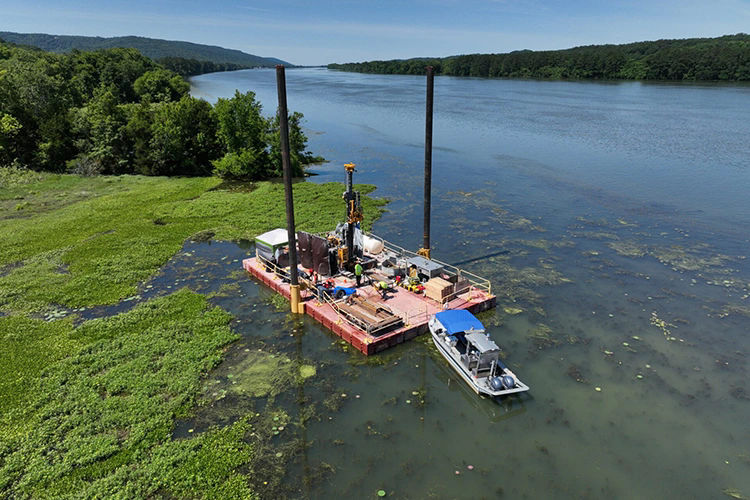
Table of Contents
- 1. What Are Modular Pontoons?
- 2. How Do Modular Pontoons Work?
- 3. Why Are Modular Pontoons in High Demand?
- 4. Key Features and Technical Specifications
- 5. Common Applications
- 6. How to Choose the Right Modular Pontoon System
- 7. Installation and Maintenance Guidelines
- 8. Frequently Asked Questions
- 9. Conclusion
1. What Are Modular Pontoons?
Modular pontoons are floating structures composed of interconnected units that can be assembled into various configurations. Unlike traditional fixed pontoons, modular systems are designed for flexibility, allowing users to expand, reconfigure, or relocate structures based on project requirements.
These pontoons are typically constructed from steel, aluminum, or high-density polyethylene, offering durability and resistance to harsh marine environments. Their modular design ensures ease of transport and rapid deployment, making them an ideal choice for both temporary and permanent installations.
2. How Do Modular Pontoons Work?
Modular pontoons function by distributing buoyancy evenly across multiple floating units. Each module contributes to the overall load-bearing capacity, ensuring stability and safety.
- Individual units provide buoyant support
- Connection systems ensure structural integrity
- Load is evenly distributed across the platform
- Anchoring systems maintain position in water
By combining multiple modules, users can create customized floating platforms tailored to specific operational needs, from small docks to large industrial barges.
3. Why Are Modular Pontoons in High Demand?
Customers across industries are increasingly adopting modular pontoons due to their adaptability and cost-effectiveness. Traditional marine construction methods often involve high costs, long timelines, and limited flexibility.
- Flexibility: Easily reconfigured for different uses
- Cost Efficiency: Reduced construction and labor costs
- Scalability: Expandable as project needs grow
- Portability: Simple transportation and relocation
- Durability: Resistant to corrosion and environmental impact
These advantages make modular pontoons particularly attractive for industries requiring temporary or mobile floating solutions.
4. Key Features and Technical Specifications
| Parameter | Description |
| Material | Steel, aluminum, or HDPE |
| Load Capacity | Customizable based on module quantity |
| Module Size | Standardized or custom dimensions |
| Connection Type | Bolt, pin, or interlocking system |
| Surface Treatment | Anti-corrosion coating or galvanization |
| Service Life | 10–25 years depending on material and maintenance |
Shandong Haiding Shipbuilding Co., Ltd. provides advanced modular pontoon systems designed to meet rigorous marine standards, ensuring long-term performance and reliability.
5. Common Applications
Modular pontoons are widely used across various industries due to their versatility.
- Floating docks and marinas
- Construction platforms
- Floating bridges
- Temporary work platforms
- Event and recreational structures
- Offshore support systems
Their adaptability allows them to serve both commercial and industrial purposes, making them a preferred solution in modern marine engineering.
6. How to Choose the Right Modular Pontoon System
Selecting the appropriate modular pontoon system requires careful consideration of project requirements and environmental conditions.
- Load Requirements: Determine maximum weight capacity
- Water Conditions: Consider waves, currents, and tides
- Material Selection: Choose based on durability and budget
- Configuration: Plan layout and expansion possibilities
- Compliance: Ensure adherence to local regulations
Working with an experienced manufacturer ensures that all technical and operational factors are properly addressed.
7. Installation and Maintenance Guidelines
Proper installation and routine maintenance are essential for maximizing the lifespan and performance of modular pontoons.
- Follow manufacturer guidelines during assembly
- Ensure secure connections between modules
- Use appropriate anchoring systems
- Inspect regularly for wear and damage
- Apply protective coatings when necessary
Regular maintenance minimizes operational risks and ensures consistent performance in demanding environments.
8. Frequently Asked Questions
Q1: How long do modular pontoons last?
Depending on the material and maintenance practices, modular pontoons can last between 10 and 25 years or more.
Q2: Are modular pontoons suitable for rough water conditions?
Yes, when properly designed and anchored, they can perform reliably in moderate to rough water environments.
Q3: Can modular pontoons be expanded after installation?
One of their main advantages is scalability. Additional modules can be added to expand the structure as needed.
Q4: What industries benefit most from modular pontoons?
Marine construction, offshore engineering, transportation, and recreational industries benefit significantly from their flexibility and efficiency.
9. Conclusion
Modular pontoons represent a modern and efficient solution for a wide range of floating applications. Their flexibility, durability, and cost-effectiveness make them an essential component in marine infrastructure projects. By selecting the right system and ensuring proper installation, users can achieve long-term operational success.
Shandong Haiding Shipbuilding Co., Ltd. continues to deliver high-performance modular pontoon solutions tailored to diverse industry needs, combining engineering expertise with reliable manufacturing standards.
If you are planning a marine project and require a dependable floating solution, contact us today to discover customized modular pontoon systems designed to meet your exact requirements.