

How Do Marine Communication Cables Ensure Reliable Connections in Harsh Ocean Environments?
2026-07-22
Article Summary
Marine communication cables are essential components for modern maritime operations, supporting reliable data transmission, navigation systems, offshore platforms, underwater monitoring, and ship-to-shore communication networks. However, marine environments create unique challenges, including saltwater corrosion, mechanical stress, extreme weather, electromagnetic interference, and long-term underwater exposure.
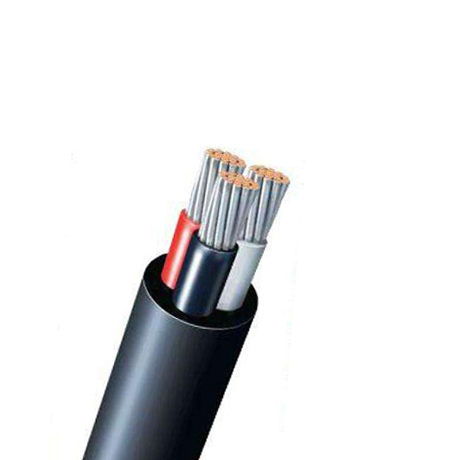
Choosing the right marine communication cable helps vessel operators, offshore engineering companies, and marine technology providers reduce communication failures, improve operational safety, and extend equipment service life. This article explains how marine communication cables work, their key features, selection considerations, common applications, and how professional cable manufacturers provide customized solutions for demanding marine environments.
Table of Contents
- 1. What Are Marine Communication Cables?
- 2. Why Are Marine Communication Cables Important for Maritime Systems?
- 3. What Challenges Do Marine Communication Cables Need to Overcome?
- 4. How Are Marine Communication Cables Designed for Reliability?
- 5. Main Applications of Marine Communication Cables
- 6. How to Choose the Right Marine Communication Cable?
- 7. Advantages of Working With Yangzhou Liyuan Wire & Cable Co.,Ltd.
- 8. Frequently Asked Questions About Marine Communication Cables
Article Outline
- Understanding the role of marine communication cables in modern maritime industries
- Analyzing environmental challenges affecting cable performance
- Exploring cable structures, materials, and protection technologies
- Identifying suitable cable solutions for different marine applications
- Learning how professional manufacturers improve cable reliability
What Are Marine Communication Cables?
Marine communication cables are specially designed cables used for transmitting voice, data, signals, and control information in marine environments. Unlike ordinary communication cables, marine cables must operate reliably under continuous exposure to moisture, seawater, vibration, pressure changes, and temperature fluctuations.
These cables are commonly installed on ships, offshore platforms, submarines, marine research equipment, and coastal communication systems. They support critical functions such as navigation communication, engine monitoring, safety systems, automation control, and real-time data exchange.
A typical marine communication cable consists of multiple protective layers, including conductors, insulation materials, shielding layers, fillers, and outer jackets. Each layer plays an important role in maintaining signal integrity and protecting internal components from external damage.
| Component | Function |
|---|---|
| Conductors | Transmit electrical signals and communication data |
| Insulation Layer | Prevents electrical leakage and improves safety |
| Shielding Layer | Reduces electromagnetic interference |
| Outer Jacket | Protects against water, chemicals, abrasion, and mechanical impact |
Why Are Marine Communication Cables Important for Maritime Systems?
Modern maritime operations depend heavily on stable communication networks. Ships and offshore facilities must continuously exchange information between navigation equipment, control systems, monitoring devices, and external communication centers.
A communication interruption in a marine environment can result in serious consequences, including navigation errors, delayed emergency response, equipment downtime, and increased operational costs.
High-quality marine communication cables provide several important benefits:
- Stable signal transmission over long distances
- Improved communication safety during extreme weather conditions
- Reduced maintenance requirements
- Longer service life in marine environments
- Better compatibility with advanced marine electronic systems
As maritime industries continue adopting automation, digital monitoring, and intelligent vessel management systems, reliable communication infrastructure has become increasingly important.
What Challenges Do Marine Communication Cables Need to Overcome?
Marine environments are among the most demanding operating conditions for cable systems. A cable that performs well on land may experience significant problems when exposed to seawater, pressure, and constant movement.
| Marine Challenge | Potential Impact | Required Cable Feature |
|---|---|---|
| Saltwater Exposure | Corrosion and material degradation | Water-resistant and corrosion-resistant materials |
| Mechanical Stress | Cable deformation or breakage | Strong structure and flexible design |
| Electromagnetic Interference | Signal distortion | Effective shielding technology |
| Temperature Changes | Insulation performance reduction | Temperature-resistant materials |
| Continuous Vibration | Connection instability | High durability construction |
For offshore applications, cable reliability is especially critical because repair operations can be expensive and time-consuming. Proper cable selection helps prevent unexpected failures and reduces lifecycle costs.
How Are Marine Communication Cables Designed for Reliability?
The reliability of marine communication cables depends on advanced engineering design and careful material selection. Professional manufacturers focus on several key technologies to ensure stable performance.
1. Water Resistance Protection
Marine cables require strong protection against water penetration. Specialized insulation and waterproof structures prevent moisture from reaching conductors and affecting transmission performance.
2. Strong Mechanical Protection
Ships and offshore equipment experience continuous movement caused by waves, vibration, and mechanical operations. Marine communication cables are designed with enhanced flexibility and strength to withstand these conditions.
3. Electromagnetic Shielding
Marine electronic systems often operate together in limited spaces. Shielding technology helps reduce interference from motors, generators, radar systems, and other electrical equipment.
4. Long-Term Environmental Resistance
High-quality marine cables use materials designed to resist aging, UV exposure, oil contamination, and chemical contact, ensuring reliable operation throughout their service period.
Main Applications of Marine Communication Cables
Marine communication cables are widely used across different maritime sectors. Their applications continue expanding as marine industries become more digital and automated.
- Commercial Ships: Used for navigation communication, monitoring systems, and onboard networks.
- Offshore Platforms: Support communication between equipment, control rooms, and remote monitoring centers.
- Submarine Systems: Provide reliable signal transmission in underwater environments.
- Marine Research Equipment: Enable data collection from underwater sensors and monitoring devices.
- Port Infrastructure: Connect communication and control systems for efficient operations.
| Application Area | Main Requirement |
|---|---|
| Ships | Flexible, vibration-resistant communication cables |
| Offshore Platforms | High durability and long-distance transmission capability |
| Underwater Equipment | Excellent waterproof performance |
| Marine Automation | Stable signal quality and interference resistance |
How to Choose the Right Marine Communication Cable?
Selecting a suitable marine communication cable requires evaluating operating conditions, system requirements, and long-term performance expectations.
- Check Environmental Conditions: Consider seawater exposure, temperature range, vibration levels, and installation location.
- Evaluate Transmission Requirements: Confirm required signal type, transmission distance, and communication speed.
- Select Proper Protection Level: Choose cables with suitable waterproof, shielding, and mechanical protection features.
- Consider Certification Requirements: Marine projects may require compliance with specific industry standards.
- Work With Experienced Manufacturers: Professional suppliers can provide customized solutions based on project requirements.
Advantages of Working With Yangzhou Liyuan Wire & Cable Co.,Ltd.
Yangzhou Liyuan Wire & Cable Co.,Ltd. specializes in providing reliable cable solutions for various industrial and communication applications. With professional manufacturing experience and advanced production capabilities, the company focuses on delivering cables that meet the demanding requirements of modern industries.
For marine communication cable applications, Yangzhou Liyuan Wire & Cable Co.,Ltd. emphasizes product reliability, material quality, and customized service. The company understands that different marine projects have different requirements, including installation environments, performance expectations, and technical specifications.
Key advantages include:
- Professional cable manufacturing experience
- Strict quality control throughout production
- Customized cable solutions for different applications
- Focus on stable performance and long service life
- Support for international customers and industrial projects
By combining engineering expertise with customer-focused service, Yangzhou Liyuan Wire & Cable Co.,Ltd. helps customers build reliable communication systems for challenging environments.
Frequently Asked Questions About Marine Communication Cables
Q1: What makes marine communication cables different from standard cables?
Marine communication cables are designed specifically for harsh marine environments. They provide better resistance against water, corrosion, vibration, and mechanical stress compared with ordinary communication cables.
Q2: Where are marine communication cables commonly installed?
They are commonly used in ships, offshore platforms, submarines, marine monitoring systems, ports, and underwater communication equipment.
Q3: How long can marine communication cables last?
The service life depends on cable quality, installation conditions, environmental exposure, and maintenance practices. High-quality marine cables can provide long-term stable performance when properly selected and installed.
Q4: Can marine communication cables be customized?
Yes. Professional cable manufacturers can customize cable structures, materials, sizes, shielding methods, and performance characteristics according to specific project requirements.
Q5: Why is cable quality important for marine communication systems?
Reliable cables reduce communication failures, improve operational safety, minimize maintenance costs, and support continuous operation in demanding marine conditions.
Conclusion
Marine communication cables play a vital role in maintaining reliable information exchange across ships, offshore facilities, and underwater systems. Because marine environments create challenges such as corrosion, vibration, moisture, and electromagnetic interference, selecting high-quality cable solutions is essential.
With professional manufacturing capabilities and a commitment to reliable cable solutions, Yangzhou Liyuan Wire & Cable Co.,Ltd. provides marine communication cables designed to support demanding industrial applications. If you need dependable marine cable solutions customized for your project requirements, please contact us for professional support and technical assistance.