Article Abstract
Colored asphalt shingles are among the most widely used roofing materials in residential and commercial construction due to their balance of durability, affordability, and design flexibility. This article explains how colored asphalt shingles work, why they are preferred in modern roofing systems, and how they solve common homeowner problems such as heat absorption, weather resistance, and aesthetic limitations. It also provides a structured buying guide, technical comparison, installation insights, and maintenance recommendations to help readers make informed decisions.
Outline
-
Introduction to Colored Asphalt Shingles
-
Key Benefits and Performance Features
-
How Colored Asphalt Shingles Are Manufactured
-
Installation Considerations
-
Maintenance and Lifespan Optimization
-
Comparison Table: Colored Asphalt Shingles vs Other Roofing Materials
-
Common Customer Pain Points and Solutions
-
FAQ Section
-
Conclusion and Professional Recommendation
1. Introduction to Colored Asphalt Shingles
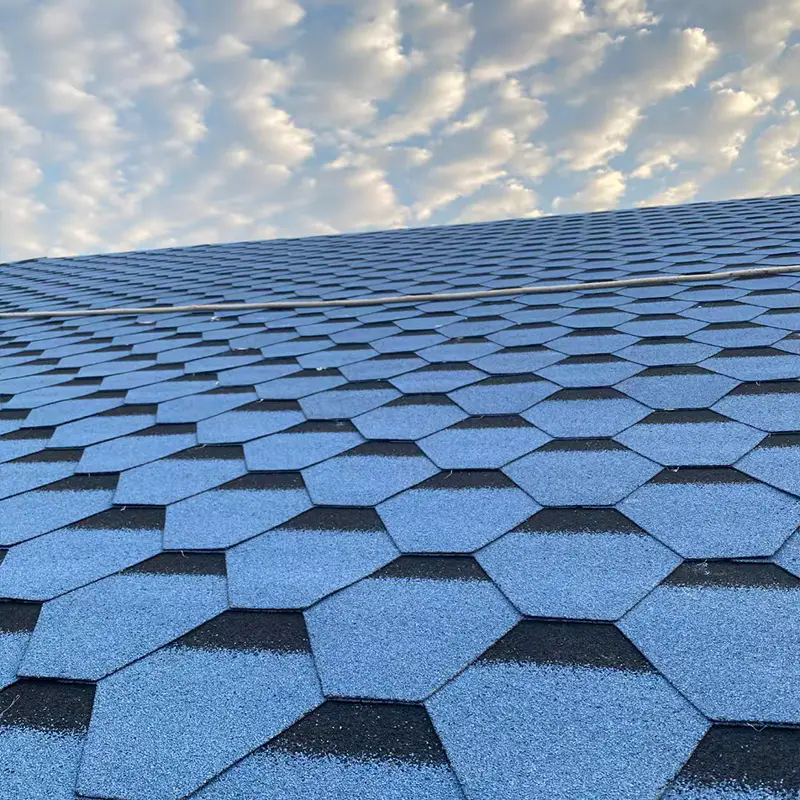
Colored asphalt shingles are a modern roofing solution designed to combine protection and visual appeal. Unlike traditional roofing materials that prioritize only durability, these shingles integrate mineral granules coated with color pigments, enabling homeowners to achieve a customized architectural appearance without sacrificing performance.
They are widely used in both residential and commercial buildings due to their adaptability to different climates, roof structures, and design preferences.
2. Key Benefits and Performance Features
Colored asphalt shingles solve multiple roofing challenges simultaneously. Below are the core advantages:
-
Weather Resistance: Designed to withstand heavy rain, wind, and UV exposure.
-
Thermal Regulation: Reflective granules reduce heat absorption in hot climates.
-
Aesthetic Flexibility: Available in multiple colors and textures to match architectural styles.
-
Cost Efficiency: Lower installation and maintenance costs compared to metal or tile roofing.
-
Noise Reduction: Asphalt layers help dampen external noise.
These features make them a practical choice for homeowners looking for both durability and design freedom.
3. How Colored Asphalt Shingles Are Manufactured
The manufacturing process involves multiple layers engineered for strength and longevity:
-
Base Mat: Fiberglass or organic felt provides structural integrity.
-
Asphalt Coating: Waterproof asphalt layer ensures moisture resistance.
-
Granule Layer: Ceramic-coated mineral granules add color and UV protection.
-
Sealant Strip: Enhances adhesion between shingles during installation.
This layered construction ensures a balance between flexibility and protection, making the shingles suitable for long-term use in varying environmental conditions.
4. Installation Considerations
Proper installation is essential for maximizing performance and lifespan. Key considerations include:
-
Ensuring roof deck is clean, dry, and structurally sound.
-
Using underlayment for additional waterproofing.
-
Aligning shingles accurately to prevent water infiltration.
-
Using corrosion-resistant fasteners for durability.
Professional installation is strongly recommended to avoid future leakage or structural issues.
5. Maintenance and Lifespan Optimization
Although colored asphalt shingles require minimal maintenance, periodic inspections significantly extend their service life.
-
Inspect roof twice a year for damage or displacement.
-
Remove debris such as leaves and branches.
-
Check gutters to ensure proper drainage.
-
Replace damaged shingles promptly to prevent water infiltration.
With proper care, these shingles can last 20–30 years depending on environmental conditions.
6. Comparison Table: Roofing Materials
|
Feature
|
Colored Asphalt Shingles
|
Metal Roofing
|
Ceramic Tiles
|
|
Cost
|
Low to Medium
|
High
|
High
|
|
Durability
|
Moderate to High
|
High
|
Very High
|
|
Installation Speed
|
Fast
|
Moderate
|
Slow
|
|
Design Variety
|
High
|
Medium
|
Low
|
7. Common Customer Pain Points and Practical Solutions
Many homeowners face recurring roofing issues. Colored asphalt shingles help address them effectively:
-
Problem: Heat buildup in summer → Solution: Reflective granules reduce surface temperature.
-
Problem: Frequent roof leaks → Solution: Multi-layer waterproof structure.
-
Problem: High renovation costs → Solution: Affordable installation and repair.
-
Problem: Limited design options → Solution: Wide color and style selection.
8. Frequently Asked Questions (FAQ)
Q1: How long do colored asphalt shingles last?
A: Typically 20 to 30 years depending on installation quality and climate conditions.
Q2: Are they suitable for hot climates?
A: Yes, reflective granules help reduce heat absorption and improve indoor comfort.
Q3: Can they be installed over existing roofing?
A: In some cases yes, but a structural inspection is required first.
Q4: Do they require special maintenance?
A: No special maintenance is required beyond routine inspections and cleaning.
Q5: Are they environmentally friendly?
A: Many modern versions are recyclable and designed to reduce energy consumption.
9. Conclusion and Professional Recommendation
Colored asphalt shingles represent a balanced roofing solution that integrates durability, cost efficiency, and aesthetic flexibility. For homeowners and contractors seeking a reliable roofing material that performs well across different environments, they remain a highly practical choice.
With continuous improvements in manufacturing technology, these shingles now offer enhanced resistance, better energy efficiency, and longer service life.
For high-quality roofing materials and professional-grade colored asphalt shingles, Shandong Haoyuan Waterproof Technology Group Co., Ltd. provides reliable solutions tailored to diverse construction needs.
If you are planning a roofing project or seeking product consultation, contact us today to get expert guidance and tailored solutions for your building requirements.