

Choosing dredging equipment is a major decision for contractors working on ports, rivers, reservoirs, mining sites, and coastal development projects. The wrong equipment configuration can lead to low production, excessive fuel consumption, frequent wear-part replacement, and unexpected project delays.
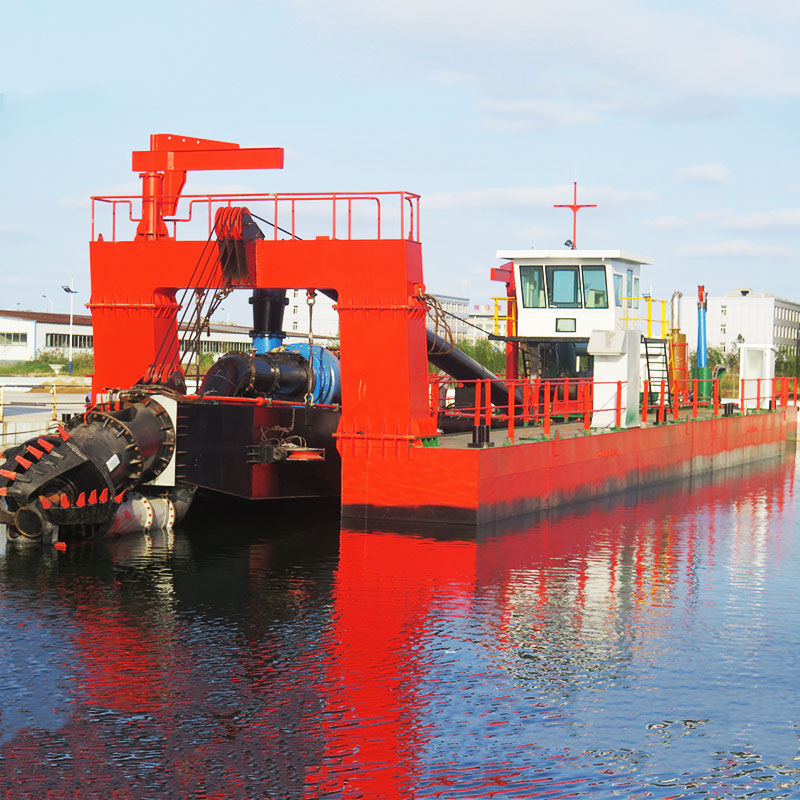
A Depth 20m Cutter Suction Dredger is designed for underwater excavation projects that require substantial working depth and hydraulic sediment transportation. However, its real value depends on how well the equipment matches the project's soil conditions, pipeline layout, production targets, and operating environment.
For buyers in North and South America, understanding these factors before procurement can help reduce operational risks and improve long-term project planning.
1. Why Dredging Projects Need Careful Equipment Planning
Dredging projects often operate under strict schedules and budget limits. A delay in equipment delivery, unsuitable pump selection, or unexpected sediment conditions can affect the entire project timeline.
For deep excavation projects, selecting equipment based only on maximum dredging depth is not enough. A dredger may reach the required depth but still fail to meet the production target if the pump, cutter, or discharge pipeline is not correctly matched to the working conditions.
Common challenges include:
- Uncertain sediment composition and changing soil conditions.
- Long discharge distances that increase pipeline resistance.
- High wear rates when pumping abrasive materials.
- Fuel consumption that exceeds the original project estimate.
- Limited access to replacement parts and technical support.
- Transportation and installation delays at remote project sites.
- Environmental restrictions affecting dredging schedules and disposal arrangements.
These challenges highlight why technical planning should take place before purchasing a dredger. A complete equipment assessment helps contractors evaluate both initial investment and long-term operating expenses.
2. How a Cutter Suction Dredger Supports Project Efficiency
A cutter suction dredger combines mechanical excavation with hydraulic transportation. This integrated process can reduce the need for separate excavation and material-handling operations in suitable projects.
Continuous Excavation and Transportation
The cutter head loosens underwater material while the pump draws the sediment-water mixture into the suction system. The mixture is then transported through a pipeline to the designated discharge area. When site conditions and equipment capacity are properly matched, this arrangement can support continuous production.
Adaptability to Different Project Layouts
Pipeline transportation can provide flexibility where the receiving area is located away from the excavation site. The actual distance and elevation must be calculated according to pump capacity, material properties, and pipeline resistance.
Controlled Excavation
With appropriate positioning and operating procedures, the dredger can work through planned excavation sections. Controlled cutting and positioning help maintain the required channel or basin profile.
Mechanical Cutting for Cohesive Sediment
The cutter head can loosen materials that may be difficult to remove through suction alone. Cutter design and power should be matched to the site's actual sediment conditions.
The best project results usually come from matching the cutter, pump, pipeline, operating method, and discharge arrangement to the same set of project requirements.
3. Choosing the Right Equipment Configuration
Two dredgers with the same stated maximum depth may have different working capabilities. Buyers should examine the complete technical specification and confirm that the equipment is suitable for the intended project.
| Configuration Factor | Why It Matters | Questions to Ask the Supplier |
|---|---|---|
| Maximum dredging depth | Determines the equipment's stated excavation reach. | How is the depth measured, and under what conditions is it achieved? |
| Cutter head design | Affects excavation performance and wear. | Which cutter arrangement is suitable for the site's sediment? |
| Pump capacity | Influences slurry flow and transportation performance. | Can the supplier provide the pump curve and operating range? |
| Engine and power system | Supports pumping, cutting, and auxiliary functions. | What are the rated power and expected fuel consumption? |
| Pipeline configuration | Determines the material transportation arrangement. | What pipeline diameter and discharge distance are recommended? |
| Positioning system | Supports stability and controlled movement. | What positioning method is included in the configuration? |
| Maintenance access | Affects inspection time and service costs. | Which components require routine replacement? |
For buyers comparing multiple suppliers, a specification comparison sheet is useful. It allows the project team to evaluate equipment based on consistent operating assumptions rather than comparing isolated figures.
4. Understanding Production Capacity
Production capacity is one of the most important factors in dredger selection. However, it should be evaluated carefully because different suppliers may use different measurement methods.
Some production figures refer to the total volume of slurry transported per hour, while others refer to the estimated volume of solids or in-situ sediment removed. These figures are not interchangeable.
Slurry Flow and Solid Production
The material pumped through a dredging pipeline contains both water and sediment. The total slurry volume may therefore be significantly higher than the actual volume of excavated solids.
When evaluating a quotation, buyers should ask whether the stated capacity refers to:
- Total slurry flow rate.
- Estimated solid material volume per hour.
- Dry solids mass per hour.
- Expected production under specific soil and pipeline conditions.
Factors That Influence Actual Output
Actual production changes according to sediment density, particle size, cutting resistance, slurry concentration, water depth, pipeline length, pump operating point, and equipment availability.
For example, soft sediment may be easier to excavate than compacted clay. However, a long discharge pipeline or a large elevation difference may reduce transportation performance even when excavation itself is relatively easy.
Contractors should request a performance estimate based on representative site conditions. This is more useful than relying on a single maximum-capacity figure.
5. Managing Fuel and Operating Costs
Fuel and energy costs can represent a significant part of a dredging project's operating budget. A well-planned equipment configuration can help avoid unnecessary power consumption and improve the relationship between energy use and actual production.
Match Pump Capacity to the Pipeline
An unsuitable pump and pipeline combination may cause inefficient operation. Excessive resistance, inappropriate pipe diameter, or poor system layout can increase the power required to transport the slurry.
Use Suitable Cutting Parameters
Cutting too aggressively may increase mechanical load and wear, while insufficient cutting can reduce material intake. Operators should adjust cutter movement according to the sediment and equipment instructions.
Monitor Operating Conditions
Tracking engine load, pump pressure, operating hours, and production records helps project managers identify abnormal consumption patterns and improve planning.
Consider Total Ownership Cost
The purchase price is only one part of the investment. Fuel, maintenance, spare parts, transportation, commissioning, and operator training should also be included in the cost evaluation.
| Cost Category | Typical Cost Drivers | Cost Management Approach |
|---|---|---|
| Fuel and energy | Engine load, operating hours, and system efficiency. | Monitor consumption and optimize operating procedures. |
| Wear parts | Material abrasiveness and operating conditions. | Use suitable wear-resistant components and inspect regularly. |
| Maintenance | Service intervals and component accessibility. | Follow preventive maintenance schedules. |
| Transportation | Equipment dimensions, route, and shipping method. | Plan logistics before confirming the purchase. |
| Downtime | Equipment failure and spare-part availability. | Prepare critical spare parts and service arrangements. |
6. Planning the Discharge Pipeline
The discharge pipeline is a critical part of the dredging system. Even when the dredger has sufficient excavation capability, poor pipeline planning can limit the overall project performance.
Pipeline Distance
Longer pipelines generally create greater friction losses. The pump must be selected based on the total system resistance, not simply the straight-line distance between the dredger and the discharge point.
Elevation Changes
If material must be transported uphill or to a raised reclamation area, additional pumping head may be required. The route should be evaluated for elevation changes and possible pressure losses.
Pipeline Diameter
Pipe diameter influences slurry velocity and friction loss. An unsuitable diameter may increase operating costs or create conditions that encourage sediment settling and blockages.
Pipeline Materials and Connections
Pipeline material should be suitable for the working pressure, sediment abrasiveness, water environment, and installation method. Floating pipeline sections, shore-based pipes, bends, and joints should all be included in the system design.
Provide the supplier with the planned discharge distance, discharge elevation, pipeline diameter if already determined, and the intended disposal or reclamation location. These details help the technical team assess the complete pumping system.
7. Project Considerations in North and South America
North and South America include a wide range of dredging environments. Equipment planning should account for regional geography, climate, project regulations, transport infrastructure, and local operating conditions.
North American Projects
In the United States and Canada, dredging may support commercial ports, inland navigation, industrial waterways, coastal protection, reservoir management, and infrastructure development.
Contractors should review applicable federal, state, provincial, and local requirements. Depending on the project, permitting may involve water quality, aquatic habitat, sediment disposal, navigation, and environmental impact considerations.
Cold-weather operation may also influence equipment planning in certain locations. Hydraulic systems, fuel arrangements, electrical components, storage procedures, and maintenance schedules should be reviewed for the expected climate.
South American Projects
South America has extensive river systems, coastal ports, inland waterways, mining regions, and industrial development areas. Dredging projects may involve channel maintenance, sediment removal, sand recovery, port expansion, and reclamation.
In some locations, seasonal rainfall and river-level changes can affect current conditions, water depth, sediment transport, and equipment access. Project teams should use site surveys and seasonal operating data when preparing dredging plans.
Remote project locations may also create challenges for spare-part supply and technical service. Buyers should consider maintenance accessibility and delivery arrangements during procurement.
| Regional Consideration | North America | South America |
|---|---|---|
| Common project environments | Commercial ports, inland waterways, reservoirs, coastal infrastructure. | Large rivers, coastal ports, mining areas, reclamation projects. |
| Potential climate factors | Cold-weather operation in some regions and seasonal storms. | Heavy rainfall, seasonal river-level changes, and tropical conditions in some areas. |
| Procurement concerns | Technical compliance, logistics, service support, and project permits. | Transport access, customs planning, spare parts, and local operating conditions. |
| Important site data | Bathymetry, sediment survey, current, and discharge location. | Water-level variation, sediment composition, current, and access conditions. |
These are broad regional considerations rather than universal rules. Every project requires its own technical survey and regulatory review.
8. Transportation, Installation, and Commissioning
Transportation planning is especially important when purchasing dredging equipment from an overseas manufacturer. A dredger's dimensions, weight, structural arrangement, and disassembly requirements can affect shipping costs and delivery schedules.
Confirm Shipping Dimensions
Request overall dimensions, component weights, packing details, lifting points, and any disassembly instructions. These details help logistics providers determine suitable transport arrangements.
Review the Delivery Scope
Buyers should confirm which components are included in the supply package. The scope may cover the dredger, cutter system, pump, pipeline accessories, control equipment, spare parts, and technical documents, depending on the quotation.
Plan Installation and Commissioning
Before the equipment arrives, prepare the site, lifting equipment, access routes, power or fuel arrangements, pipeline route, and required personnel. Commissioning should follow the manufacturer's procedures and applicable safety requirements.
Prepare Operator Training
Operators should understand the dredger's control system, normal operating limits, inspection routines, and emergency procedures. Training helps establish consistent operating practices from the beginning of the project.
9. Reducing Maintenance Costs and Downtime
Maintenance planning is essential for keeping a dredger productive over extended operating periods. The cutter head and pump are particularly important because they are directly exposed to sediment and abrasive materials.
Inspect the Cutter System
Check cutter teeth, fastening points, structural components, and signs of uneven wear. Replace damaged components according to the manufacturer's recommendations.
Monitor Pump Wear
Sand, gravel, and other abrasive particles can accelerate wear in pump components. Regular inspections help identify performance changes before they develop into more serious problems.
Check Hydraulic and Mechanical Systems
Inspect hoses, seals, bearings, lubrication points, and other moving components. Unusual vibration, temperature changes, or leakage should be investigated promptly.
Maintain a Spare Parts Plan
Remote sites may experience longer delivery times for replacement components. Preparing a list of critical spare parts based on expected operating hours and sediment conditions can help reduce interruptions.
Keep Operating Records
Maintenance logs should record operating hours, inspection results, replacement parts, fuel consumption, and any equipment faults. These records support better maintenance scheduling and future procurement decisions.
10. A Practical Procurement Checklist
Before ordering a Depth 20m Cutter Suction Dredger, buyers should prepare a clear project specification. The more accurate the information, the easier it is for the supplier to recommend an appropriate configuration.
| Information to Prepare | Details to Provide |
|---|---|
| Project location | Country, region, site access, and delivery destination. |
| Required dredging depth | Target depth, existing water depth, and excavation profile. |
| Sediment conditions | Soil type, particle size, density, and available survey data. |
| Production target | Expected solids production or project volume and schedule. |
| Discharge arrangement | Pipeline distance, elevation, destination, and available space. |
| Operating environment | Current, waves, water-level variation, and seasonal conditions. |
| Logistics requirements | Shipping port, inland transport, installation, and commissioning. |
| Service requirements | Spare parts, technical support, training, and documentation. |
It is also advisable to request the following documents from the supplier where applicable:
- Technical specification sheet and general arrangement drawing.
- Pump performance information and operating recommendations.
- Equipment configuration and supply scope.
- Maintenance instructions and recommended spare-parts list.
- Installation, commissioning, and operating documentation.
- Warranty terms and after-sales service arrangements.
Clear communication at the quotation stage can prevent misunderstandings about equipment capabilities, included accessories, delivery terms, and technical responsibilities.
11. Frequently Asked Questions
Q1: How do I know whether a 20m cutter suction dredger is suitable for my project?
Compare the required excavation depth, sediment characteristics, pipeline distance, water conditions, and production target with the manufacturer's technical specifications. A site survey is strongly recommended.
Q2: Does a 20-meter dredging depth guarantee a specific production rate?
No. Maximum dredging depth and production capacity are separate performance indicators. Actual output depends on sediment, pump conditions, pipeline resistance, cutter configuration, and operating methods.
Q3: What information is needed to calculate pipeline requirements?
Important information includes pipeline length, diameter, elevation changes, sediment properties, expected slurry concentration, and the required discharge flow. The supplier can use these details to evaluate pump requirements.
Q4: Can the dredger be used for both river and port projects?
Potentially, yes. However, the equipment configuration must match each project's water conditions, sediment, excavation profile, and operating requirements. One configuration may not be ideal for every site.
Q5: What affects the maintenance cost of a cutter suction dredger?
Maintenance costs are influenced by operating hours, sediment abrasiveness, component quality, operating practices, and the availability of replacement parts.
Q6: Should overseas buyers consider transportation costs before purchasing?
Yes. Shipping dimensions, component weights, disassembly requirements, customs procedures, inland transport, and installation arrangements should all be considered when estimating the total project investment.
Q7: What should I ask a manufacturer before requesting a quotation?
Ask about maximum dredging depth, pump specifications, cutter design, expected production under your site conditions, pipeline requirements, delivery scope, warranty, spare parts, and technical support.
Q8: How can I reduce unexpected downtime?
Use preventive maintenance, monitor operating parameters, train operators, inspect wear components, and prepare critical spare parts based on the project's operating conditions.
Conclusion: Make Equipment Selection Part of Your Project Strategy
A Depth 20m Cutter Suction Dredger can support demanding dredging operations, but successful project performance depends on much more than its maximum working depth. Pump and cutter compatibility, sediment conditions, pipeline design, operating procedures, maintenance planning, and logistics all contribute to the final result.
For contractors and equipment buyers in North and South America, a detailed technical discussion before procurement can help reduce uncertainty and improve cost planning. Preparing accurate site information also enables manufacturers to recommend a more appropriate configuration.
Royang Dredger Company Limited focuses on dredging equipment solutions for projects with different operating requirements. Whether you are planning river maintenance, port construction, land reclamation, or sand dredging, the right equipment configuration starts with understanding your project conditions.
Tell us about your required dredging depth, sediment type, discharge distance, and expected production target. Our team can discuss the technical details and help you evaluate a suitable solution.
Contact us today to learn more about our Depth 20m Cutter Suction Dredger and discuss your next dredging project.