

Article Summary: Deep dredging projects require equipment that can achieve stable excavation depth, maintain continuous operation, and handle different underwater materials efficiently. A Depth 20m Cutter Suction Dredger is designed for projects where deeper sediment removal, sand recovery, channel maintenance, and land reclamation are required. This article explains how this type of dredger works, its major advantages, application areas, important purchasing factors, maintenance considerations, and how contractors can select a reliable dredging solution from Royang Dredger.
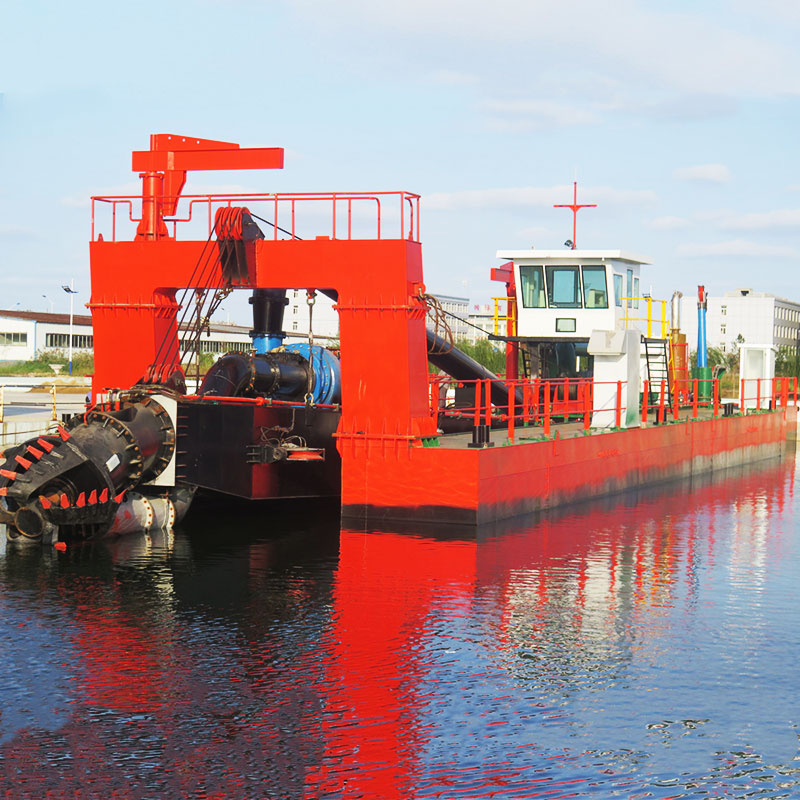
1. Understanding Depth 20m Cutter Suction Dredger
Dredging projects often face challenges such as deep sediment layers, changing underwater conditions, limited working space, and demanding production targets. Choosing unsuitable equipment may lead to low efficiency, frequent downtime, and increased operating costs.
A Depth 20m Cutter Suction Dredger is developed for underwater excavation operations that require a working depth of approximately 20 meters. It combines a rotating cutter head, suction system, dredging pump, and pipeline transportation system to continuously remove and transport underwater materials.
According to Royang Dredger, this type of dredger can be designed with detachable structures, diesel or electric power systems, and customized configurations according to project requirements. The equipment is suitable for rivers, lakes, ports, and coastal areas where sand, mud, clay, and other sediments need to be removed. :chatgpt-content-reference{index="0"}
Unlike simple suction equipment, cutter suction dredgers can loosen harder materials before suction, improving excavation capability in complicated soil conditions.
2. How the Dredging Process Works
The working principle of a cutter suction dredger is based on mechanical cutting combined with hydraulic transportation. Understanding the process helps project owners choose suitable equipment and estimate operating performance.
Step 1: Cutting underwater materials
The cutter head rotates at the end of the ladder structure and breaks underwater soil, sand, clay, or sediment into smaller particles. The cutter design allows the machine to handle different soil conditions more effectively than traditional suction methods.
Step 2: Creating slurry mixture
After cutting, the loosened materials mix with water and form slurry. This mixture can then be transported through the suction pipe.
Step 3: Pumping and transportation
The dredging pump generates suction force and transfers the slurry through floating pipelines or discharge pipelines to the designated location.
Step 4: Continuous excavation
Because cutting, suction, and transportation are integrated into one system, the dredger can continue operating with fewer interruptions compared with traditional excavation methods.
| Working Stage | Main Equipment | Purpose |
|---|---|---|
| Material cutting | Cutter head | Break underwater soil and sediment |
| Material suction | Dredging pump | Create slurry transportation flow |
| Pipeline transfer | Discharge pipeline | Move dredged materials to target area |
| Position control | Winches and spuds | Maintain stable dredging operation |
3. Key Features and Advantages of Depth 20m Cutter Suction Dredger
Deep excavation capability
The ability to reach around 20 meters underwater makes this dredger suitable for projects requiring deeper channel improvement, sediment removal, and material extraction.
Strong adaptability to soil conditions
Different projects encounter different underwater materials. A cutter suction dredger can work with sand, mud, clay, and relatively hard soil conditions by selecting suitable cutter designs and operating parameters.
Efficient continuous operation
Continuous dredging reduces the need for repeated excavation cycles. This helps improve productivity for large-scale projects where stable material removal is important.
Easy transportation with modular structure
Many dredgers use detachable pontoon structures, allowing easier transportation by road, container, or other logistics methods. This is especially valuable for international projects requiring equipment relocation.
Customizable configuration
Project requirements vary greatly. Power systems, pump capacity, pipeline distance, anchor systems, and other components can often be customized based on working conditions.
4. Main Application Areas
A Depth 20m Cutter Suction Dredger can support various water engineering projects. Selecting the correct configuration depends on the project objective, soil condition, and production requirement.
| Application | Project Purpose | Main Requirement |
|---|---|---|
| River dredging | Remove accumulated sediment and improve water flow | Stable operation and sediment handling ability |
| Port maintenance | Maintain navigation depth | Reliable deep excavation performance |
| Land reclamation | Create new land areas using dredged materials | Long-distance slurry transportation |
| Sand mining | Recover construction materials | High production efficiency |
| Lake restoration | Remove polluted sediment | Precise excavation control |
Royang Dredger manufactures cutter suction dredgers for applications including rivers, lakes, ports, and coastal projects, with customized options available according to customer requirements. :chatgpt-content-reference{index="1"}
5. How to Select the Right Depth 20m Cutter Suction Dredger
Buying a dredger is a long-term investment. Incorrect equipment selection may create unnecessary fuel consumption, maintenance costs, and production delays.
Consider the dredging depth
Confirm the actual working depth required. A machine designed for shallow operations may not provide stable performance in deeper projects.
Evaluate soil conditions
Different materials require different cutter power and pump performance. Hard clay and compacted sand require stronger cutting ability than soft sediment.
Check pumping distance
The discharge distance affects pump selection and pipeline design. Longer transportation distances may require higher pump capacity or booster stations.
Review power system requirements
Diesel engines are commonly used for mobile projects, while electric systems may be preferred in locations with available power infrastructure.
- Required dredging depth
- Material type and density
- Expected production capacity
- Discharge distance
- Transportation conditions
- Maintenance availability
- Environmental requirements
6. Important Components Explained
Cutter head
The cutter head directly contacts underwater materials. Its design affects cutting efficiency, wear resistance, and suitability for different soil conditions.
Dredging pump
The pump is responsible for moving slurry through pipelines. Pump durability and performance directly influence project productivity.
Hydraulic system
The hydraulic system controls important operations such as cutter movement, ladder lifting, and winch operation.
Pontoon structure
The hull structure provides flotation and stability. Detachable pontoons can simplify transportation and assembly.
Control system
Modern dredgers use advanced control systems to improve operational accuracy and reduce operator workload.
7. Operation and Maintenance Tips
Proper operation and regular maintenance are essential for extending equipment service life.
- Inspect cutter teeth and replace worn parts in time.
- Check pump components regularly to prevent unexpected downtime.
- Maintain hydraulic oil quality and inspect hydraulic pipelines.
- Clean equipment after operations in corrosive environments.
- Follow recommended operating procedures.
- Keep maintenance records for important components.
Preventive maintenance helps reduce repair costs and improves project reliability, especially for long-duration dredging operations.
8. Common Purchasing Mistakes
Choosing only by price
The lowest purchase price does not always mean the lowest project cost. Fuel consumption, spare parts availability, and downtime should also be considered.
Ignoring local working conditions
A dredger suitable for one project may not perform well in another environment. Soil type, water depth, and transportation conditions must be evaluated.
Not confirming after-sales support
Technical support and spare parts supply are important factors affecting long-term operation.
Buying without customization discussion
Every dredging project has unique requirements. Confirm technical specifications with the manufacturer before production.
9. Frequently Asked Questions
Q1: What is a Depth 20m Cutter Suction Dredger?
It is a cutter suction dredging machine designed for underwater excavation operations reaching approximately 20 meters depth, combining cutting, suction, and slurry transportation functions.
Q2: What materials can this dredger handle?
It can generally handle sand, mud, clay, sediment, and other underwater materials depending on configuration and cutter design.
Q3: Can the dredger be customized?
Yes. Configuration options such as power system, pumping capacity, anchor equipment, and transportation structure can be customized according to project requirements.
Q4: Why is cutter suction technology effective?
The cutter head loosens underwater materials before suction, allowing more efficient handling of compacted or harder sediments.
Q5: How can I choose a suitable model?
Consider working depth, soil condition, production target, discharge distance, and project environment before selecting equipment.
Work with Royang Dredger for Reliable Dredging Solutions
A suitable Depth 20m Cutter Suction Dredger can significantly improve project efficiency, reduce operational challenges, and provide stable performance for demanding underwater excavation tasks. Choosing the right configuration requires careful evaluation of working conditions, technical requirements, and long-term service needs.
Royang Dredger provides professional dredging equipment solutions with customized designs for different project environments. If you need detailed specifications, technical support, or a suitable dredging solution, please contact us today to discuss your requirements and receive professional assistance.