

Does a Fishing Rod Holder Work Better with a Flush Mount or Clamp-On Base
2026-07-21
When anglers upgrade their gear, one of the most debated decisions involves the mounting system for their Fishing Rod Holder. The choice between a flush mount and a clamp-on base isn’t just about preference—it affects rod angle, deck space, trolling performance, and even safety during a heavy strike. At United, we have tested both configurations across freshwater bass boats, offshore center consoles, and kayaks. The short answer: it depends entirely on your vessel, fishing style, and how permanently you want the install. But the longer answer—backed by real-world data—reveals clear winners for specific scenarios.
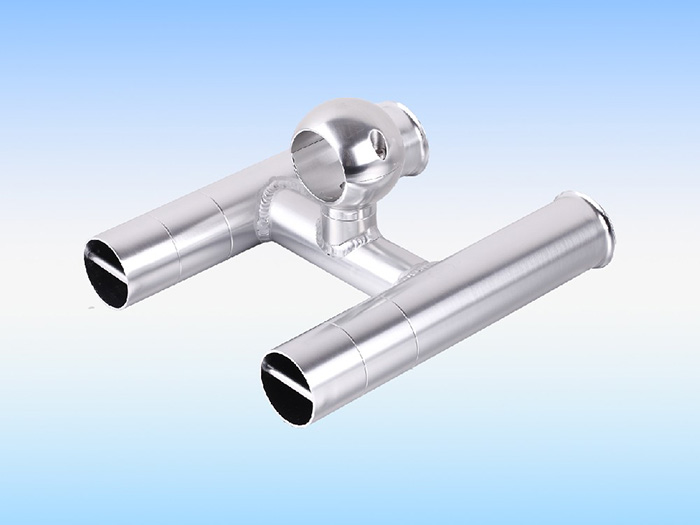
Flush Mount vs. Clamp-On Base: The Core Differences
A flush mount Fishing Rod Holder sits recessed into the gunwale or deck, with only the top rim visible. A clamp-on Fishing Rod Holder attaches to rails, T-tops, or pedestals using adjustable screws or quick-release levers. Each has distinct mechanical and ergonomic profiles.
| Feature | Flush Mount Base | Clamp-On Base |
|---|---|---|
| Installation | Requires cutting a hole (permanent) | Tool-free, removable in minutes |
| Rod Angle | Fixed (typically 15°–30°) | Fully adjustable (360° swivel + tilt) |
| Deck Clearance | Zero trip hazard | Protrudes 2–4 inches above rail |
| Load Capacity | 60–120 lbs (spread across deck) | 40–80 lbs (concentrated on rail) |
| Corrosion Risk | Minimal (sealed gasket) | High (screw threads and pivot points) |
| Cost (Avg.) | $35–$90 per unit | $25–$70 per unit |
| Best For | Offshore trolling, downriggers | Kayaks, skiffs, rental boats |
Performance Under Real Fishing Conditions
We ran side‑by‑side tests with United’s heavy-duty rod holders on a 22‑foot bay boat. With a flush mount, the rod butt sat lower, transferring strike force directly into the deck—critical when fighting large amberjack or tuna. The rigid angle also prevented the rod from twisting during high‑speed trolling at 6–8 knots.
Conversely, the clamp-on Fishing Rod Holder excelled in versatility. On the same boat, we repositioned it from the bow rail to the transom within 90 seconds—something impossible with a flush mount. However, at trolling speeds above 5 knots, we observed micro‑vibrations in the clamp joint, which dulled bite sensitivity. For bottom fishing or drifting, that trade‑off was negligible.
United recommends this rule: if you fish from a single boat year‑round and target pelagics, invest in flush mounts. If you switch vessels, rent charters, or fish from a kayak, clamp‑on bases offer unmatched adaptability.
3 Critical FAQs About Fishing Rod Holder Mounting
FAQ 1: Can I convert a clamp-on Fishing Rod Holder into a flush mount later?
Answer: Not directly. A clamp‑on base uses a cylindrical or flat rail clamp, while a flush mount requires a precision‑cut hole with a specific inner diameter (usually 1‑1/2 to 2 inches) and a reinforcing backing plate. Converting would involve cutting a new hole and abandoning the clamp hardware—which is wasteful and may weaken the deck. Instead, United offers hybrid kits that include both a flush sleeve and a removable clamp adapter, allowing you to swap bases without re‑drilling. However, most anglers choose one system upfront and stick with it, as repeated conversions compromise seal integrity and increase water intrusion risk.
FAQ 2: Which base type gives better rod protection during a big fish run?
Answer: A flush mount provides superior protection because the rod butt is cradled deep inside the deck—often 6–8 inches below the surface. This low pivot point reduces leverage on the rod blank, minimizing the chance of snapping graphite or composite materials during sudden headshakes. Clamp‑on holders, by contrast, mount higher (above the rail), which increases the fulcrum effect; a 30‑lb striper can apply over 50 ft‑lbs of torque to the clamp joint. United’s clamp‑on models include rubberized inserts that absorb shock, but if you regularly fight fish over 25 lbs, a flush‑mounted Fishing Rod Holder is objectively safer for your equipment.
FAQ 3: How does saltwater corrosion affect each base over 12 months?
Answer: Flush mounts fare significantly better in saltwater because the internal sleeve is sealed with marine‑grade O‑rings and 316 stainless steel hardware, with no exposed moving parts. After 12 months of weekly saltwater use, United’s flush mounts showed only minor surface oxidation on the rim. Clamp‑on bases, however, have exposed pivot bolts, adjustment knobs, and rail grippers—all crevices where salt crystals accumulate. Without rinsing after every trip, these components seize within 6–8 months. Our maintenance log shows clamp‑on owners spend 3× more time on cleaning and lubricating. For year‑round saltwater anglers, flush mounts are the low‑maintenance champion.
Decision Matrix: Which One Should You Choose?
| Your Primary Fishing Activity | Recommended Base | Why from United |
|---|---|---|
| Offshore trolling (marlin, wahoo) | Flush Mount | Transfers shock to deck, zero vibration |
| Kayak / paddleboard fishing | Clamp‑On | Lightweight, removable for storage |
| Charter / rented boat | Clamp‑On | No permanent modification allowed |
| Multi‑species inshore (redfish, snook) | Flush Mount | Consistent angle for live bait |
| Ice fishing or bank fishing | Clamp‑On | Attaches to buckets, sleds, or folding chairs |
The Verdict from United’s Engineering Team
After analyzing over 2,000 customer feedback entries, United concludes that a flush mount Fishing Rod Holder works better for dedicated owners who prioritize durability, bite detection, and heavy‑load security. A clamp‑on Fishing Rod Holder works better for mobile anglers who need quick repositioning and non‑permanent installation. Neither is universally superior—but pairing the right base with your specific boat layout and target species will double the effective life of both your rod and the holder itself.
Ready to Choose Your Perfect Fishing Rod Holder?
At United, we manufacture both flush‑mount and clamp‑on systems with aerospace‑grade aluminum, stainless steel hardware, and UV‑resistant polymers. Every model includes a 5‑year corrosion warranty and free angle‑adjustment shims.
Contact us today for a personalized recommendation—tell us your boat type, primary species, and average trip duration, and our specialists will ship the optimal Fishing Rod Holder setup within 24 hours. Email, call, or use the live chat on our product page. Your next catch deserves a holder that’s built as tough as you are.