

Offshore Catamaran Ferry: Your Ultimate Guide to Fast and Comfortable Island Hopping
2026-07-17
Dreaming of island-hopping without the usual ferry fatigue? Offshore catamaran ferries are redefining sea travel with their blend of speed and comfort, slicing through waves while you relax in style. But not all catamarans are created equal, and choosing the right one can feel overwhelming. That’s where Allheart comes in—a name synonymous with cutting-edge design and passenger-first innovation. In this guide, we’ll unravel the secrets behind these remarkable vessels and show you why your next adventure deserves an upgrade.
Why Catamarans Are Redefining Island Transfers
There’s something almost magical about gliding across turquoise waters on a catamaran, the twin hulls slicing through waves with a steadiness that monohulls can only dream of. Traditional island transfers often meant a bumpy, lurching ride that left passengers clutching the rails, but catamarans have changed the game entirely. Their wide beam and dual-hull design create a natural stability that turns a choppy crossing into a smooth, serene journey. It’s not just about comfort—it’s about arrival. You step onto the island feeling fresh, not frazzled, ready to embrace the day rather than recover from the trip.
Beyond the ride itself, the sheer space on a modern catamaran reimagines what a transfer can be. Forget squeezing onto cramped benches; these vessels offer lounging areas, shaded decks, and even walk-around access that turns a simple shuttle into a mini excursion. Whether you’re sipping a cold drink while watching flying fish skim the surface or soaking up the sun on the trampoline net, the journey becomes part of the destination. Families appreciate the room to move, couples savor the quiet corners, and groups find the layout naturally fosters conversation. This extra real estate also means you can bring along gear—dive bags, paddleboards, luggage—without tripping over everything.
What truly sets catamarans apart, however, is their ability to shift the entire rhythm of island travel. They’re faster on many routes thanks to reduced drag, and their shallow draft lets them navigate reefs and sandbars that deeper boats can’t touch. This opens up secluded coves and private beaches that would otherwise remain out of reach. It’s a subtle but profound shift: the transfer becomes less of a logistical necessity and more of an experience you actually look forward to. From the moment you step aboard, you’re no longer just moving between points—you’re already immersed in the island lifestyle, and that mindset lingers long after you’ve stepped back onto dry land.
Top Destinations Best Explored by Catamaran Ferry
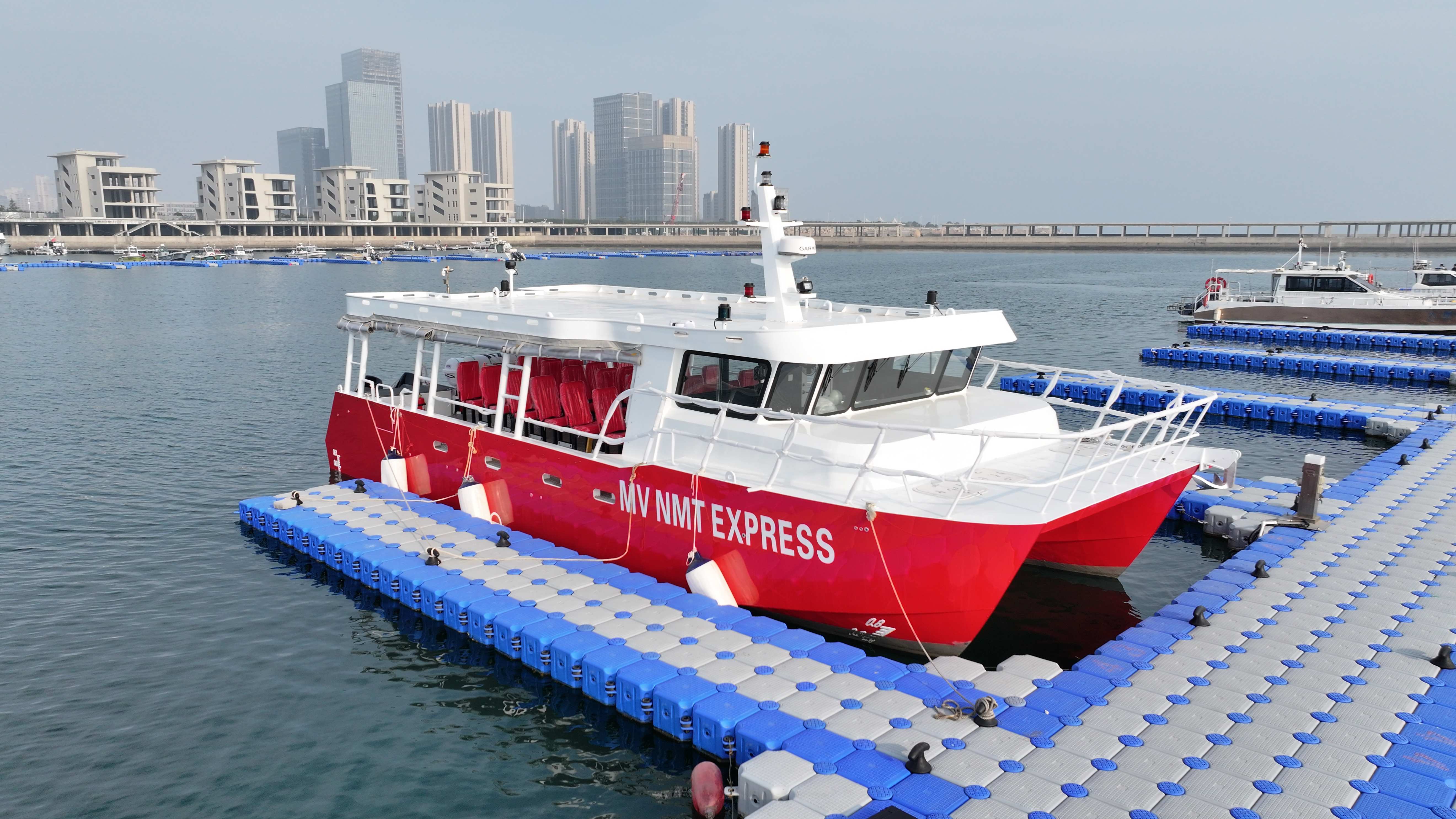
There's something uniquely liberating about gliding across open water on a catamaran ferry, especially when you're headed to places where the journey is just as enchanting as the destination. Islands that seem worlds apart suddenly feel connected, not by crowded flights or tedious drives, but by the gentle rhythm of the sea. From sun-drenched archipelagos to rugged coastlines, some regions were practically designed for this mode of travel, offering a front-row seat to spectacular scenery that you simply can't experience any other way.
Take the Greek Islands, for instance. While the classic blue-and-white villages of Santorini or Mykonos often steal the spotlight, the real magic happens when you use a catamaran to stitch together lesser-known gems like Folegandros or Milos. The calm Aegean waters make the crossing a breeze, and you're often greeted by secluded coves and waterfront tavernas that feel a world away from the tourist crowds. Then there's the Caribbean, where catamaran ferries turn island-hopping into an art form—imagine sipping a rum punch as St. Lucia's Pitons slowly rise from the horizon, or arriving at the Grenadines' Tobago Cays just as the morning light hits the turquoise shallows.
Closer to some parts of the world, Croatia's Dalmatian Coast is a catamaran paradise that still feels refreshingly under-the-radar. The ferry network links historic cities like Split and Dubrovnik to islands like Hvar and Korčula, but the real treat is discovering quieter stops like Vis or Lastovo, where the pace of life is gloriously slow. Down under, the Whitsundays in Australia redefine tropical exploration, with catamarans whisking you straight to the edge of the Great Barrier Reef—no lengthy boat rides required. Each of these destinations shares a common thread: they reveal their truest beauty when approached from the water, making a catamaran ferry not just a ride, but an essential part of the adventure.
What to Expect Onboard: Speed, Comfort, and More
The moment you step inside, a calm, well-designed interior welcomes you. Seats are generously spaced and trimmed with materials that feel solid but never cold. Everything from the steering wheel to the door handles has been aligned to your natural reach—nothing feels like an afterthought.
The real surprise is how hushed the drive becomes at any speed. Engineers spent countless hours tuning out wind and road noise, so you can simply enjoy the ride or hold a quiet conversation. When you do press the accelerator, the response is immediate but never jerky—a seamless push forward that feels more like a glide.
Air suspension and adaptive dampers read the road ahead, softening over broken pavement and firming up through bends. You sit in a bubble of comfort that seems to ignore the chaos outside. And with clever tech like predictive efficiency assist, the car even learns your routes to optimize energy use without you ever noticing.
Choosing the Right Catamaran Ferry for Your Trip
Before you book, consider the vessel's onboard amenities and how they complement your travel style. A quick hop between islands might only require a no-frills seat by the window, while longer crossings call for comfortable lounges, dining options, and perhaps even an observation deck to watch for marine life. Think about what will make your journey pleasant—not just bearable—and match the ferry to that vision.
Operators often run multiple vessels on the same route, and their subtle differences can shape your experience. One might have an open-air upper deck perfect for photographers, while another emphasizes a quiet, air-conditioned cabin suited for napping or working. Check recent passenger reviews for mentions of cleanliness, punctuality, and how smooth the ride feels in typical sea conditions, especially if you're prone to motion sickness.
Timing and flexibility matter just as much as the vessel itself. Some catamarans offer more frequent departures or late-night sailings that can give you extra hours at your destination. If your plans are fluid, look for tickets with easy rescheduling. A slightly pricier option might seem indulgent, but the right choice often turns a simple transfer into a highlight of your trip.
Essential Tips for Smooth Island Hopping by Catamaran
Before you cast off, spend time poring over charts and local pilot guides—what looks like an easy hop on paper can turn tricky when wind and current conspire. I always pencil in a few bail-out anchorages, just in case the swell kicks up or a squall rolls through earlier than forecast.
Pack like a minimalist who secretly loves comfort: quick-dry towels, rash guards, and a soft-sided duffel that squishes into narrow lockers. Stash dry bags inside dry bags if you want your electronics to make it past day two. And never underestimate the value of a good pair of polarized sunglasses—they cut glare so you can read the water and spot coral heads before you’re on top of them.
Respect the rhythm of the islands you visit. Some bays have strict no-anchor zones to protect seagrass; others ask that you pick up a free public mooring. If you snorkel, wear reef-safe sunscreen and give turtles and rays plenty of room. A quiet, low-impact approach means you’ll often have that perfect cove all to yourself long after the day-trippers have roared away.
Real Traveler Experiences: Stories from the Water
The first time I kayaked through the mangroves in Thailand, I wasn’t prepared for how quiet it would get. Away from the beach crowds, the water turned glassy, reflecting the twisty roots above. A local fisherman paddled past, balancing a bucket of squirming crabs, and just smiled like this was all completely normal. That moment—sharing a secret water highway with someone who’s traveled it his whole life—hit deeper than any guided tour ever could.
On a houseboat in Kerala, I woke up to the sound of rain drumming on the tin roof and a kingfisher diving right outside my window. The family who ran the boat cooked breakfast from scratch while telling stories about monsoon floods and the time a snake slithered onto their deck. It wasn’t a polished travel story, but that’s what made it real. When you’re out on the water, the small, unscripted things—spilling chai as the boat rocked, getting lost in a canal maze—become the stuff you remember years later.
Crossing a Norwegian fjord on a tiny passenger ferry, I stood next to an old man who hadn’t missed this ride in forty years. He pointed out a hidden waterfall no tourist map mentioned, then shrugged and said, “It’s just water.” But it wasn’t just water. It was the way the mist clung to the cliff face, and how complete strangers can end up sharing a bench, both staring at the same churning wake, not needing to fill the silence. Those fluid moments, shared on pontoons, ferries, and creaky wooden boats, stick with you because they’re unforced and unrepeatable.
FAQ
Catamarans slice through waves with their twin hulls, offering a much smoother ride and far less rocking than single-hull boats. You get there faster, too, since the design cuts drag and allows higher speeds, so you spend more time exploring islands and less time feeling queasy.
Most cruise between 25 and 35 knots, which means a route that takes a conventional ferry two hours can be covered in about half the time. That speed turns a tedious transfer into a breezy hop, letting you pack more stops into a single day or just arrive fresher.
It’s a total upgrade. Think airplane-style reclining seats, panoramic windows, air conditioning, and often a café bar with fresh snacks. Many have open decks where you can feel the sea spray and snap those horizon shots—it’s part of the adventure, not just a commute.
They shine in archipelagos with moderate distances—places like the Greek Cyclades, the Canary Islands, Croatia’s Dalmatian coast, Thailand’s Andaman Sea, and the Caribbean’s Leeward Islands. Routes under four hours are the sweet spot where the speed and comfort really pay off.
The dual-hull design resists rolling much better than a monohull, so that side-to-side sway that triggers nausea is dramatically reduced. Sitting near the center of the boat, keeping your eyes on the horizon, and having fresh air on the outer deck all help—but the catamaran’s natural stability is your best friend.
Absolutely. Most offshore catamarans have dedicated luggage racks at the rear of the cabin, and carry-ons fit under your seat. Oversized items like dive bags or folded strollers are typically stowed in a secure area at no extra charge, so you can haul all your island gear without a hassle.
Book online in advance during high season—popular routes fill up. Opt for a window seat on the upper deck for the best views, or an aisle seat near the back if you want quick access to the restroom or the open deck. Early morning and sunset crossings are magical, but midday runs often have the calmest seas.
Conclusion
Offshore catamaran ferries have transformed the way travelers experience island hopping, delivering a blend of speed, stability, and onboard comfort that traditional vessels struggle to match. These twin‑hulled boats glide smoothly over choppy waters, drastically reducing journey times while offering panoramic views from spacious decks. Inside, you’ll find air‑conditioned lounges, charging ports, and even snack bars, making the trip part of the adventure. Destinations like the Greek Cyclades, Thailand’s Andaman coast, and the Caribbean’s lesser‑known cays are best explored by catamaran, giving you access to secluded beaches and vibrant coastal towns without sacrificing time or comfort. Selecting the right ferry depends on route length and your personal preferences: some prioritize speed, others focus on luxury, and many strike a perfect balance between the two.
To make the most of your journey, book tickets online during peak seasons, arrive early to secure a window seat, and pack light—cabin space is cozy but efficient. Real stories from the water highlight how catamarans turn simple transfers into memorable moments, whether it’s spotting dolphins off the bow or watching a sunset paint the sky during a sunset cruise. The gentle motion also minimizes seasickness, a game‑changer for island‑hoppers who once dreaded ferry rides. Beyond the practical perks, these ferries encourage spontaneous exploration, allowing you to weave together itineraries that larger cruise ships can’t match. With smart planning, a catamaran ferry unlocks a faster, more comfortable way to island‑hop, leaving you refreshed and ready to explore each new destination the moment you step ashore.
Contact Us
Contact Person: Benny Hu
Email: [email protected]
Tel/WhatsApp: +8618354225697
Website: https://www.allheartmarine.com/