

Executive Office Chair Sourcing Strategies for Quality and Cost Efficiency
2026-10-22
Most executive office chair sourcing guides start with fabric swatches and price sheets. That’s backwards. Quality and cost efficiency are decided long before you compare quotes—in the frame materials, mesh density, and the factory’s tolerance for returns. If you’re tired of chairs that sag after a year or vendors who promise premium at mid-market prices, this post will show you a better way. We’ll walk through the exact evaluation criteria used by OFCJNS when selecting ergonomic seating for demanding office environments. No fluff, just the sourcing shortcuts that keep your budget intact and your team comfortable.
Read the Weld, Not Just the Warranty
A warranty is a promise; a weld is a fact. When you pick up a bracket, a trailer hitch, or a gate frame, the paper guarantee might say ten years, but the weld bead tells you what actually happened in the shop. Look for a smooth, consistent ripple pattern with no sharp notches or random lumps. If the bead looks rushed, with heavy spatter or an uneven crown, that coverage won't stop a crack from spreading on a cold morning.
Start with the toes of the weld — the edges where filler metal meets the base steel. A clean, tight transition means the welder controlled the heat and angle properly. Discoloration running wide of the joint, undercut grooves, or pinhead-sized porosity are signs of too much speed, dirty material, or poor gas coverage. Those flaws often sit just deep enough to escape a quick coat of paint but make themselves known under load.
Warranties rarely cover the hidden costs anyway. Free replacement parts don't pay for the hours of downtime, the freight delay, or the risk of a failed joint on a loaded trailer. Reading the weld before you buy or install gives you something a legal document can't — immediate evidence of how the metal was joined, not just how confident the marketing team felt.
Why Cheaper Mesh Often Costs More Later
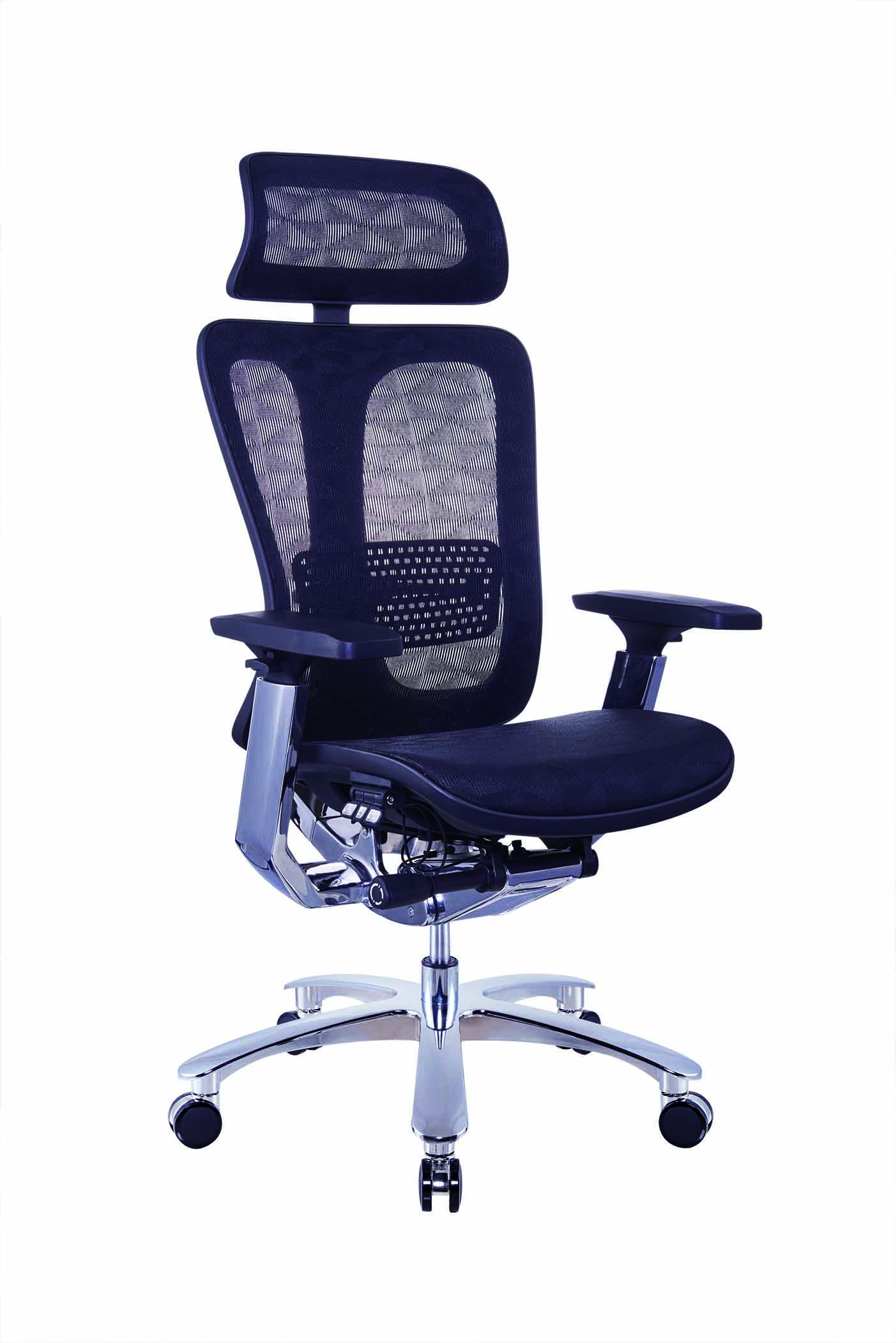
The upfront price tag on a bargain mesh system looks tempting, but that savings usually evaporates once it hits the work floor. Cheap mesh often uses thinner wire or weaker welds, which means tears and sagging show up within weeks. Every replacement panel and hour of downtime quietly adds up, and before long you’ve paid more than a mid-range option would have cost on day one.
There's also the labor side that rarely makes it into the initial budget. Lower-grade mesh is harder to cut cleanly and doesn't hold tension as well, so installers spend extra time fighting the material. If it’s used in a safety or filtering role, early failures can lead to rework, rejected batches, or even equipment damage—expenses that never appear on the original invoice but hit the ledger all the same.
Over a full production cycle, repeated small failures create a pattern of waste. You're not just buying mesh; you're buying the interruptions, the emergency orders, and the overtime to keep things moving. Spending a bit more upfront on reputable mesh typically stops that cycle before it starts.
Split Orders to Test Before You Commit
Placing a large order with a new supplier feels efficient, but it often hides problems until it's too late. By splitting your initial purchase into smaller chunks, you get a real-world look at how the supplier handles production, packaging, and shipping without risking your entire budget. That first small batch acts like a trial run, exposing weak spots before they become expensive mistakes.
Use that initial split to test more than just product quality. Pay attention to how long the supplier actually takes to dispatch, whether the items arrive as described, and how they respond when you ask questions or request changes. If something feels off, you still have room to adjust your approach or find another partner before committing to a larger volume. Each small order becomes a data point you can use to negotiate better terms later.
Once you've confirmed the process works smoothly, scale up gradually rather than jumping to a massive bulk buy. This staged approach keeps your inventory lean and your cash flow flexible, which matters more than squeezing out a slightly lower unit price on a risky full commitment. The confidence you gain from tested orders is worth far more than the small savings lost by not ordering everything at once.
Use Your Leverage on Late Deliveries, Not Just Price
Most procurement teams sharpen their negotiation blades on unit cost alone, but that leaves a huge chunk of value untouched. When a supplier consistently misses delivery windows, the ripple effect hits your production schedule, inventory carrying costs, and customer promises. Instead of accepting late shipments as a routine annoyance or trying to squeeze another few cents off the invoice, shift the conversation to service level agreements with real teeth. Ask your supplier what they would do differently if every late delivery triggered a meaningful rebate or a shift in order volume. You'd be surprised how quickly their internal logistics get more robust when their own revenue is tied to on-time performance.
Leverage isn't just about walking away from the table; it's about redirecting the pain to where it changes behavior. If you're a significant share of a supplier's business, use that weight to demand quarterly delivery scorecards and root-cause reviews for every missed date. Don't settle for vague promises of improvement. Instead, propose a tiered consequence model: small delays get a documented warning, repeated delays lead to reduced forecast visibility, and chronic failures put the supplier on a probation list that limits new sourcing opportunities. The goal isn't punishment for its own sake, but building a system where late deliveries become strategically expensive for them, not just operationally annoying for you.
Price negotiations often hit diminishing returns fast, but delivery performance is a lever you can pull without damaging margins or long-term relationships. By framing late deliveries as a hidden cost that undermines both parties, you create space for creative fixes: maybe the supplier needs better demand signals from you, or maybe they need to hold safety stock at their own facility. Either way, your leverage lies in making on-time delivery a non-negotiable part of the commercial agreement, not an afterthought buried in the fine print. That's how you turn a boring logistics metric into a competitive advantage for your own supply chain.
Standardize Components to Cut Assembly Costs
Standardizing parts across product lines removes the quiet chaos of mismatched fasteners, bracket sizes, and wire lengths that accumulates over years. When the same mounting plate or connector shows up in three different product families, procurement buys in larger volumes, inventory shrinks, and the person on the line stops hunting for the one screw that only fits the older model.
Assembly time drops because workers no longer flip through drawings to confirm which variant they're building. A shared component library means torque settings, insertion angles, and handling steps stay consistent, cutting the small pauses that add up across a shift. That consistency also makes training faster and rework less likely, since a standardized joint behaves the same way every time.
The savings aren't abstract. One manufacturer cut bracket variants from fourteen to three and saw line-side bin counts fall by half, while changeover time between models dropped nearly forty percent. Those hours go straight back into throughput without buying new equipment or adding headcount.
Audit Factories Without Announcing Your Visit
Unannounced audits are the only way to see what actually happens when no one has time to stage a performance. Many factories can present polished documents and rehearsed answers if they get 48 hours' notice. Showing up without warning gives you a much truer picture of working conditions, safety protocols, and daily production realities. This approach doesn't just catch violations; it also reveals the everyday friction that scheduled visits smooth over.
Of course, dropping in unannounced has its own complications. You might arrive during a shift change, find the main contact absent, or need to wait while temporary access badges are issued. But these minor disruptions are exactly the point. Real operations are rarely seamless, and observing how staff handle an unexpected visitor tells you more than any pre-arranged tour. It is also wise to pair surprise visits with regular scheduled audits, because some issues only emerge through repeated observation over time.
To make unannounced audits work, keep your arrival logistics quiet, avoid sharing itineraries with intermediaries, and allow your local team enough flexibility to change routes at short notice. This keeps the visit genuine and reduces the chance that word travels ahead of you.
FAQ
Executive chairs typically demand higher-end finishes like leather or premium mesh, plus a stronger focus on ergonomic adjustability and visual presence. Sourcing teams should prioritize suppliers who can offer reinforced frames, denser foam, and custom upholstery options without inflating unit costs.
Consider top-grain leather only on high-contact surfaces like the seat and armrests, while using matched synthetic leather on side panels and back. This preserves the look and feel executives expect while cutting material costs notably. Ask suppliers for cut diagrams to ensure leather hides are used efficiently.
Look for ANSI/BIFMA X5.1 compliance as a baseline for durability and safety. For markets with stricter environmental rules, ask for GREENGUARD or similar indoor air quality certification. Some buyers also request ISO 9001 for the factory to ensure consistent production quality.
Request a pre-production sample with the exact foam density, leather grade, and mechanism specified. Then schedule an audit focusing on their foam molding, frame assembly, and upholstery stitching lines. Ask for a pilot run of 20–30 units to check variation before full production.
Use modular platform frames where only the backrest and armrest designs change between models. Negotiate longer-term blanket orders for foam and mechanisms to lock in lower prices. Reducing packaging volume through knock-down design also cuts freight cost per unit.
Because freight, tariffs, and potential rework from quality issues can erase a low unit price advantage. Calculate cost per usable chair year, factoring in warranty claims, replacement parts, and expected lifespan. A chair with a 10-year warranty and modular parts may cost more upfront but less over time.
For high-end lines, a single qualified partner with strong engineering support often reduces coordination overhead and ensures consistent fit and finish. Multi-sourcing works better for differentiated price tiers, but avoid splitting the same core design across factories because tolerances and leather dyes will drift.
Lock the mechanism and seat shell specs early using existing proven platforms, then focus iterations on upholstery, arm caps, and base finish. Use 3D renderings for internal approvals before committing to physical samples. Parallel testing of foam compression and mechanism cycles while waiting for cosmetic samples also compresses lead time.
Conclusion
Smart sourcing for executive office chairs starts with looking past the spec sheet and warranty fine print. A quick visual check of the weld points tells you more about structural integrity than any certificate—clean, consistent beads usually mean the factory controls heat and filler properly, while sloppy joints will fail long before the warranty expires. The same logic applies to mesh: budget options may look identical in photos, but low-density weave or weak edge binding loses tension within months, forcing costly returns or rework. Rather than committing to a full container on the first order, split the purchase across two production runs or even two factories. This lets you compare real units side by side and catch inconsistencies before they scale into a warehouse full of defects.
Cost efficiency doesn't stop at negotiating the unit price. Standardizing armrests, bases, and gas lifts across multiple chair models cuts assembly time and reduces the number of SKUs you need to stock, which lowers both per-unit labor and inventory carrying costs. You should also keep your leverage for late deliveries instead of burning it all on a lower quote—if a factory misses a ship date, use that failure to demand faster turnaround on the next order or a discount on air freight, not just a token credit. Finally, don't announce factory audits in advance. Show up unannounced, walk the floor during a real shift, and you'll see the actual production conditions, material handling, and quality control that polished PowerPoint decks never reveal. That unfiltered view is what separates suppliers who can maintain both quality and cost over time from those who only talk about it.
Contact Us
Contact Person: Diff Wang
Email: [email protected]
Tel/WhatsApp: +8613650281199
Website: https://www.ofcmeshchair.com/