
Custom Children School Socks: A Complete Guide to Comfort, Durability, and Style
2026-11-02
Every parent knows the struggle: socks that sag by lunchtime, holes after a month, or colors that fade after the first wash. But what if the right school socks could actually make mornings easier? In this guide, we're breaking down everything you need to know about custom children's school socks—from picking fabrics that won't itch to reinforcing heels for playground-level durability. And when it comes to trusted quality, KINDWAY has become a go-to for schools that refuse to compromise on comfort or style. Ready to rethink the humble school sock? Let's dive in.
Why Most School Socks Fall Apart Before November
The trouble usually starts at the heel. After six weeks of daily wear, the knit gives way to a thin, almost translucent patch that no amount of darning can rescue. This isn't bad luck—it's the result of a few predictable forces. Cheap cotton blends lose their shape after a dozen washes, and school shoes with rigid backs rub the same spot hundreds of times a day. Add in the fact that most kids don't switch pairs until the first smell test fails, and you have a recipe for holes before the first frost.
There's also the invisible problem of growth. A sock that fit in September is suddenly straining by mid-October, which pulls the fibers tighter and speeds up wear around the toe seam. Then there are playground surfaces—tarmac, rubber crumb, wooden gym floors—all of which act like sandpaper on the soles. What looks like poor quality is often just physics winning. The rare sock that survives past November usually has a higher nylon content, a reinforced heel and toe, or simply belongs to a child who prefers sitting quietly at recess.
Fabric Blends That Banish Blisters and Odor
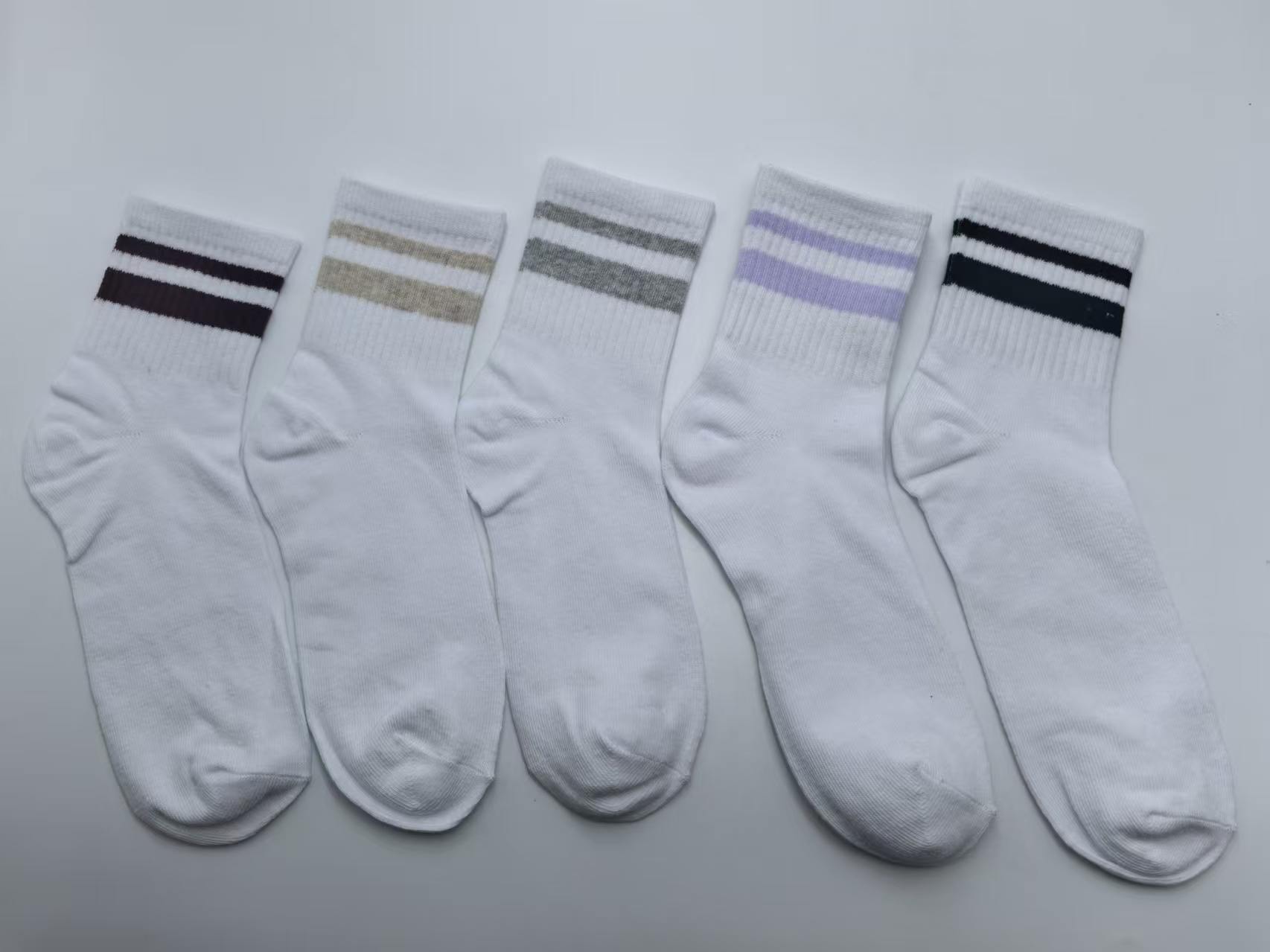
If you've ever peeled off a pair of socks after a long hike and winced at both the raw spot on your heel and the smell wafting up, you know the struggle is real. The trick isn't just buying thicker socks or dousing your feet in powder—it's about what the fabric itself is made of. Blends that pair moisture-wicking synthetics like nylon or polyester with a touch of spandex create a snug, slide-free fit that stops friction before it turns into a blister. At the same time, those fibers pull sweat away from your skin fast, leaving nothing for odor-causing bacteria to feast on.
Merino wool often gets all the credit, and for good reason—it naturally resists odor and regulates temperature. But when you blend it with something like nylon and a bit of elastane, you get the best of both worlds: the soft, breathable feel of wool with the durability and stretch that keep the sock from bunching up mid-stride. That bunching is exactly what leads to hot spots and, eventually, blisters. So the real hero here isn't one material, it's the combination. Look for labels that list a synthetic core with just enough natural fiber to keep things fresh, and you'll notice the difference by the end of your first long walk.
Fit matters as much as fiber. A blend with spandex or Lycra will hug your arch and heel, which means less movement inside your shoe and fewer chances for rubbing. And because these fabrics dry quickly, they don't stay damp against your skin—a major factor in both blister formation and that sour smell that lingers even after washing. Skip the pure cotton pairs; they hold moisture and lose their shape. Instead, reach for a blend that feels smooth and slightly compressive, and your feet will thank you with every step.
The Hidden Spots Where Socks Need Extra Strength
Most people assume sock wear happens evenly across the foot, but the reality is far more uneven. The fabric at the toe seam takes a beating from toenails rubbing against the inside of shoes, while the heel counter grinds away at the back of the sock with every step. Then there's the ball of the foot, where the constant push-off motion creates friction that can thin the material long before the rest of the sock shows any sign of fatigue.
Overlooked pressure zones include the arch band, which stretches and contracts with each stride, and the ankle cuff, where elastic degrades from repeated pulling. Even the top of the foot can become a weak point if the sock lacks a secure instep panel, leading to bunching that accelerates wear. Manufacturers who reinforce only the obvious areas often leave these hidden spots vulnerable, resulting in socks that fail prematurely despite looking sturdy out of the package.
The smartest designs address these weak points with targeted reinforcement, such as terry loops under the forefoot or a denser knit along the Achilles. Paying attention to how your own socks show early signs of thinning can reveal a lot about your gait and footwear choices. Once you know where the stress concentrates, it becomes easier to pick socks that actually hold up instead of just looking tough on the shelf.
Design Details Kids Actually Notice (and Love)
Kids tune in to the unexpected, so a tiny surprise becomes a big deal. A drawer that clicks shut with a satisfying snap, a light switch placed at their eye level, or a secret nook under the stairs instantly earns their affection. These aren't expensive gestures; they're moments of acknowledgment that say, “This place was made with you in mind.”
Color is another detail they catch before adults do. Bright, cheerful accents in unexpected spots—like the inside of a cabinet or the underside of a bunk bed—turn ordinary spaces into discoveries. When a room includes a few bold shapes or playful patterns at kid height, children feel invited to explore rather than just occupy the space.
Finally, touch matters more than anything. Soft rugs underfoot, chunky handles sized for small hands, and walls with a hint of texture give kids a sensory reason to connect. The most loved design details are the ones they can run their fingers over, grip with confidence, and remember long after they've outgrown the space.
Measuring Feet Without a Fuss: A Parent's Shortcut
Grab a piece of printer paper, tape it to a hard floor against a wall, and have your child stand on it with their heel touching the baseboard. Trace the outline of the longer foot with a pencil held straight up—don't angle it under the toes. Measure the distance from heel to the tip of the longest toe, then add about a thumb's width for growing room. That's your shoe size in centimeters or inches, and it takes less than a minute.
If your little one squirms, try measuring right after a bath when they're relaxed, or let them watch a short cartoon while you slip the paper under their foot. The real shortcut? Do it while they're standing—not sitting—because feet spread when weight is on them. Forget the fancy foot-measuring gadgets; a wall, a pencil, and a ruler beat them all for accuracy and calm.
Wash and Dry Routines That Preserve Shape and Stretch
Most damage to stretch fabrics happens before the dryer even starts. Hot water breaks down elastane and encourages fibers to relax permanently, so a cold or cool cycle with a mild detergent is the baseline. Turn garments inside out to reduce surface friction, and skip the fabric softener altogether—it coats elastic threads and traps odor. If your machine has a delicate or hand-wash setting, use it; the slower agitation keeps waistbands and cuffs from twisting out of shape.
Drying is where the real preservation work happens. High heat is the quickest way to kill stretch, so air drying flat on a towel or rack is far safer than the tumble dryer. When you must use a machine, choose the lowest possible heat or an air-only cycle, and remove items while they're still slightly damp. Reshape collars, hems, and seams with your hands before laying garments out, and never hang by the shoulders—wet fabric is heavy and will pull the neckline out of line.
A few small habits make the routine stick. Zip up zippers and clasp hooks before washing so they don't snag neighboring threads. Give stretched-out cuffs or ribbed trims a gentle stretch-and-smooth while damp; this resets the memory of the fibers. Rotate between wears instead of washing after every single use, since even careful laundering gradually wears down elasticity. Over time, these choices keep the original silhouette intact without any complicated products.
FAQ
A cotton-rich blend with reinforced nylon in the heel and toe tends to hold up best. Merino wool is also a solid pick for colder months because it regulates temperature and resists odor, though it can be pricier.
Ask for a size chart that maps shoe sizes to sock lengths, not just age brackets. Many suppliers include a foot length measurement in centimeters—use that rather than guessing by grade level.
Look for cushioned soles, arch support bands, and seamless toe closures. You can also add a contrasting heel or toe color, which makes it easier for younger kids to tell left from right and spot wear early.
Choose woven or knitted logos over printed ones. Embroidery holds up, but keep it small and flat so it doesn’t rub against shoes. Ask for colorfast yarns tested to at least 30 wash cycles.
Yes—stick to the approved base color and add a subtle stripe, school initials on the cuff, or a fun pattern on the sole. Many schools allow small details as long as the main color and overall look stay within policy.
Plan on five to seven pairs if laundry happens weekly. That gives a fresh pair each day plus a spare for lost or muddy ones. Ordering in bulk with a group usually cuts the per-pair cost noticeably.
Cheap socks often use thin, loosely spun cotton and lose shape after a few washes. Higher-end versions keep their elasticity, have reinforced stress zones, and offer better moisture control, so they don’t bunch up inside shoes.
Set up a simple group order form with name, shoe size, and quantity. Let each family choose a size from a visual chart, and have the supplier pack individual bundles by child to avoid sorting chaos.
Conclusion
School socks rarely survive the first term. The heels thin out, toes poke through, and elastic gives way because standard pairs aren't built for playground sprints and hallway scuffs. Custom options change that by targeting the exact failure points: reinforced heels and toes, a deeper heel pocket, and a ribbed arch band that keeps the sock from sliding into shoes. When you pick a fabric blend with merino wool, nylon, and a touch of spandex, you cut down on blisters from friction and stop odor from taking over by lunchtime. Kids do notice the difference, too—they like a bit of color on the toe seam, a fun pattern hidden inside the cuff, or a smooth toe closure that doesn't rub. Getting the size right matters just as much; trace the foot on paper, measure from heel to longest toe, and add half a centimeter for growth instead of guessing by age. A well-fitted sock won't bunch under the arch or squeeze the ankle.
Durability also lives in the washing routine. Turn socks inside out before tossing them in the machine, skip fabric softener, and let them air dry when possible. High heat breaks down elastic fast, so a cool or warm cycle keeps the stretch alive longer. Custom school socks don't need to be boring or fragile. By combining reinforced stress zones, breathable yarns, and small design touches like a colored heel stripe or a name label inside the ribbing, you get a pair that handles daily wear without feeling like cardboard. Replace the old 'buy a pack and hope' habit with a measured, deliberate choice—your kid's feet stay dry, comfortable, and blister-free from the first bell to final pickup.
Contact Us
Contact Person: Alfred Lee
Email: [email protected]
Tel/WhatsApp: +86 13806701496
Website: https://www.hainingsocks.com/