

China Mayonnaise Is the Unexpected Star Your Meals Have Been Missing
2026-10-26
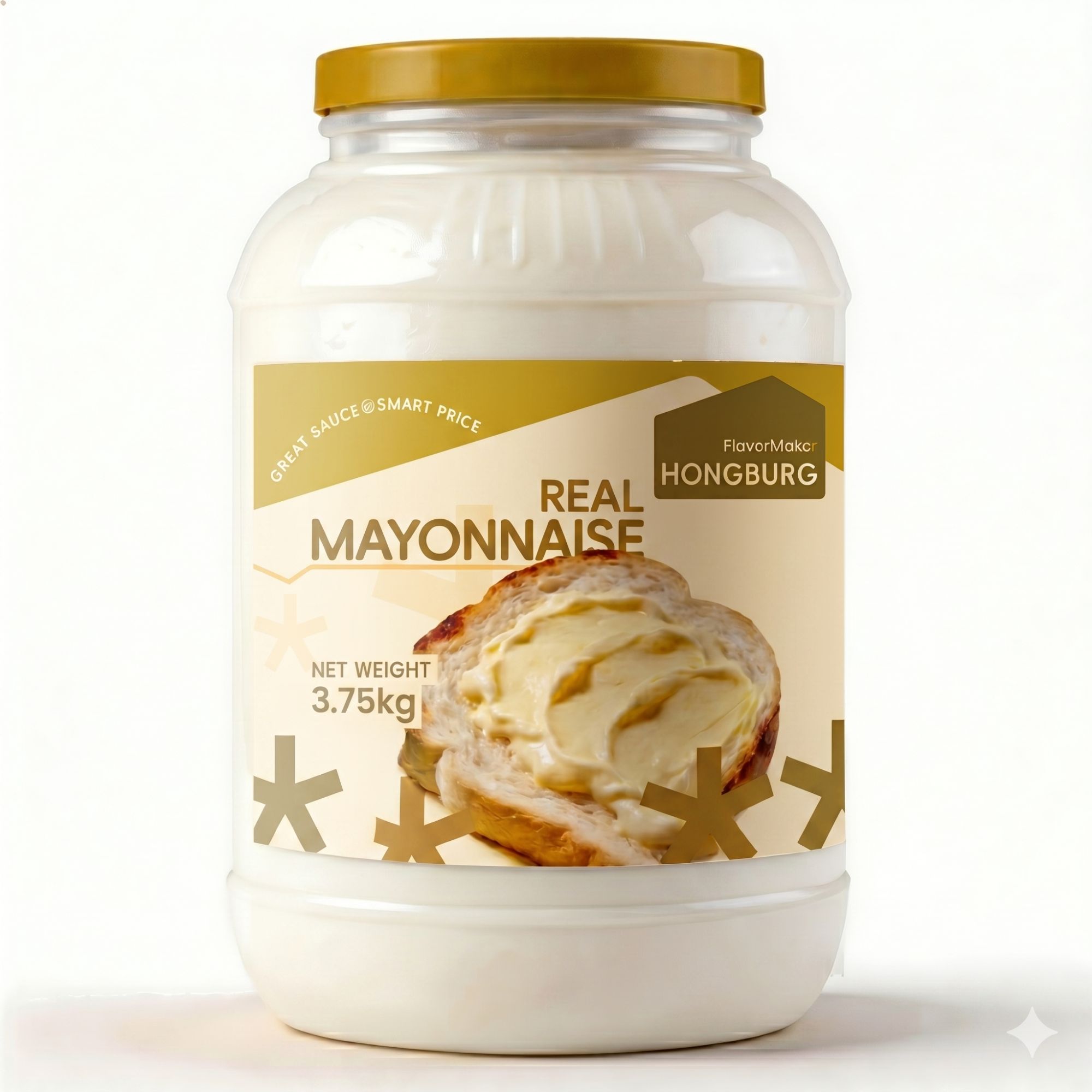
Mayonnaise isn't the first thing that comes to mind when you think of Chinese cuisine—but one taste of this creamy, savory-sweet condiment and you'll wonder where it's been all your life. Unlike the bland squeeze bottles in the back of your fridge, China's version brings a rich umami depth that turns noodles, sandwiches, and even plain rice into something unforgettable. And when it comes to capturing that bold, authentic flavor at home, HONGBURG FLAVORMAKER has bottled it perfectly. Ready to meet the unexpected star your meals have been missing?
What Makes Chinese Mayonnaise Different From the Classic Condiment
The first thing you'll notice is the sweetness. Chinese mayonnaise leans noticeably sweeter than its Western counterpart, often incorporating a touch of sugar, condensed milk, or even honey. This isn't an accident—it's designed to complement the salty, umami-heavy profiles of many Chinese salads and sandwiches, like the popular pork floss buns or fruit salads found in bakeries across China and Taiwan. The result is a condiment that feels more like a creamy dessert topping than a tangy sandwich spread.
Texture also sets it apart. While Western mayo is famously thick and stable, Chinese versions tend to be softer, lighter, and sometimes almost whipped. Many brands use a blend of oils and add a higher proportion of egg yolk or even whole egg, creating a silky, spoonable consistency that's more akin to a loose custard. This makes it easier to drizzle over corn, pizza, or fried chicken—common uses in Chinese fast food chains.
Finally, the acid profile is gentler. Instead of sharp distilled vinegar or lemon juice dominating the flavor, Chinese mayonnaise often uses rice vinegar or mild fruit vinegars, resulting in a subdued tang. Some recipes even omit acid entirely and rely on the sweetness and fat for balance. That's why if you grew up with Kewpie or Hellmann's, Chinese mayo might taste almost like a dessert sauce—creamy, sweet, and surprisingly mild.
The Umami-Rich Pantry Staples That Transform Ordinary Mayo
A spoonful of white miso folded into mayonnaise doesn't just add salt; it brings a quiet, almost sweet depth that makes a turkey sandwich feel intentional. The fermented soybeans mellow the mayo's sharpness, leaving behind a savory roundness that clings to roasted vegetables, grilled corn, or even a plain hard-boiled egg.
For a more aggressive, brine-forward kick, a few drops of fish sauce or a dab of anchovy paste disappear into the emulsion, leaving no fishiness behind—only a persistent umami hum that elevates potato salad or a BLT. If you want heat and funk, gochujang or a spoonful of tomato paste concentrate the savoriness while adding a brick-red tint that makes the dip look as bold as it tastes.
Even a dusting of porcini or shiitake mushroom powder can transform a basic aioli into something that tastes like it simmered for hours. Stir these in gradually, taste as you go, and let the mayo sit for ten minutes—the flavors need a moment to stop shouting and start blending.
Whip Up This Spicy, Creamy Sauce in Under Five Minutes
You don't need a long simmer or a pile of specialty ingredients to pull this off. Grab a small saucepan, melt a knob of butter over medium heat, and toss in a minced garlic clove plus a pinch of red pepper flakes. Let those sizzle for about 30 seconds—just until the garlic smells amazing but hasn't browned. That step alone sets the stage for a sauce with real depth, not just heat.
Pour in half a cup of heavy cream and a spoonful of your favorite hot sauce or a little cayenne if you want more kick. Stir it constantly for two to three minutes as it bubbles gently around the edges. The cream will thicken on its own; resist the urge to crank the heat. Once it coats the back of a spoon, take it off the burner and whisk in a handful of grated Parmesan. The cheese melts into the cream and tames the spice just enough to keep things balanced.
From there, it's ready to toss with hot pasta, spoon over roasted vegetables, or drizzle onto grilled chicken. If it sits for a minute and thickens too much, loosen it with a splash of pasta water or milk. Total time from fridge to plate? Four minutes flat—and you'll probably start keeping these staples on hand just for those nights when plain butter or store-bought sauce won't cut it.
Unexpected Pairings From Steamed Buns to Grilled Vegetables
Steamed buns are often pigeonholed as vessels for slow-braised pork or sweet red bean paste, yet their pillowy neutrality invites far stranger companions. Try splitting one open and tucking in a smear of black garlic mayo, a few thin slices of cold smoked eel, and a handful of pickled mustard greens. The bun's gentle chew gives way to a tidal wave of umami, brine, and sharp acidity, each bite collapsing in on itself like a soft, savory secret.
Grilled vegetables, too, rarely escape their usual marinade of olive oil, salt, and lemon. But charred wedges of cabbage take on an almost meaty sweetness when brushed with miso browned butter and finished with crushed hazelnuts and a drizzle of maple syrup cut with cider vinegar. The burnt edges hum against the nutty, caramelized glaze, while the vinegar snaps everything back into focus.
What links these odd couples is a kind of culinary misdirection: a familiar base stripped of its expected context and rebuilt around one bold, unfamiliar anchor. The result isn't fusion for its own sake, but a quiet reminder that the best pairings often hide in plain sight, waiting for someone willing to ignore the menu.
Elevate Store-Bought Mayo With One Simple Addition
A spoonful of white miso is the quickest way to make a jar of supermarket mayo taste like something you'd whisk up from scratch. The fermented soybean paste adds a quiet savory depth that rounds out the sharp tang of commercial mayonnaise, making it richer without turning it into a completely different sauce. Start with a ratio of about one tablespoon of miso to half a cup of mayo, mashing them together with a fork until no streaks remain.
The result is creamy, slightly nutty, and far more interesting on a turkey sandwich or as a dip for roasted potatoes. If you want a little heat, a pinch of cayenne or a few drops of toasted sesame oil push it in a completely new direction. Keep the mixture in a small jar in the fridge for up to a week, and you'll find yourself reaching for it instead of plain mayo every time.
Turn Leftover Chili Crisp Into Your New Favorite Spread
That last inch of chili crisp in the jar is mostly toasted shallots, garlic, and fermented soybean bits, not just oil. Scrape every bit of it into a small bowl and add an equal amount of room-temperature butter or full-fat cream cheese. Mash with a fork until the dark red oil streaks through and the crunchy bits are evenly distributed. A pinch of brown sugar or a few drops of rice vinegar can temper the salt and push the spread toward savory-sweet territory, but taste before you add anything.
Use it cold on sandwiches or toast, or let it sit at the table while you finish cooking so it softens enough to spoon over roasted potatoes, grilled corn, or a simple bowl of rice. The leftover crunchy sediment gives more texture than the fresh jar, and because it's already absorbed oil, it won't separate as quickly. If you want it looser for dipping, thin with a spoonful of the oil from the top of the jar or a splash of warm water.
FAQ
It’s a punchy, umami-heavy take on classic mayo. Think regular creamy mayo cut with soy sauce, rice vinegar, a touch of sesame oil, and often a little sugar or chili. The result is looser, glossier, and far more savory than the plain egg-and-oil version—closer to a cross between Kewpie and a dumpling dipping sauce.
Because it solves the blandness problem in one spoonful. Home cooks are realizing that a single dollop can turn roasted vegetables, cold noodles, or even plain rice into something that tastes deliberate. It’s the same reason chili crisp took off, but with a creamy, cooling contrast.
First you get the familiar richness of mayo, then a quick hit of salt and acid, followed by toasted sesame and a warm, garlicky finish. It’s not spicy by default, but you’ll notice a gentle tingle if the recipe includes Sichuan pepper or chili flakes.
Yes, and you probably already have everything. Whisk together 1/2 cup of regular mayo, 1 tablespoon of soy sauce, 1 teaspoon of rice vinegar, 1/2 teaspoon of sesame oil, a pinch of sugar, and a grated garlic clove. Let it sit for ten minutes so the flavors settle, then taste and adjust.
Toss it with cold soba or ramen for an instant creamy sauce. Smear it on roasted sweet potatoes or corn. Use it as a dip for raw cucumber or cherry tomatoes. Drizzle over a breakfast hash or fold into tuna salad instead of plain mayo. It even works as a marinade for chicken thighs before grilling.
It’s more of a shorthand than a traditional product. China doesn’t have a long history of egg-based mayonnaise, but the flavor profile—soy, vinegar, sesame—draws from common pantry seasonings. So think of it as a modern fusion condiment inspired by Chinese flavors rather than something you’d find in an old Beijing market.
If you use store-bought mayo as the base, it’ll stay good for about a week in an airtight container. The added soy sauce and vinegar act as mild preservatives, but the fresh garlic and lack of industrial stabilizers mean it won’t last as long as plain mayo. Give it a stir before each use.
Go simple: take a warm flour tortilla or a slice of toast, spread a thin layer, then top with a fried egg and some scallions. That combo hits the creamy, salty, and crispy notes in one bite and will tell you immediately if this condiment deserves a permanent spot in your fridge.
Conclusion
Forget the bland, eggy spread you're used to. Chinese mayonnaise leans on a handful of condiments already sitting in your pantry—think soy sauce, black vinegar, sesame oil, and a spoonful of fermented bean paste—to deliver a deeper, savory punch. Instead of just fat and acid, you get layers of umami that taste deliberate rather than industrial. Whisking it together takes less than five minutes: start with a base of good store-bought mayo, add a splash of light soy, a few drops of toasted sesame oil, and a pinch of sugar. If you have chili crisp, even better. The result is a creamy, spicy sauce that's looser and more complex than the jar you started with.
This sauce shines in places you'd never put classic mayo. Slather it on steamed buns, dip grilled vegetables into it, or thin it with a little rice vinegar and drizzle over cold noodles. One of the smartest moves is turning leftover chili crisp into a spread: fold a tablespoon or two into your mayo, and suddenly you have a condiment that does double duty as a dip for dumplings and a sandwich booster. Because the flavors are bold but balanced, a single batch can carry an entire week of lunches. You're not just upgrading a bottle of Hellmann's—you're building a small jar of something that tastes custom-made, with almost no extra effort.
Contact Us
Contact Person: Peter Song
Email: [email protected]
Tel/WhatsApp: +86 18920189778
Website: https://www.hongburg.com