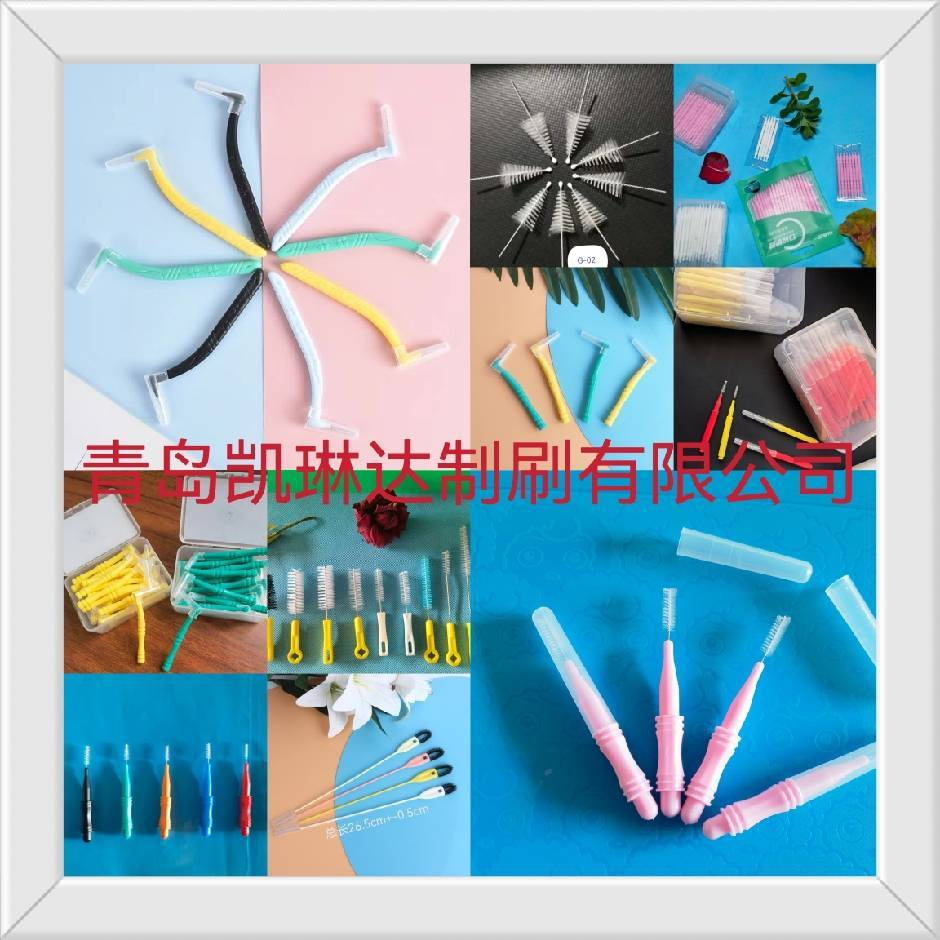

Best Hard Endoscope Cleaning Brush Supplier for Safe and Effective Endoscope Reprocessing
2026-10-28
Every endoscope reprocessing cycle hinges on one small tool: the cleaning brush. If it fails, the entire protocol fails—and so does patient safety. KLDZS understands this better than most. Their hard endoscope cleaning brushes are engineered for thorough debris removal without compromising delicate instrument channels. Here's why they've become the go-to supplier for teams that refuse to settle for less.
What a seasoned reprocessing tech looks for in a brush supplier
When I've been in reprocessing for over a decade, I don't waste time on brushes that shed after three cycles. I look at bristle anchoring first. Pull test? I'll do my own. If the tufts come out with a light tug, that's a no. Also check whether the shaft has any memory from packaging—kinked brushes miss corners in channels. A supplier who ships them coiled tight in a tiny bag? Not worth the call.
Material compatibility matters more than most sales reps realize. I've had nylon bristles soften in high-level disinfectants, and stainless shafts pit after repeated autoclave runs. So I ask for soak test data, not just a spec sheet. If the supplier can't tell me what happens to the brush after 200 cycles in OPA or glutaraldehyde, I'm gone. I also want consistent lot-to-lot hardness because a brush that's slightly stiffer one month can scratch delicate lumens.
Beyond the brush itself, I look for a supplier that doesn't make me chase them. I need predictable lead times, lot traceability down to the bristle batch, and an actual person on the phone when a box arrives missing a size. Maybe I'm picky, but a brush that fails in a scope channel means a patient case gets delayed. That's the real cost.
Bristle geometry and channel fit: the quiet drivers of endoscope cleanliness
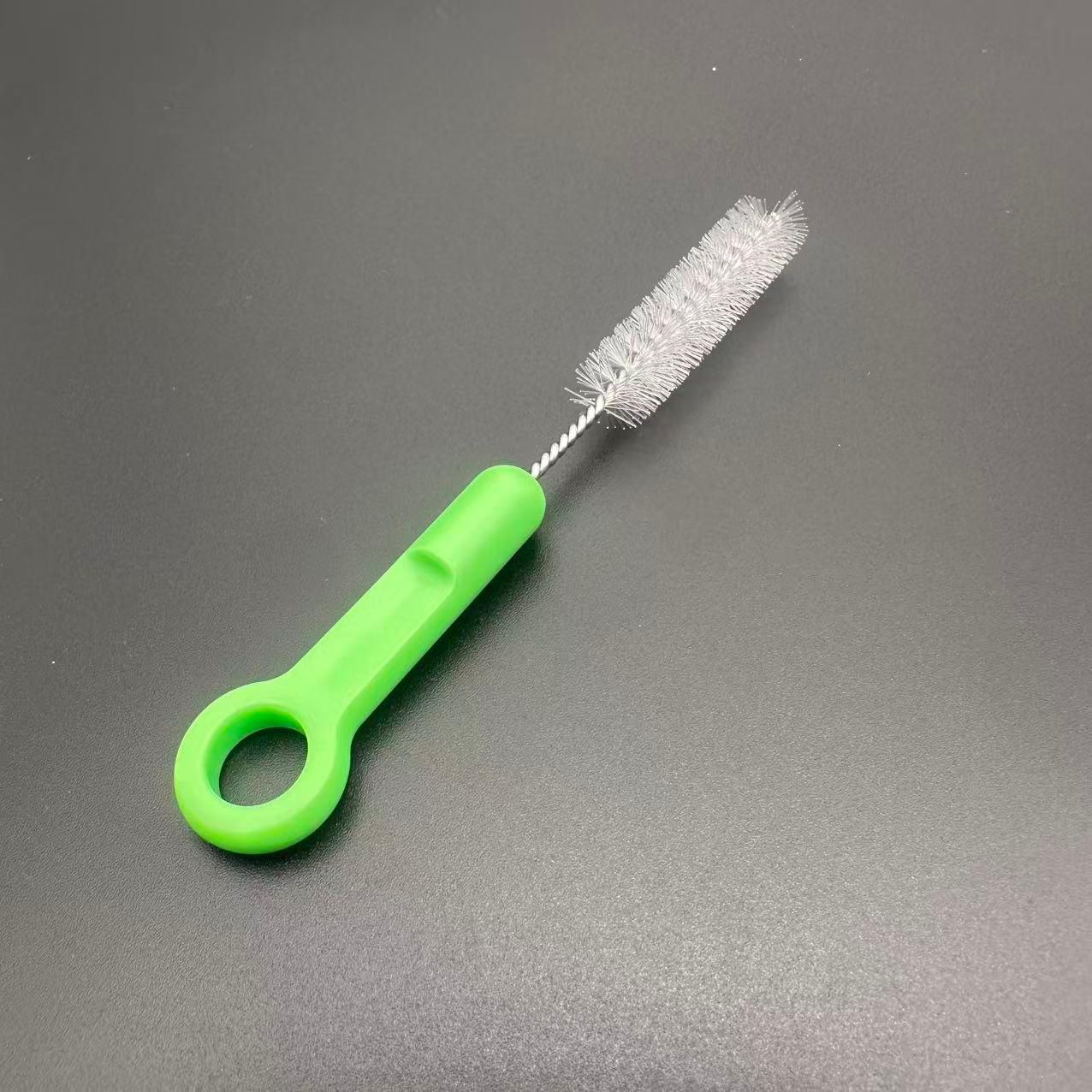
Endoscope channels rarely fail because the cleaning brush is missing—they fail because the bristles never fully touch the channel wall. In a 1.2 mm working channel, a brush with bristles cut to 1.4 mm diameter looks fine on paper, but under fluid pressure the bristles fold flat or ride over biofilm instead of scraping it. The real work happens at the bristle tips. Stiff, short, angled bristles with a slight forward cant break the surface tension of residual soil, while softer, longer bristles just polish the slime. A well-designed brush treats every millimeter of the channel as a distinct surface, not a uniform tube.
Channel fit is equally unforgiving. A brush that is too loose leaves the distal bends untouched; too tight, and the shaft buckles or the bristles snap at the glued base. The best designs use a stepped bristle profile—shorter, denser bristles near the brush tip for the narrowest sections, slightly longer bristles behind to sweep the wider lumen. This lets the brush follow the channel's natural taper without losing contact. When the bristle geometry matches the actual channel topography, you can feel the difference: the brush pulls through with steady resistance, not jerky catches. That consistency is what breaks up the biofilm matrix before it becomes a permanent resident.
Technicians often judge a brush by how quickly it passes, but the quiet drivers of cleanliness are the bristle angle and the interference fit. A 15-degree forward lean on the bristle row lifts debris instead of pushing it deeper. An interference of 0.2–0.3 mm over the nominal channel diameter ensures the brush compresses enough to scrub, but not enough to fold. When both are right, the brush stops being a simple tool and becomes a precision instrument—one that reaches the hidden corners where infection prevention actually happens.
The material-to-sterilization blind spot most safety protocols miss
Most safety audits treat material compatibility and sterilization as separate checkboxes. A polycarbonate tray gets approved because it tolerates autoclave temperatures on paper, while a new enzymatic cleaner quietly degrades its surface microstructures. Six months later, hairline cracks harbor biofilm that no terminal sterilization cycle can reach. The failure isn't the material or the process alone—it's the missing loop between them.
What often goes unnoticed is how cumulative low-dose exposure changes a material's response to high-energy sterilization. Silicone gaskets, for instance, may pass repeated gamma irradiation tests yet become progressively brittle when trace residues of quaternary ammonium compounds from routine wiping are present. By the time a gasket snaps during a procedure, the investigation usually blames operator handling rather than the material-sterilization interaction that weakened it.
Closing this blind spot requires protocols that pair any change in cleaning chemistry, material grade, or sterilization parameters with a revalidation of the other two. Simple worst-case testing at installation is not enough. Periodic cross-checks—such as exposing aged material samples to actual clinical residues before a standard sterilization cycle—can reveal failure modes that single-variable testing misses. Until that feedback loop becomes standard, even rigorous facilities will keep discovering these gaps only after something breaks.
Residue reduction without scope damage: where cheap brushes fall short
When you are cleaning a scope lens or optical surface, the goal is simple: remove residue without leaving a trace. Cheap brushes make that nearly impossible. Their bristles are often too coarse, so they drag particles across the glass instead of lifting them, or they are too soft and just smear oils around. Either way, you end up with streaks or micro-scratches that weren't there before.
The issue goes beyond bristle stiffness. Low-cost brushes tend to shed fibers, lose bristles from poorly glued heads, or pick up static that attracts more dust. Instead of reducing residue, they add a new layer of contamination. For delicate equipment like endoscopes or camera sensors, that's a fast path to degraded image quality and costly repairs.
Quality brushes solve this with tapered, anti-static filaments and a secure construction that doesn't shed. But those details cost money, and that's exactly where budget options cut corners. The result is a cleaning tool that can't deliver on the basic promise: residue reduction without scope damage.
A practical supplier checklist for endoscope reprocessing teams
When you’re responsible for keeping endoscope reprocessing running smoothly, the suppliers behind your detergents, disinfectants, brushes, and test strips matter just as much as the products themselves. A practical checklist starts with verifying that every item arrives with clear, up-to-date instructions for use and that your team can quickly confirm compatibility with your specific endoscope models and automated reprocessors. Don’t wait for a problem to surface—ask suppliers how they handle lot changes, backorders, and product substitutions before you commit.
Beyond the initial order, look for consistency in shipping and packaging. Record whether lot numbers and expiration dates are always visible and easy to log, because missing or smudged labels create unnecessary delays during high-level disinfection. Check if the supplier offers a direct line to technical support that actually picks up, not just a generic email queue. A good partner will also provide sample kits or small trial quantities when you’re validating a new cleaning agent, so your team can test real-world performance without disrupting the daily workflow.
Finally, schedule a lightweight review every quarter with your reprocessing staff. Ask them which suppliers caused the most friction—late deliveries, unclear documentation, or products that arrived damaged—and share that feedback directly. A practical checklist is never static; it should evolve based on your department’s actual experience. The goal isn’t to chase the cheapest option, but to build a short list of suppliers you can trust when patient safety depends on every reprocessing cycle.
Why dependable cleaning brushes lower long-term costs and patient risk
A cleaning brush that holds its shape after repeated exposure to detergents and heat does more than just last longer. It gives technicians a predictable tool, so they don't have to compensate for bent bristles or loose ferrules mid-cycle. That predictability cuts down on re-cleaning, extra inspection time, and the small failures that eventually damage narrow lumens or hinged joints.
The bigger payoff shows up months later. Dependable brushes fail less often, which means fewer replacements and fewer instruments sent for repair because debris was pushed deeper instead of removed. From a patient safety standpoint, inconsistent manual cleaning is one of the quiet contributors to biofilm and cross-contamination. A brush that performs the same way every time helps close that gap without adding labor or expensive automated systems.
FAQ
A dependable brush usually has a flexible yet sturdy shaft that navigates narrow channels without kinking, and bristles made from a material that won't scratch the internal lumen. You also want a tip that's properly sealed so no debris gets trapped. In practice, brushes that pass through the full working length without losing bristles tend to last longer and reduce the risk of residual bioburden.
Look for suppliers who ask about your scope models and cleaning protocols before recommending a product. They should be able to explain brush sizing, bristle stiffness, and compatibility with enzymatic detergents. A supplier that only talks about price or generic 'hospital grade' labels often misses the nuances of hard endoscope channels. Real expertise shows when they discuss specific channel diameters and reprocessing standards.
They're definitely not the same. Nylon bristles behave differently from stainless steel or coated wire. For hard endoscopes, you generally want a brush that removes organic debris without abrading the inner surface. Some brushes use hydrophilic coatings to improve passage through tight bends. Material choice affects both cleaning efficacy and the risk of leaving scratches where biofilm can hide.
Bent or kinked shafts, frayed bristles, or any visible wear at the tip are obvious signs. Even if the brush looks fine, many facilities replace them after a set number of uses or when bristles lose their original stiffness. A worn brush won't make proper contact with the lumen wall, so you end up with inconsistent cleaning and a false sense of security.
Yes. A brush that's too large can create excessive friction and scratch the internal channel. Metal bristles or an exposed wire tip can gouge delicate surfaces. Repeated micro-abrasions become niches for bacteria and may compromise the endoscope's integrity over time. That's why matching the brush to the exact channel diameter is non-negotiable.
Ask for material safety data, biocompatibility information, and batch consistency records. A serious supplier will provide validation data or test reports showing the brush withstands repeated sterilization cycles without degrading. If they can't produce documentation beyond a basic spec sheet, that's a red flag because you need to know the brush won't shed particles during reprocessing.
A well-designed brush speeds up manual cleaning because it passes through channels smoothly on the first attempt. Poorly designed brushes snag, bend, or require multiple passes, which adds time and increases the chance of incomplete cleaning. Faster, reliable cleaning also means scopes spend less time out of rotation, which matters in busy endoscopy units.
Hard endoscopes vary in channel length, diameter, and curvature. A cystoscope may have a narrower, more tortuous channel than a laparoscope. Using one universal brush often leads to poor contact or excessive wear. Reputable suppliers maintain compatibility charts and will steer you toward a brush that matches each scope's specifications rather than selling a one-size-fits-all product.
Conclusion
Seasoned reprocessing techs rarely pick a brush supplier based on price alone. They look at how the bristles are set, whether the tip geometry actually matches the endoscope channels they clean, and how the material behaves after repeated sterilization. A brush that fits too loosely leaves biofilm behind in narrow bends; one that's too stiff can scratch the working channel and create a new place for debris to hide. The quiet drivers of cleanliness are often things like bristle density, even distribution, and a core that won't fray or shed fibers into the scope. There's also a sterilization blind spot many protocols skip: some plastics and adhesives degrade after enough autoclave cycles, turning a once-safe brush into a source of contamination. Choosing a supplier that tests for this kind of long-term material stability matters just as much as the brush's initial shape.
Cheap brushes tend to fail exactly where reprocessing demands consistency: removing thick residue without damaging the internal channel lining. A well-designed brush should wipe away protein and debris with controlled friction, not rely on abrasion that leaves micro-scratches. For reprocessing teams, a practical supplier checklist usually covers consistent brush dimensions, documented material compatibility, batch-to-batch reliability, and clear reprocessing instructions for the brushes themselves. In the long run, dependable brushes lower overall costs because scopes don't need premature repairs or extended soaking to compensate for poor manual cleaning. More importantly, fewer missed residues mean a lower risk of patient exposure to infectious material, which is the whole point of safe and effective endoscope reprocessing.
Contact Us
Contact Person: Caiju Zhang
Email: [email protected]
Tel/WhatsApp: +86 14763963294
Website: https://www.kldbrush.com