

Batch Off Cooling Line Vendor Selection: Essential Tips for Manufacturers
2026-10-30
Selecting the right batch off cooling line vendor can make or break your production efficiency—yet too many manufacturers treat it as an afterthought. From hidden costs in maintenance to mismatched throughput capacities, the pitfalls are easy to overlook until your line stalls. This guide cuts through the noise with practical tips that go beyond the glossy brochures. And if you're looking for a partner who understands the real-world demands of cooling line integration, AUGU AUTOMATION brings hands-on expertise that speaks for itself. Dive in to learn how to avoid common vendor selection traps and secure a system that actually keeps pace with your plant.
Dig Into Their Track Record With Similar Lines
A polished portfolio can hide a lot, but results with closely related lines rarely lie. Ask for case studies or client references that match your product category, target market, or material constraints. If they have shipped similar work before, the path from brief to final delivery gets noticeably shorter and less bumpy.
Look beyond the highlight reel. Request a walkthrough of one or two past projects where the scope closely overlapped with yours—same production methods, similar compliance needs, or comparable order volumes. Pay attention to how they handled mid-project changes, quality checks, and late-stage revisions. That tells you more than a list of big-name logos.
Finally, compare their claimed experience against verifiable details: timelines, defect rates, and repeat orders from clients in your niche. A supplier or partner who can speak plainly about past challenges with similar lines is far more reliable than one who only shares glossy outcomes.
Ask How They Handle Custom Cooling Requirements
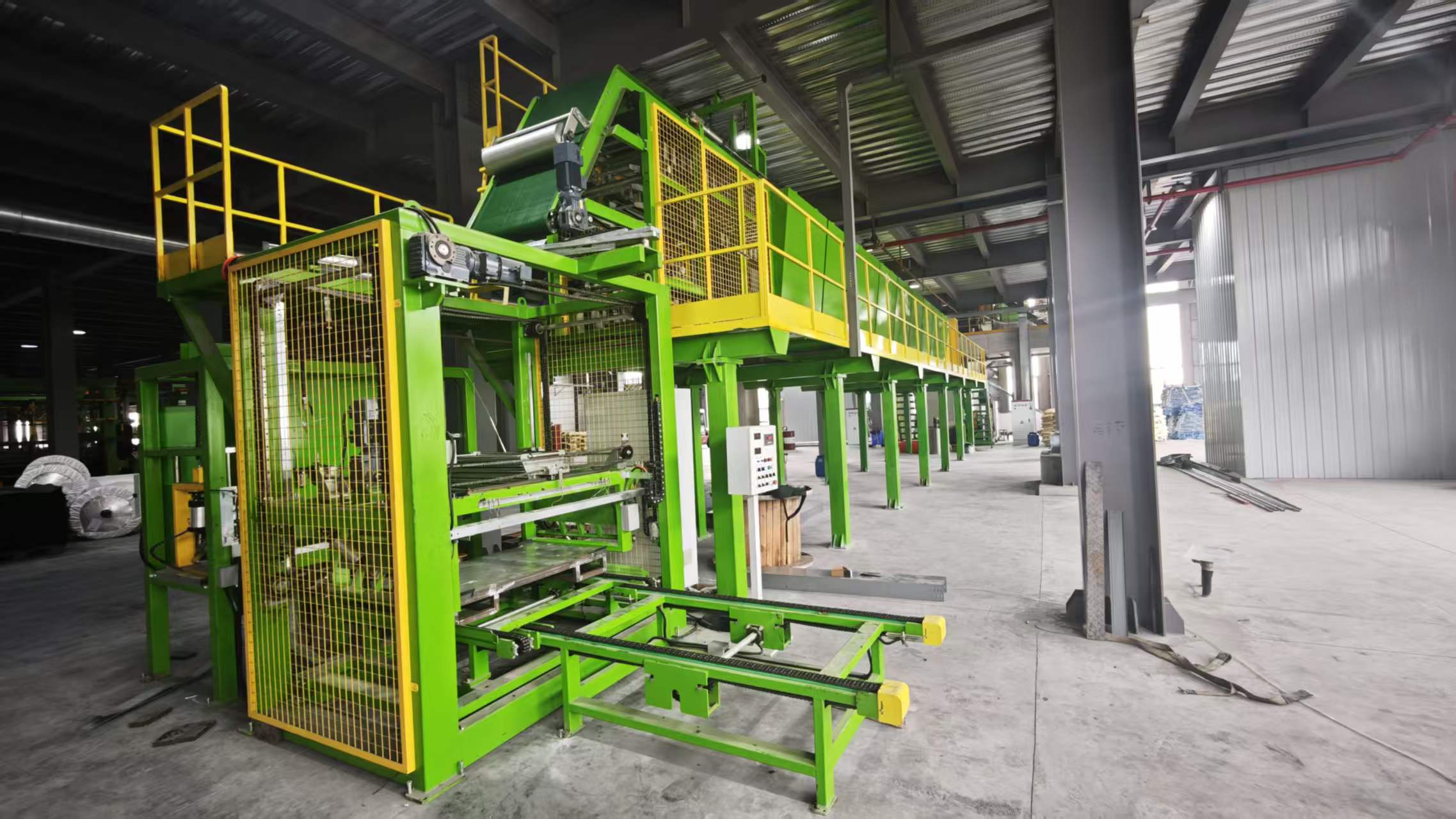
When you're evaluating cooling partners, don't let the conversation stop at standard specs. Custom requirements often surface late—unusual heat densities, mixed rack environments, or legacy infrastructure that can't be easily retrofitted. Ask for concrete examples of projects where they had to deviate from a catalog solution and what that process looked like from first sketch to final install.
The real test is how they handle the unknown. A capable provider will walk you through their design review, prototyping, and validation steps without making it sound like a burden. Pay attention to whether they ask about your specific constraints first or immediately push a pre-built unit. Their questions reveal whether customization is a core competency or just a sales checkbox.
Finally, get clarity on who owns the custom design if something goes wrong. Will they stand behind a bespoke setup with the same warranty and support terms as an off-the-shelf product? The answer tells you how much confidence they actually have in their engineering flexibility.
Probe Their Post-Installation Support Model
Post-installation support can make or break a deployment, so ask pointed questions about life after go-live. Request specifics: when a critical issue hits at 2 a.m., who picks up the phone? Is support in-house or handed off to a third party? Ask for sample incident timelines from recent clients, not just a glossy SLA document. Pay attention to how they talk about failures—candid vendors admit problems and explain fixes, while vague answers often hide a thin bench.
Dig into the model's structure. Do you get a named support engineer or a rotating ticket queue? Are patches and updates pushed proactively, or only after you report a symptom? Clarify what counts as a billable service call versus covered maintenance. If the system integrates with your other tools, find out who owns cross-vendor troubleshooting—nothing is worse than being bounced between providers while your team is down.
Finally, ask for references specifically tied to post-installation incidents. Contact one or two and ask direct questions: how long did it take to get a real person? Was the root cause fixed or just patched over? Would they renew the support contract? A vendor with a strong installation record but a weak follow-through pattern will cost you far more later than the initial implementation saved.
Visit a Running Installation Before You Commit
A demo environment only shows what the vendor wants you to see. Walking through a live installation—ideally one with real users and real data—exposes the gaps that polished sales scripts bury. You notice how search behaves after two years of records, how permissions actually work for a mid-level manager, and what happens when someone tries to undo a mistake at 4:50 on a Friday.
Ask to shadow a current customer, not just a reference call. Spend an hour watching someone do their actual job in the system. Pay attention to the small hesitations: the extra clicks, the workaround they have memorized, the field everyone ignores. Those details rarely appear in a feature matrix, but they will become your daily reality within a month of go-live.
If a vendor cannot arrange a live visit, treat that as a signal. Mature products usually have at least one customer willing to open their doors. The absence of that option often says more about long-term usability than any roadmap slide ever will.
Look Beyond the Base Price to Lifetime Costs
The sticker price rarely tells the whole story. A cheaper model might seem like a bargain until you factor in fuel consumption, insurance premiums, and maintenance schedules that hit your wallet harder over time. Compare the total five-year ownership figures, not just the upfront number, because depreciation and repair frequency often flip the equation in surprising ways.
Energy efficiency is another silent variable. Two appliances or vehicles can sit at the same price point, yet one may drain hundreds more each year in electricity or fuel. Check the energy labels, expected lifespan, and typical parts replacement costs before committing. Sometimes spending a bit more now prevents a slow leak of cash later.
Resale value deserves a closer look too. Some brands hold their worth remarkably well, while others plummet the moment you drive off the lot or unbox the product. Research historical resale trends and owner satisfaction scores to gauge whether that initial saving will evaporate when it's time to upgrade or sell.
Check How They Adapt to Your Factory's Existing Flow
A supplier who insists on overhauling your entire production line rarely understands what makes your operation tick. The real test is whether they study how materials move today, where bottlenecks already exist, and how your teams actually communicate. Instead of a one-size-fits-all layout, look for evidence that they map your current stations, note which tasks require manual judgment, and propose adjustments that slot into those routines. Notice whether their questions sound like genuine curiosity or like a sales script waiting for its cue.
Pay attention to how they handle your legacy equipment and irregular order patterns. Do they suggest throwing out machines that still hold their tolerance, or do they find ways to feed them data without forcing a network upgrade? A thoughtful partner might recommend a simple sensor here or a handheld scanner there, leaving your core process untouched. Ask them what they would keep and why — their answer tells you if they respect the flow you have already refined.
Finally, watch for flexibility in their rollout plan. If they talk about training in phases, running parallel tests during off shifts, or pausing installation to avoid your peak season, that signals adaptation over disruption. Contractors who only discuss cutover weekends and full shutdowns often treat your factory like a blank canvas. The right team treats it like a living system with its own rhythm.
FAQ
Focus on proven experience with similar rubber or polymer processing lines, the ability to handle your required width and throughput, and references from plants running comparable compounds. Check if the vendor understands how the cooling line integrates with your upstream mill or extruder and downstream batch-off unit.
Very important because space constraints and material behavior vary a lot. A good vendor adapts frame length, cooling method (air or water), dip tank design, and batch-off unit to your compound's stickiness and production rate instead of forcing a standard machine.
Look at cooling capacity per hour, web tension control, anti-stick application system, safety interlocks, and a PLC/HMI that records batch data. Also ask about the type of cooling fans or chillers and whether the line can handle your thickest sheet without stretching or deforming.
Ask for service response time, spare parts availability in your region, and whether they offer remote diagnostics. Visit an existing customer site to see how the line performs after several years and talk to maintenance staff about real downtime issues.
Yes, because cooling lines run continuously and energy costs add up quickly. Compare motor ratings, fan efficiency, and heat recovery options. Some vendors offer variable speed drives that reduce power during idle periods, which can make a noticeable difference over a year.
The line must handle your specific compound without sticking or deforming. Test your material on a pilot line or request a trial run. Check construction materials like stainless steel for wet sections and ask about release agents or anti-tack systems that match your formulation.
Don't simply choose the lowest quote. Calculate energy, maintenance, downtime, and expected service life. A slightly higher upfront cost can pay back through fewer failures, less scrap, and lower labor for cleaning and adjustments over the line's lifetime.
Overlooking layout constraints, not involving maintenance staff early, focusing only on initial speed, and ignoring the vendor's financial stability or upgrade path. Also failing to define clear acceptance criteria before installation leads to disputes later.
Conclusion
Picking a batch off cooling line vendor isn't a box-ticking exercise; it's about finding someone who has already solved problems similar to yours. Start by pulling apart their history with lines that match your output rate, rubber compound, and batch size—ask for references where the same cooling challenges existed. If they can't name two or three plants running comparable lines without hesitation, keep looking. Custom cooling needs are where vendors separate themselves. A manufacturer might need lower discharge temperatures for tack-sensitive compounds or a gentler handling section to avoid deformation. The vendor should walk you through exactly how their airflow, belt speed, and stacker design would be adjusted, not just promise "we can do that." Before any commitment, visit a working installation. Watch the line in real production, not a demo. Talk to the operators, check for bottlenecks, and see whether the machine still looks like it belongs in the plant after a year of daily use.
Post-installation support tells you more than the sales pitch ever will. Ask how they handle the first month after commissioning—do they leave a technician on site, or is it a phone number and a prayer? Find out response times for critical breakdowns and whether spare parts are stocked locally or shipped from another continent. Then push past the base price. Energy draw, filter replacements, belt wear, and cooling water consumption add up quickly; a cheap line can become the most expensive one on your floor within two years. Also examine how the vendor adapts to your factory's existing flow. If the line forces you to reroute conveyors, move mixing stations, or create a new bottleneck at the batch-off area, the integration cost will erase any upfront savings. A vendor worth signing with will redesign the discharge height, operator walkways, and stacking orientation to fit what you already have—not insist you rebuild the plant around their equipment.
Contact Us
Contact Person: Lareina
Email: [email protected]
Tel/WhatsApp: +86 17561696737
Website: https://www.auguauto.com/